Atacama & Bolivia Photography Workshop
Price range: £1,800.00 through £6,800.00
23.03.28 – 04.04.28: 2 places left: The Atacama astrophotography Workshop focuses on landscape astrophotography alongside afternoon and golden hour, sunset and blue hour landscape photography (plus wildlife).
Description
Photography Workshop Chilean Atacama & Bolivia
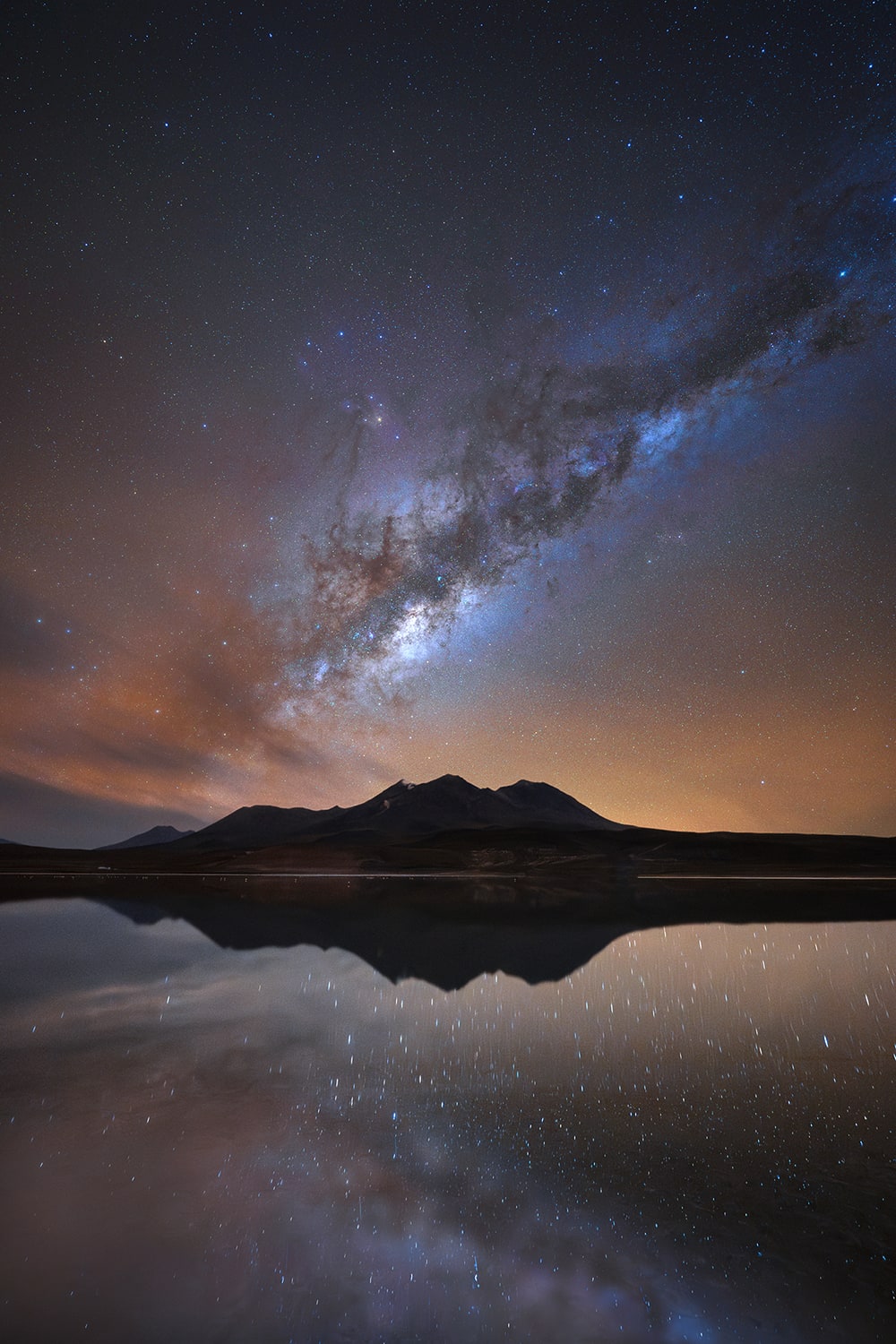
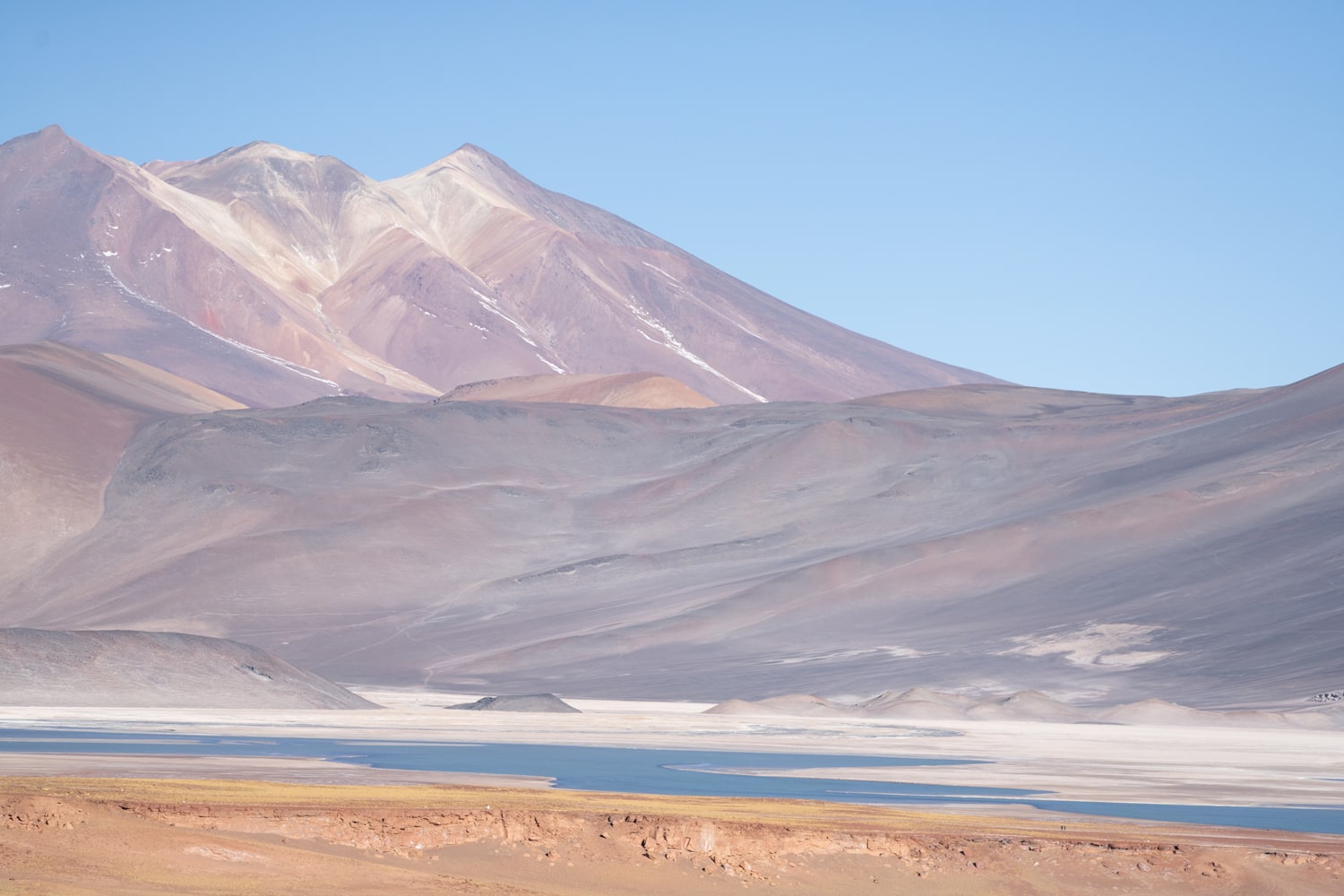
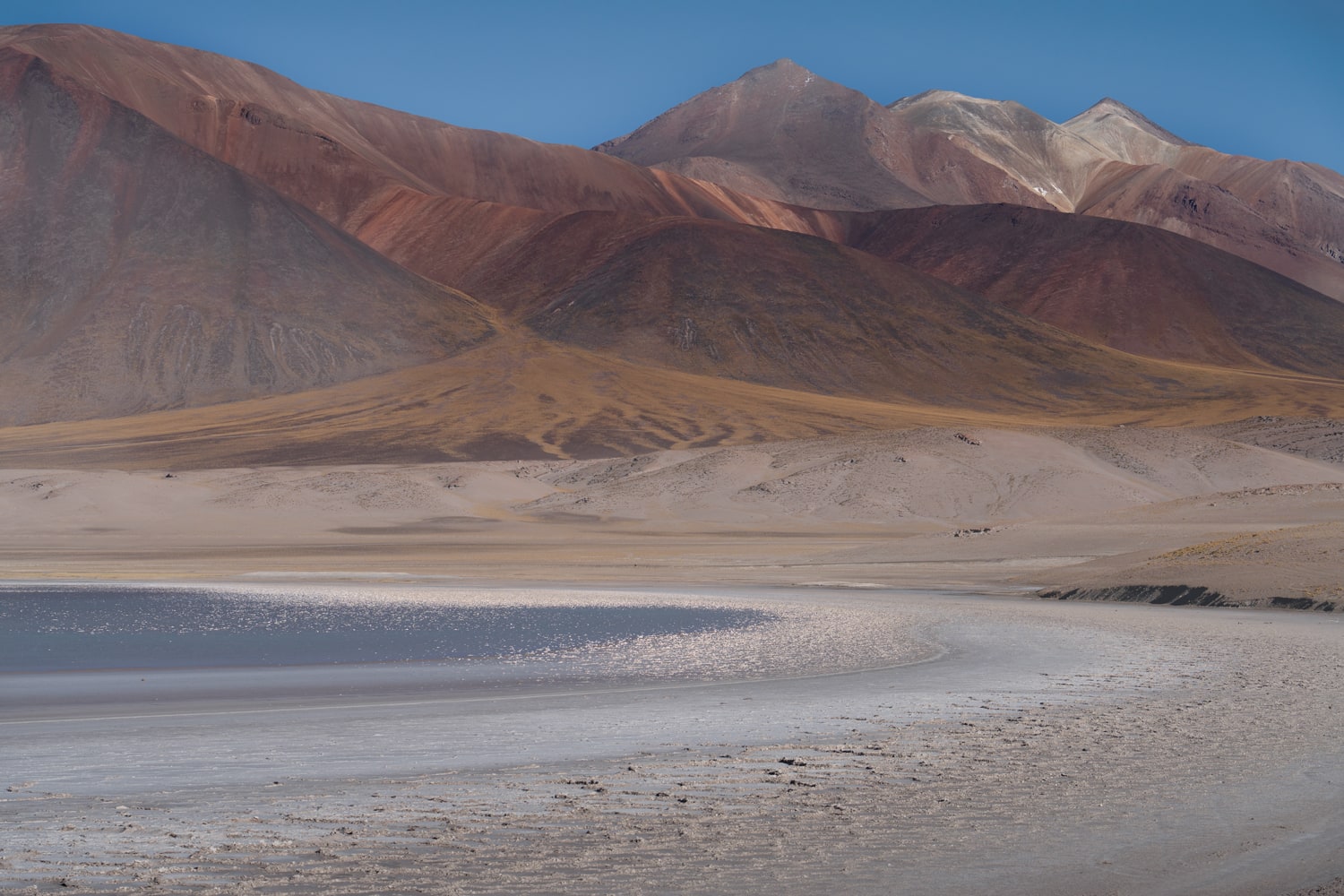
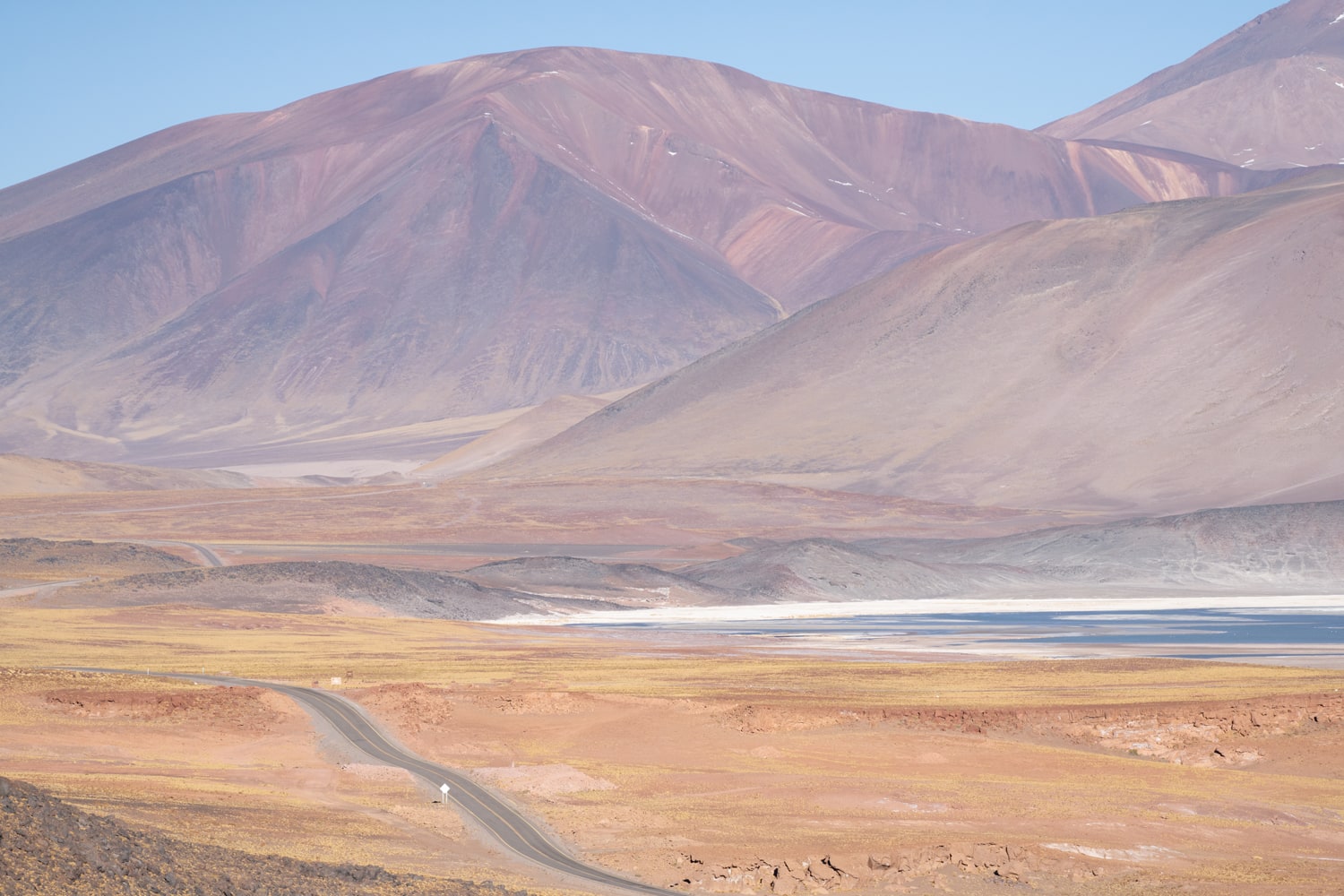
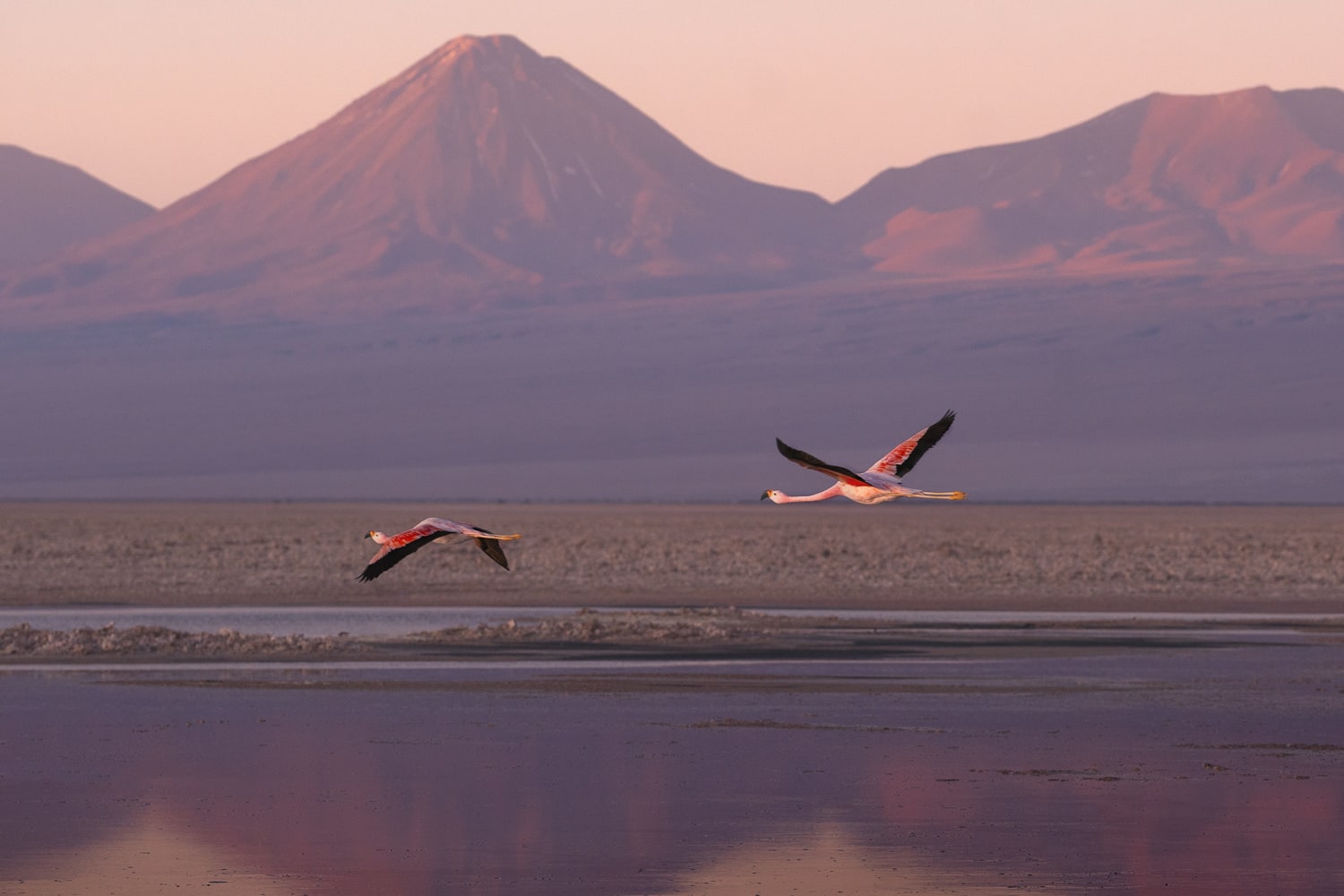
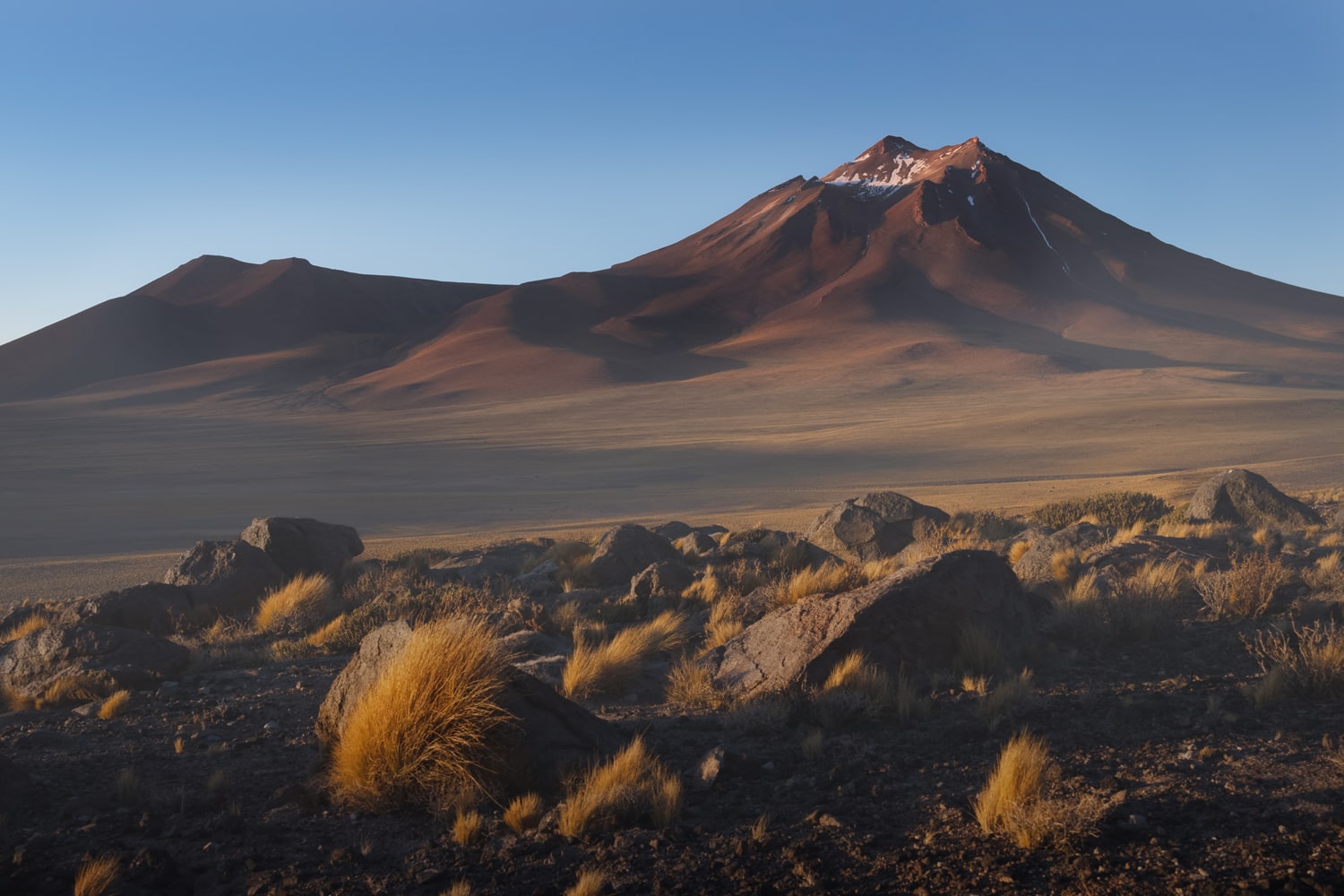
Martian like volcanic ridges, dreamlike pastel landscape, flamingos, high altitude lagoons, and considered one of the best places on planet earth for astronomy. Photograph the driest place on Earth by day, with a stronger emphasis on night, with professional landscape and astrophotography tuition throughout this photo tour.
Workshop places are available
2028 Atacama Desert & Bolivia Photo Tour Summary
The Atacama & Bolivia Workshop focuses on landscape astrophotography, landscape photography and wildlife.
Location: The Atacama Desert Chile / The Bolivian Altiplano
Price: Full price £6,400 / Deposit £1,800
Date: 23rd March 2028 – 4th April 2028
Duration: 12 nights / 13 days
Maximum Group Size: 12
Tutors: Tutors: Ollie Taylor & Chris Frost
Assistant: Elly Flower
Accommodation: Shared occupancy x 2.
Information: Single room supplement = £1200. The supplement guarantees a single-occupancy room for the 6 x nights in the Atacama and 3 x nights in the salt hotel on the Salar de Uyuni. 3 Nights crossing the Altiplano potentially remain shared, though if rooms are available, these will also be single occupancy.
BOOK YOUR PLACE
If there are spaces left, you can book your place on this photography tour below.
Any questions? Please click here to contact Ollie Taylor.
What’s Included?
Airport transfers from a and to Calama
All transportation to locations in 4×4’s & high wheelbase vans
Local guides and drivers
Fieldwork tuition from Ollie
All accommodation
All national park fees and permits
Half board in Chile
Full Board in Bolivia with the exception of 1/2 lunches
What’s Excluded?
Flights
Travel insurance
Equipment insurance
Alcoholic drinks
Useful Information
Exertion Level
Light fitness level required, though naturally, it will be cold at night, with uneven surfaces and high altitude on occasion.
Landsacpe Photography
This workshop includes afternoon light, evening golden hour, sunset and blue hour.
Nightscape Photography
This workshop includes innovative night sky photography planning, shoots and tuition from advanced beginners to intermediate level.
Expertise
Suitable for all levels except complete beginners, you will need a strong understanding of manual mode, apertures, ISO, and shutter speeds.
Chile & Bolivia Photography Workshop
Join the Chile & Bolivia Landscape & Astrophotography Workshop Expedition, a unique experience designed for photographers of all levels, with a focus on beginner to intermediate techniques. Set in the dramatic landscapes of the Atacama Desert and Bolivia, this workshop offers expert guidance to help you grow your skills in one of the most photogenic regions on Earth.
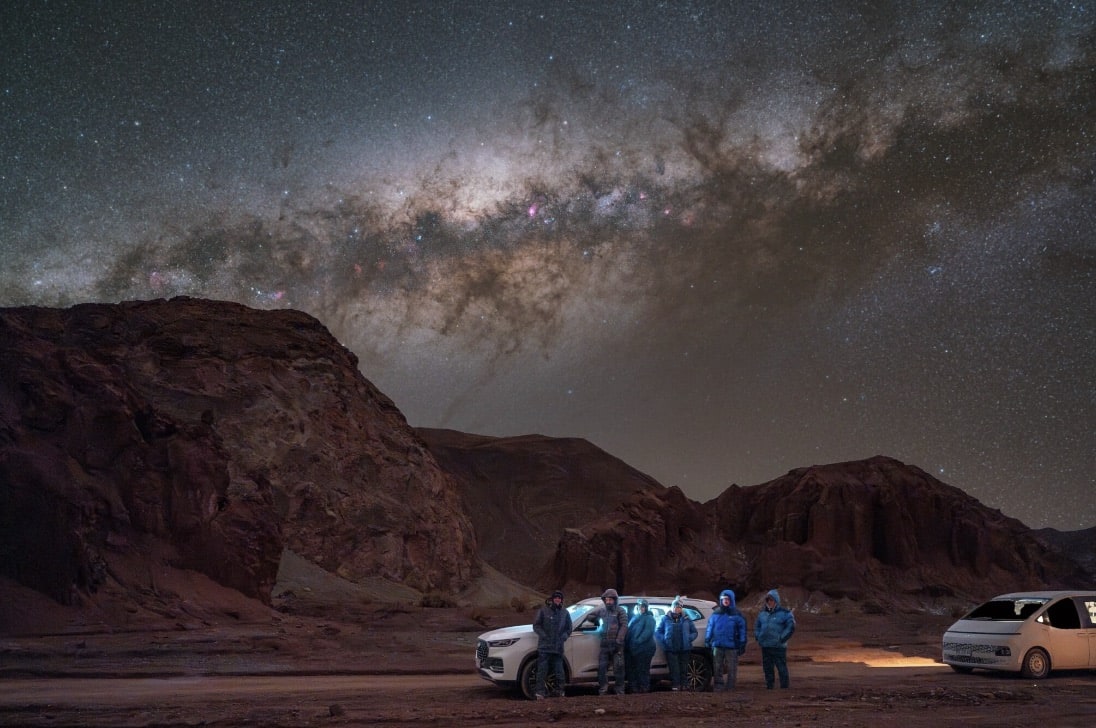
Each day includes hands-on sessions, from photographing wildlife in the afternoon to capturing the magic of golden hour, blue hour, and the night sky. With crystal-clear skies and stunning scenery, you’ll have countless opportunities to practice landscape and astrophotography in unforgettable settings.

Chile & Bolivia Workshop Structure
Fieldwork times = Times will alternate daily to suit location, travel, and subject
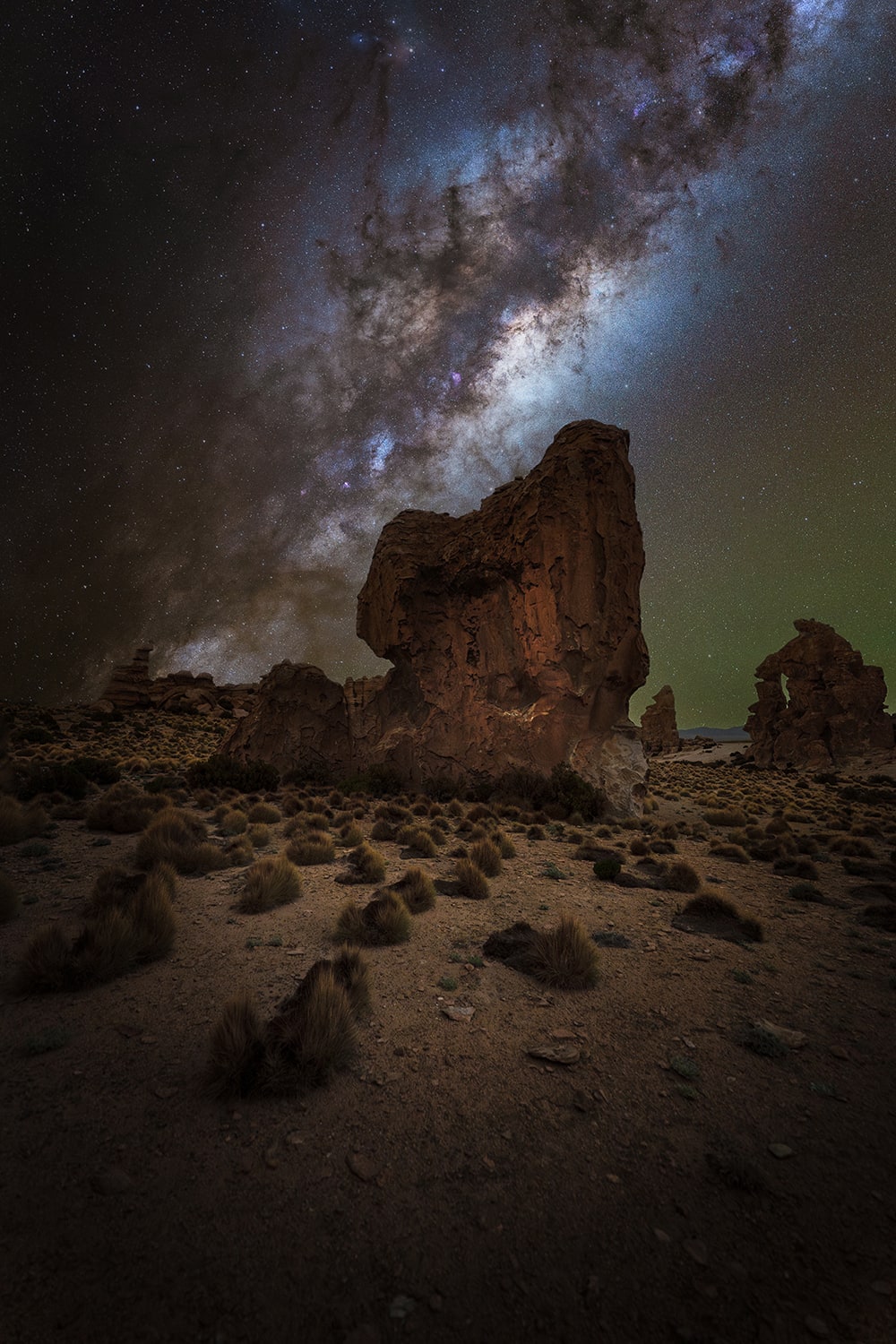
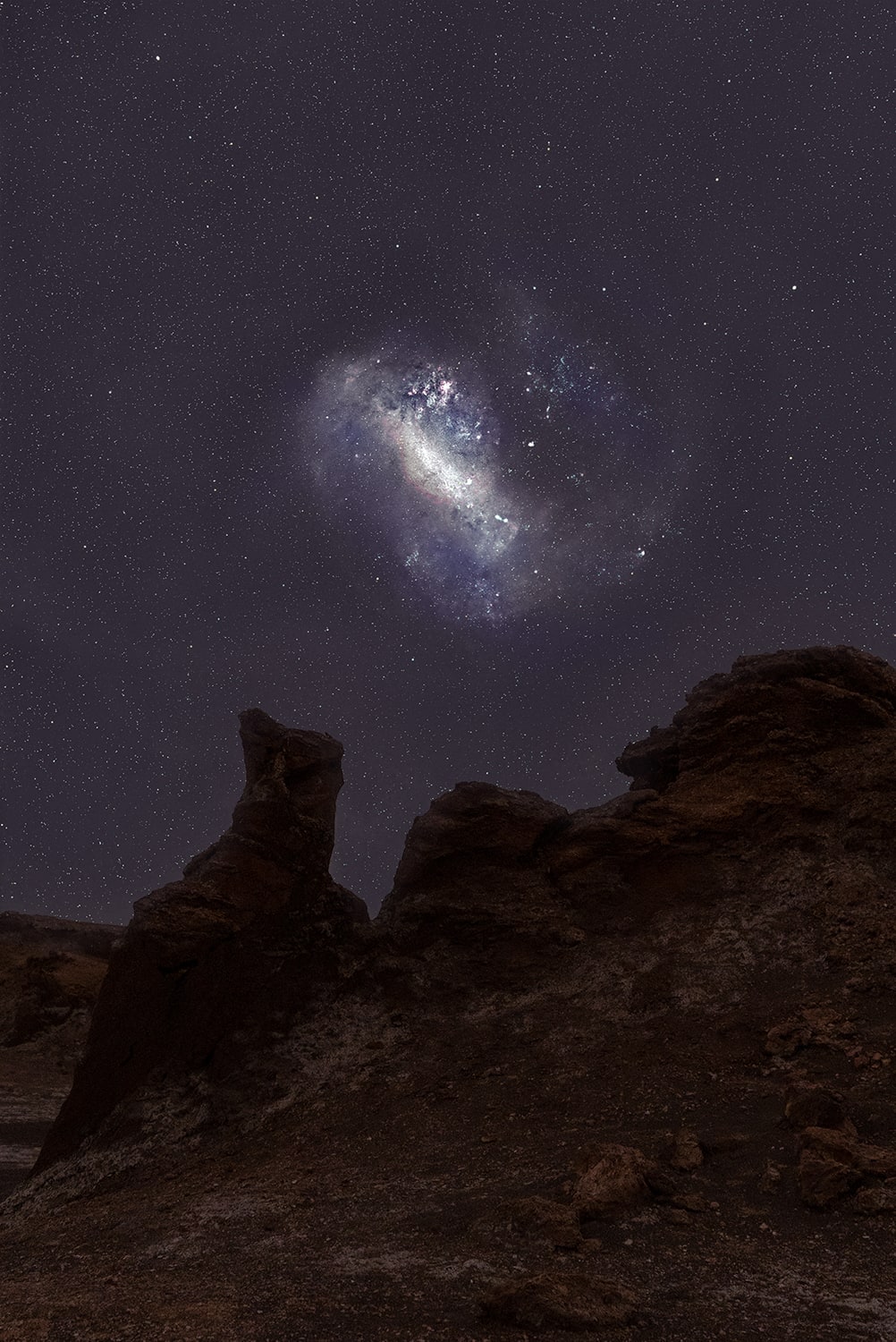
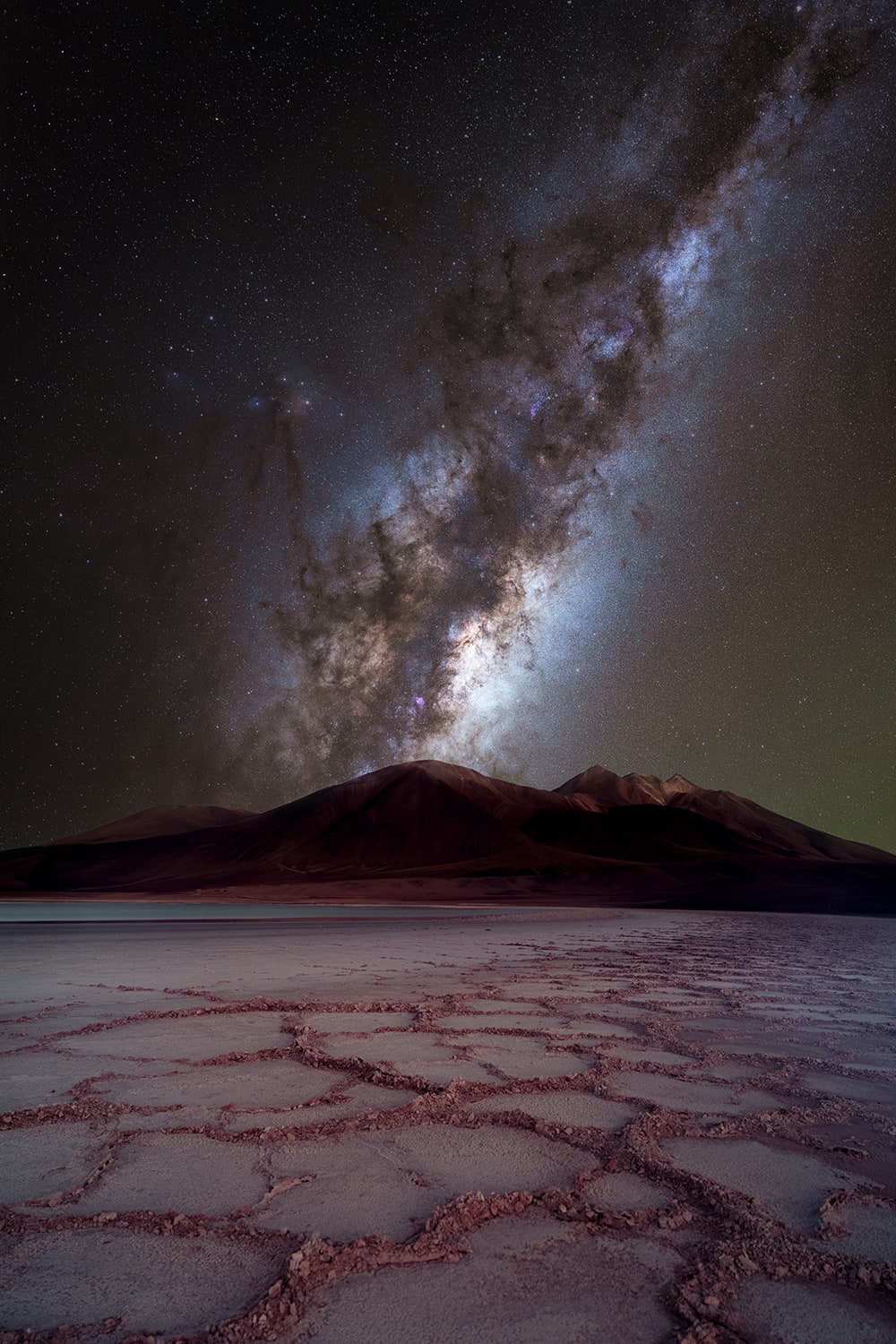
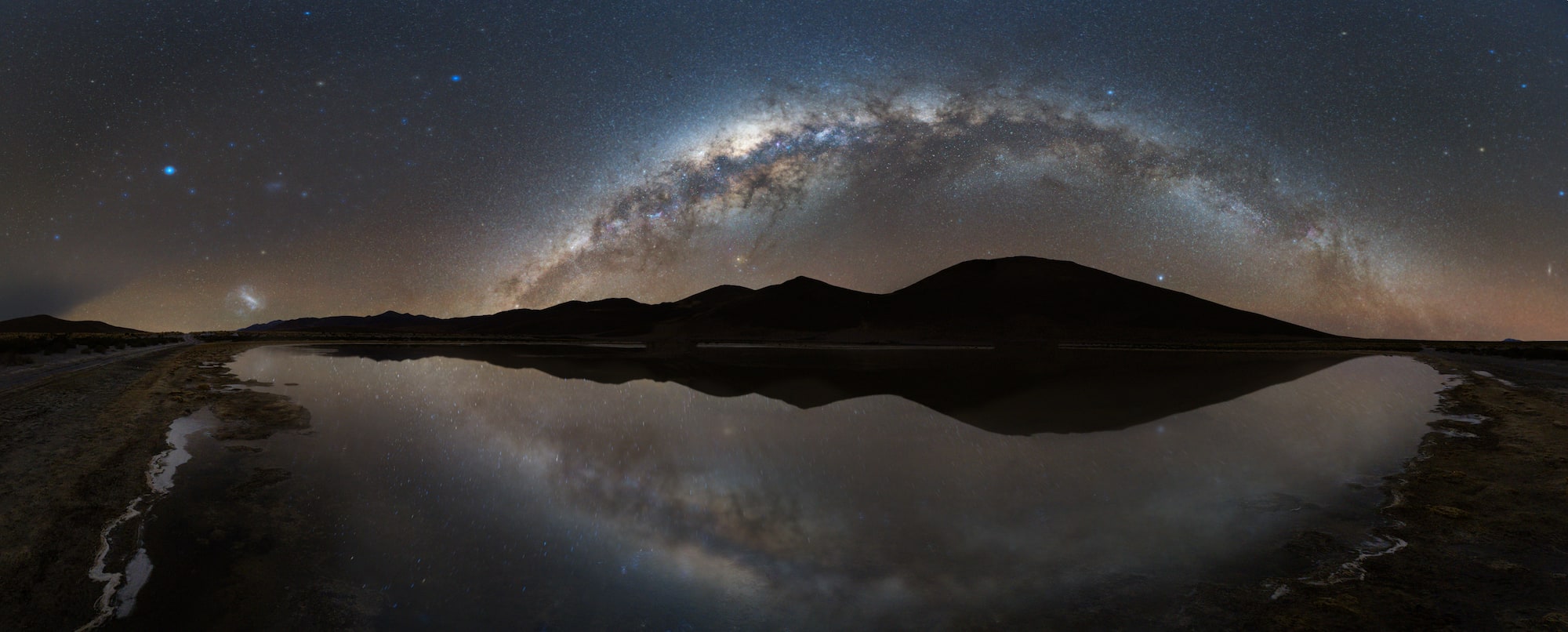
The workshop will cover beginner to advanced methods of astrophotography, including using a tracker and longer focal lengths, targeting multiple-night sky subjects such as planets, nebulae, Rho Ophiuchi and Magellanic Clouds, and naturally the Milky Way whilst implementing a landscape element to our astro images. Landscape photography tuition and help is also available where required.
Due to altitude and acclimatisation, the itinerary is not indicative as some members may take longer to become acclimatised to the altitude, also wind conditions and temperatures on the high roads will dictate days of travel to certain locations. However, it will follow a similar structure to the following itinerary.

Chile
23.03.28: Day 1 – Arrive Calama
This evening we will settle in, have a group meal, then head out for an ice breaker Milky Way session.
24.03.28: Day 2 – Acclimatisation & Local Area
We begin acclimatisation San Pedro de Atacama is situated at 2400m above sea level, 2400/2800m.
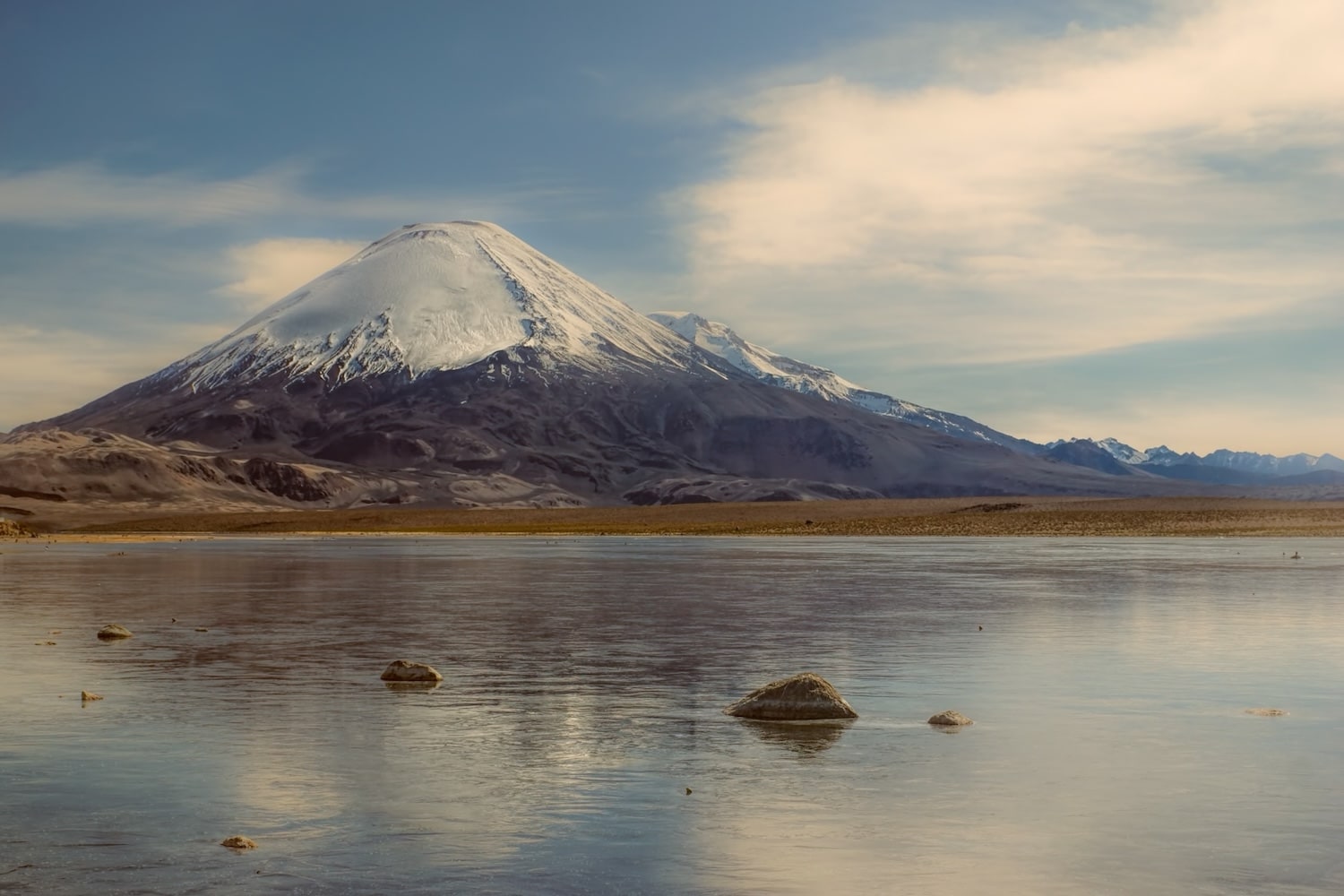
We spend the afternoon driving to the most populated flamingo lagoon, shooting until sunset, before undertaking our first astrophotography session into the night using the iconic Licancabur volcano.
25.03.28: Day 3 – Lagunas, Canyons and Cacti
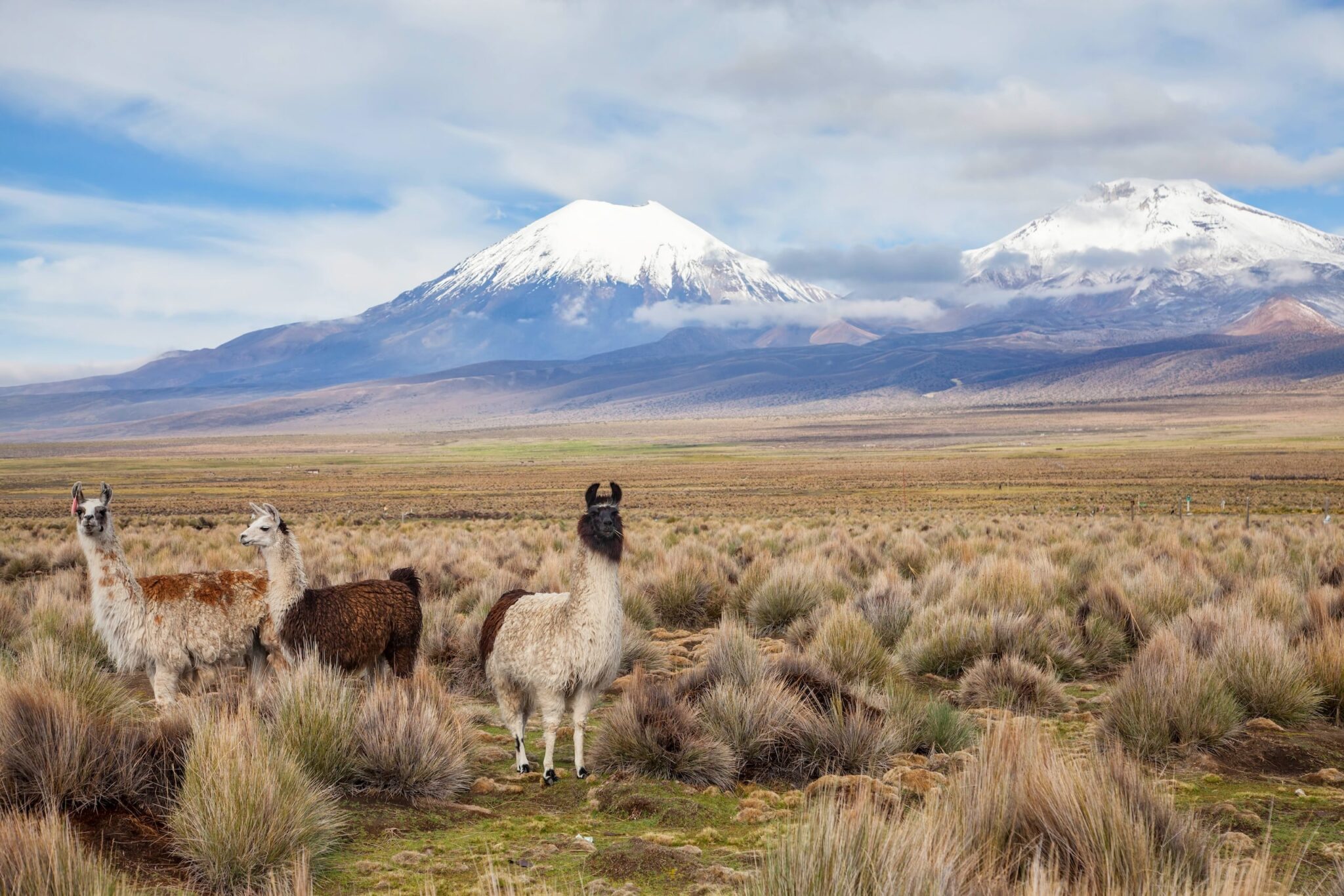
We head to a canyon full of cacti, which follows a small stream, and a small traditional church. We then head to a beautiful laguna situated at around 4000m for landscapes bathed in incredible desert light, more flamingos, llamas, and vicunas. En route back, we revisit several of the locations for Milky Way photography.
26.03.28: Day 4 – High Altiplanic Lagoon (Argentina border)
Today we hit the high road towards Argentina, the drive takes several hours with several amazing stops, including at Piedras Rojas (Red Stones), before we undertake a high-altitude astrophotography session. Due to the extremely remote location and thin atmosphere, the high road locations offer some of the best astrophotography conditions on the planet.
Bolivia
27.03.28: Day 5 – Bolivia
Our guides will collect us from the Bolivian border 40/50 minutes away from San Pedro de Atacama taking us across the border, before visiting Laguna Verde at 4300 metres, and then crossing a high pass over 5300m, driving straight across the Sud Lupez region of the Bolvian Altiplano to the Salar de Uyuni. We check in at our salt hotel before heading out into the flats for sunset and nightsapes.
28.03.28: Day 6 – Bolivia Salar de Uyuni
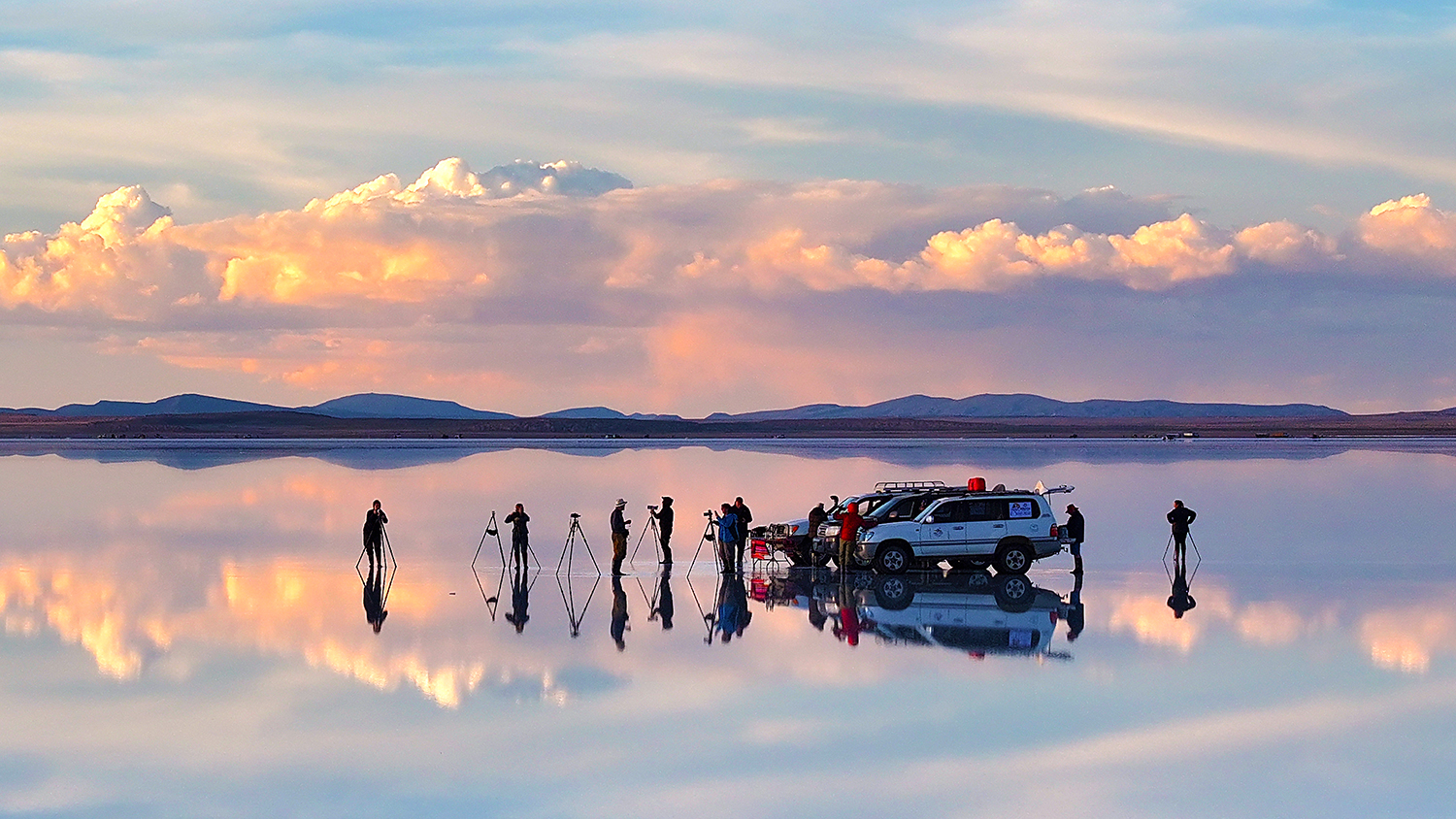
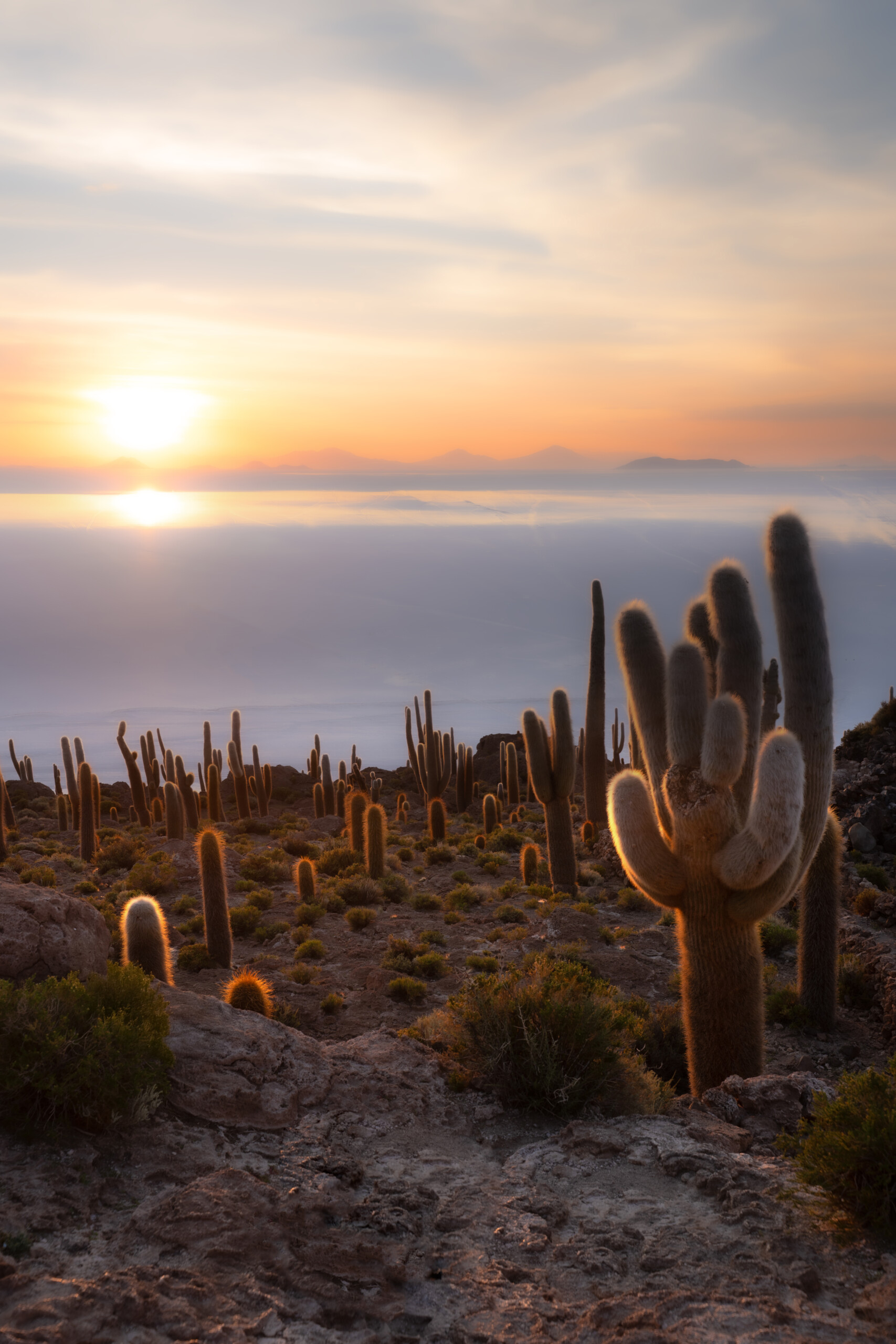
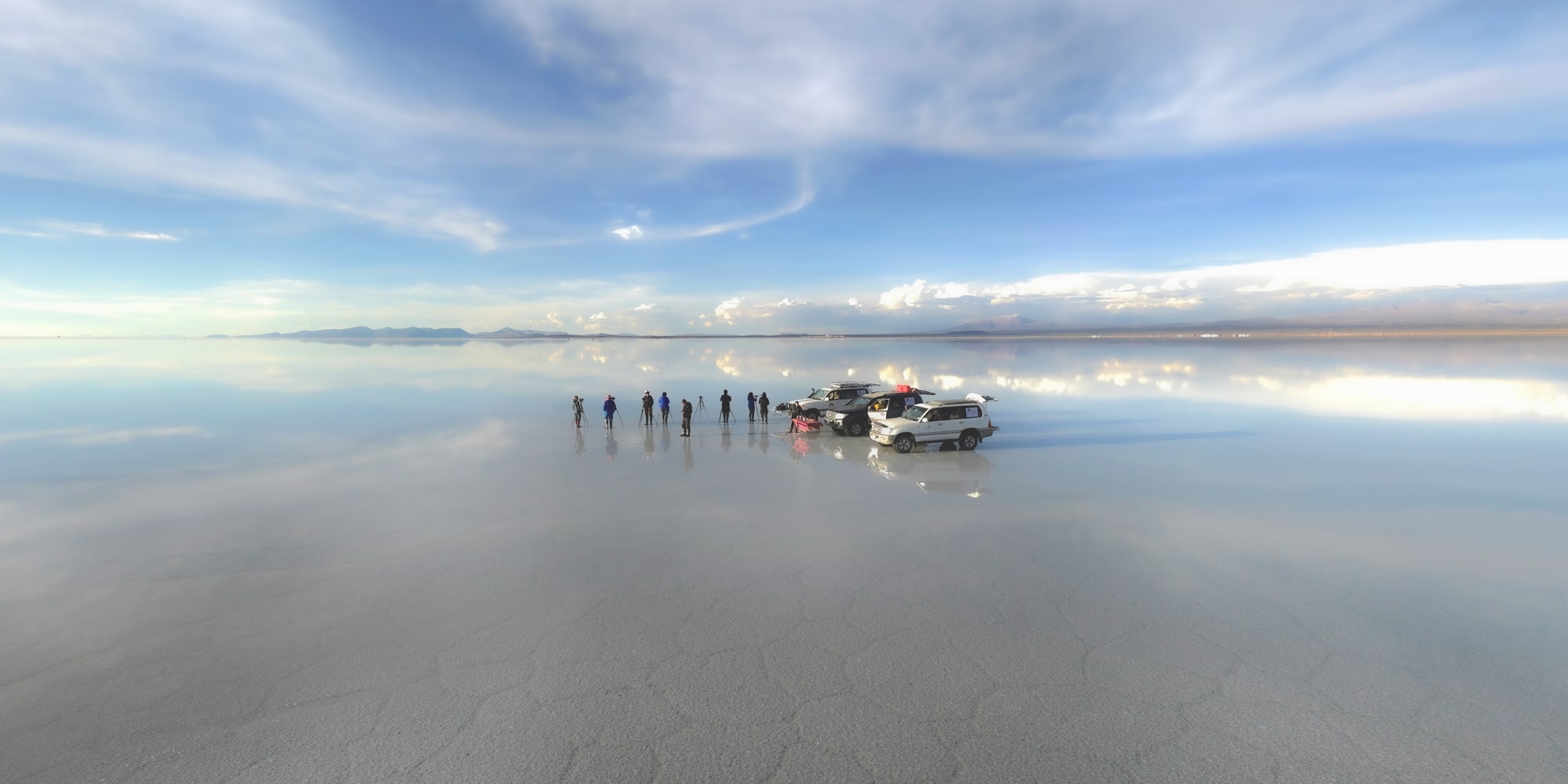
Today we take some much-needed rest before heading out in the afternoon to explore the salt flats. Our guides will track down the best areas of water with the perfect depth, dry areas for hexigons if the salar is drying out, and possibly, Isla Incahuasi (cactus island) if water levels allow, picking our locations for sunset and Milky Way photography.
29.03.28: Day 7 – Bolivia Salar de Uyuni
Another day of exploring the Salar de Uyuni alongside visiting the Train Cemetery (Cementerio de Trenes) before our final astrophotography session in the region.
30.04.28: Day 8 – Bolivian Highlands
We now drive back to the high Altiplano in the Sud Lipez, visiting the incredible Valle de las Rocas alongside canyons and desert springs. The valley of the rocks stretches over a vast area and is a geographical feast for the eyes with incredible compositions for both landscape and astrophotography.
31.03.28: Day 9 – Bolivian Highlands
Another day exploring the incredible landscapes and rock formations of the high Altiplano, a vast region with far more accessible landscapes than the most visited region of the Atacama Desert. We spend more time in this region than many visitors, as the landscapes offer so many photographic opportunities.
01.04.28: Day 10 – Bolivian Altiplano
Tonight will be our last night sleeping at high altitude by a remote altiplanic lagoon full of flamingos. At 4200m altitude, void of light pollution, this area offers unrivalled astronomy conditions.
Chile
02.04.28: Day 11 – San Pedro de Atacama
Our guides will drive us back through the Bolivian Sud Lipez, visiting the Salvador Dalí Desert and Laguna Colorada before stopping for lunch along the way. After which we visit Laguna Verde before crossing the border to Chile.
03.04.28: Day 12 – Valley de la Luna
A visit to the iconic protected valley, Valley de la Luna (Valley of the Moon). Sunset from one of the best valleys, only accessible after paying the valley entrance fee.
04.04.28: Day 13 – Transfer to Calama
Transfer to Calama with flexible transfers to suit flight times. Note: Transfers take roughly 2/2:30 hours from San Pedro to Calama.


Fieldwork Equipment
Full frame, crop sensor, and micro four-thirds can be used, alongside larger format cameras. This workshop is aimed at photographers that have some knowledge of night photography and are at an advanced beginner level with their astrophotography work, it is recommended the camera body has an absolute minimum ISO of 12800 for this workshop.
If you have any questions about fieldwork equipment for this workshop please click here to get in touch.
Camera body/s
Wide to long focal lengths with the fastest apertures possible
Tripod
Star tracker
Remote timer or long exposure bulb control built-in on the timer
Multiple spare camera batteries
Head torch with a red mode (this is not for night vision, it makes it easier to work as a group, and stops us blinding one another)
Warm clothes and layers, windproofs if possible as days will be cold to mild with warm sun, cold nights
Post-Production & Planning Necessities
The planning and post-production are absolutely critical elements of nightscape photography, hence they have been included in our group workshops since 2014. However, the Atacama Desert Workshop involves driving vast distances for the best locations, so to explore in the daytime, we sacrifice post-production sessions. Instead, Ollie provides his huge beginner and intermediate downloadable astrophotography courses. Also provided are tutorials on pulling nebula from a RAW file with RGB editing, Rho Ophiuchus and Astro modified camera colour balance.
Beginners Tuition Pack (also covers global planning)
Intermediate Tuition Pack
RGB Editing
LRGB Editing
Recommended apps:
Photopills (paid one-time subscription)
Stellarium (free on desktop), free mobile version, the full mobile version now costs a fee
Starwalk 2, Sky Guide or similar “what’s in the sky mobile/tablet application”


Frequently Asked Questions
Some useful information about our Atacama & Bolivia workshops.
Why choose our Atacama & Bolivia Photo Workshop?
First due to take place in 2020 but cancelled, naturally, the Atacama Astrophotography workshop is currently at the top of the pile with regards to Ollie’s dedicated astrophotography workshops, boasting the longest number of nights dedicated to astrophotography and some of the best astronomic conditions on the planet. Read more about the tutor and workshops here.
What will I learn on the Atacama & Bolivia Photo Tour?
The Atacama is a dedicated astrophotography workshop, though we also photograph the serene landscapes en route to location and at sunset. Ideally you will have at least some knowledge of basic nightscape photography, and depending on where you are with your astrophotography, will depend on what is taught from stacking, tracking, panoramas, deeper sky objects, astro modified camera editing etc.
Do I needa a visa for Chile?
Most European countries do not need a visa for Chile, neither do people from the US; New Zealand and Canadians only require a tourist card. Australians, Chinese, and many other countries still require visas for Chile, so please check your governments website for further info.
What clothing should I bring?
The days are hot and dry in San Pedro, and the night cold due to the altitude, the higher up we venture, the colder the climate, and more spectacular the scenery and night sky.
Days can range from 20°-26° in the sun, with nights dropping to below zero on the high passes and there can be wind chill.
Some light clothing is required for the daytime, and winter clothing is needed for the astrophotography work.
- Comfortable light hiking pants
- Windproof heavier duty hiking pants
- Windproof overlayer/coat (thermal if possible)
- Base layers
- Multiple thermal fleeces or underlayers that can be layered over one another
- Thermal socks (feet always get cold first undertaking night photography)
- Hiking boots or trainers
- Hat/gloves/snood/scarf
- Sunscreen
- SPF lip balm and lip repair
Nice to haves!
- Hand warmers (throw away or electronic)
- Feet warmers/battery socks
- Lightweight neck scarf/snood (dust protection)
How fit do I need to be?
There are no long hikes, though walking to the edge of lagunas at altitude with equipment can be fatiguing. Some of the days are long with several extremely late-night finishes to get to, work on landscape and astrophotography images, then return to our accommodation. Ollie will speak with the group via email regarding altitude and climate, sign up to the newsletter for further information or contact Ollie.
What are the meal arrangements on the Atacama & Bolivia Photo Workshop?
The Atacama is self-catering, and we stock up in a more well-stocked supermarket in Calama en route from the airport. We may have occasional meals out in San Pedro.
How much money do I need for the Atacama & Bolivia trip?
All supermarkets and restaurants in San Pedro take debit/credit card, a small amount of Chilean Pesos is recommended for park entrance fees. Approx: 150 British Pounds or Euros, 180/200 American Dollars, 300 Australian or Canadian Dollars changed to Pesos. Those travelling to Bolivia, around 500 BOB is needed for park entrance fees and snacks etc.
Accommodation
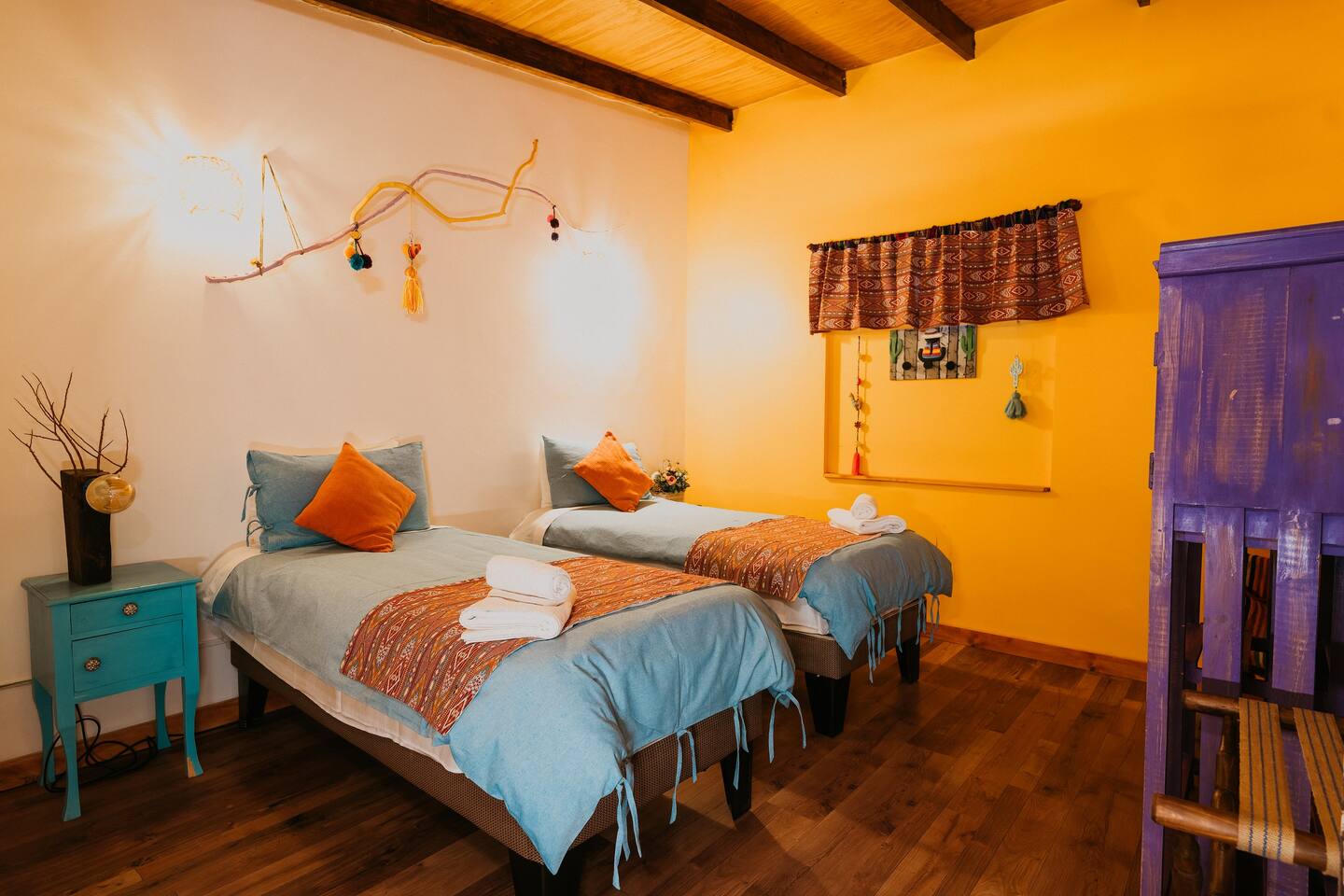
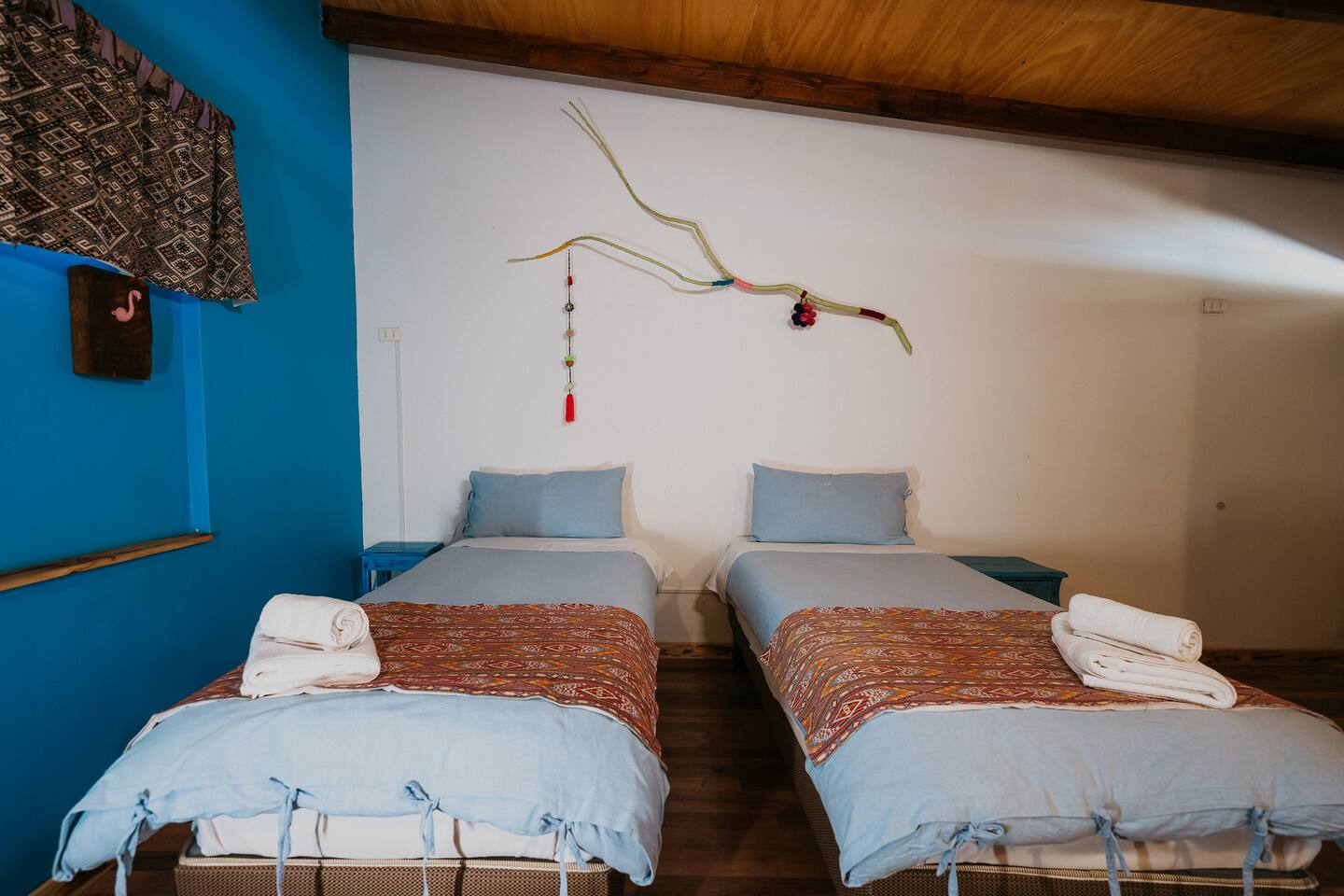
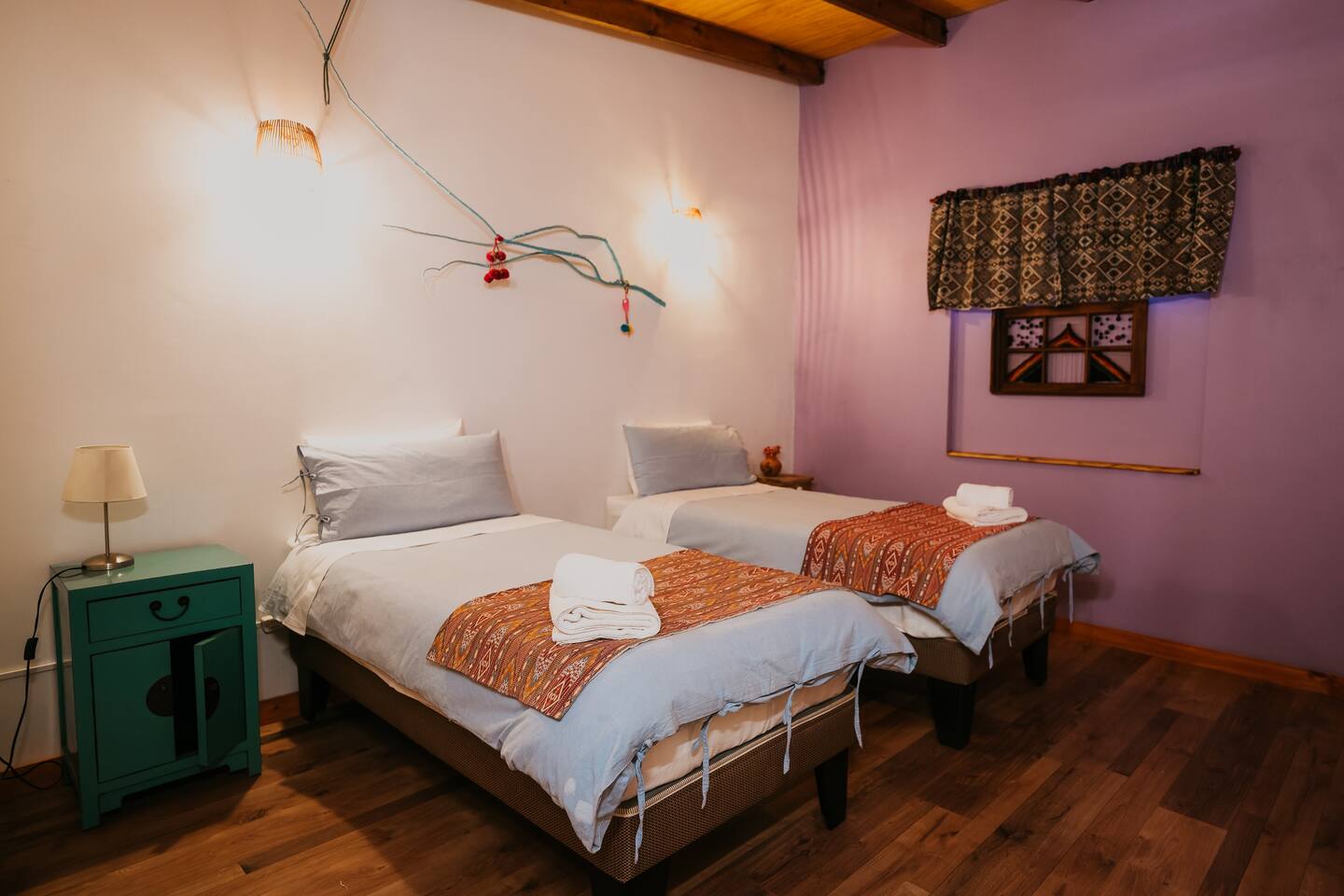
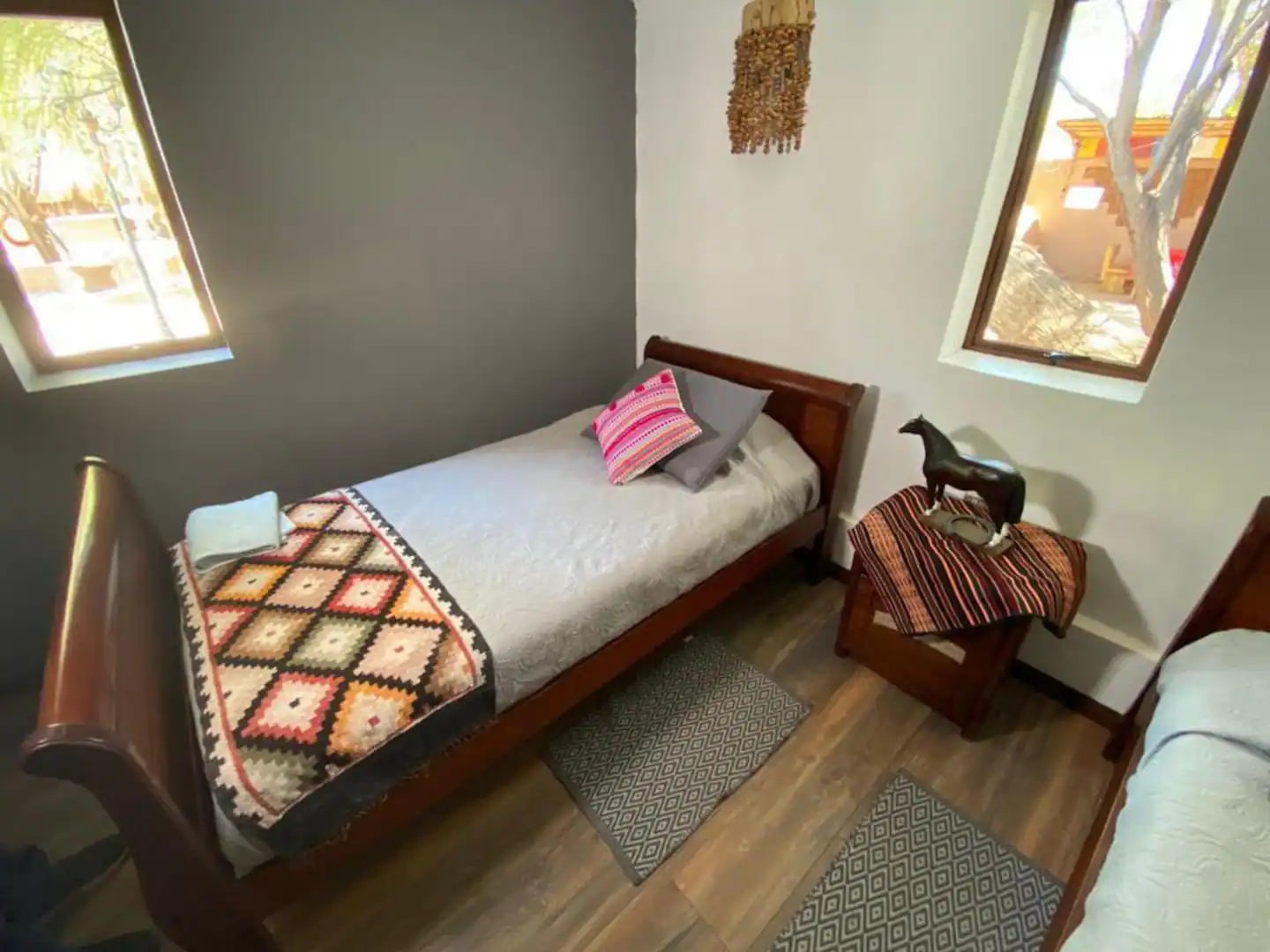
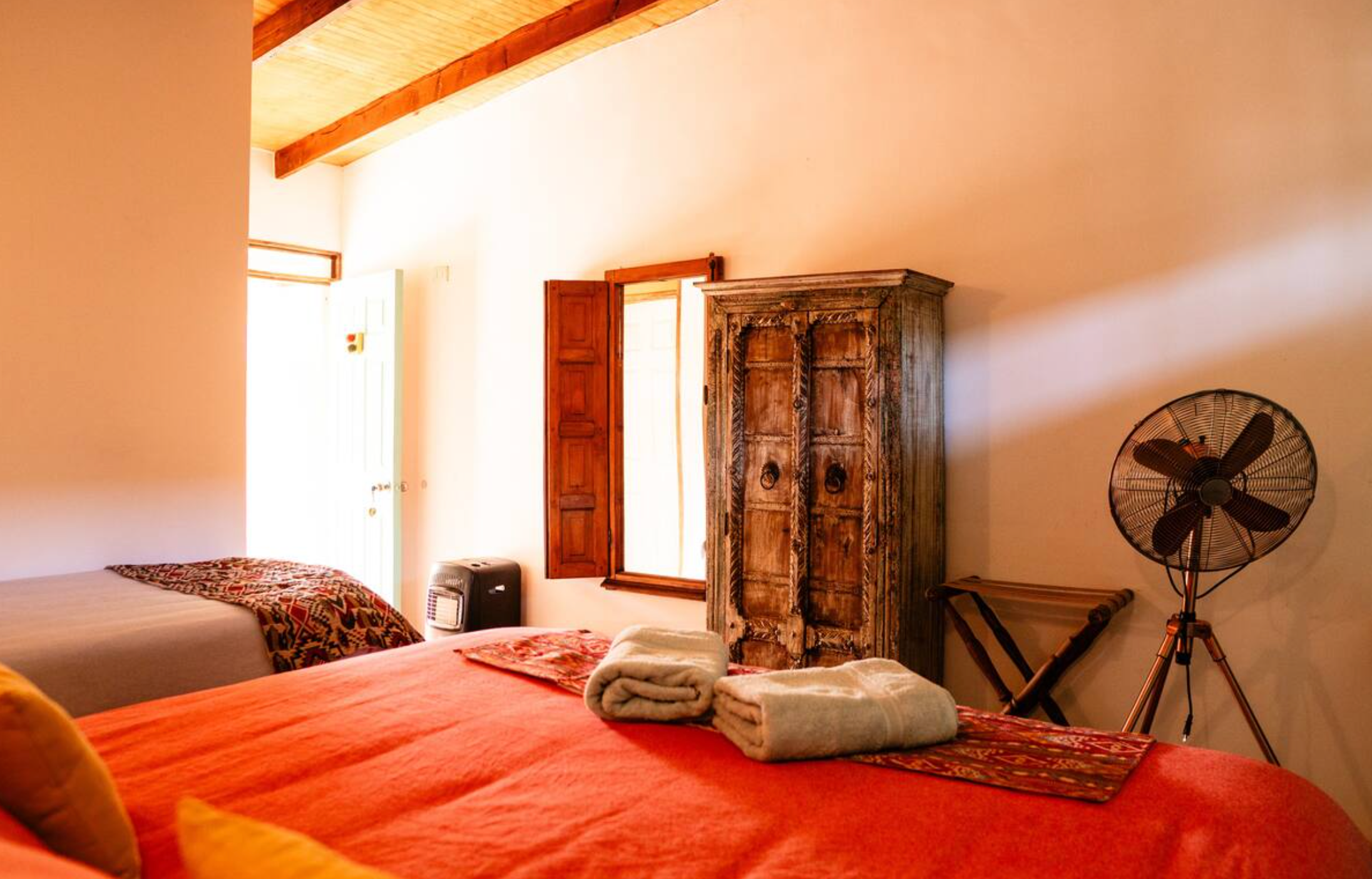
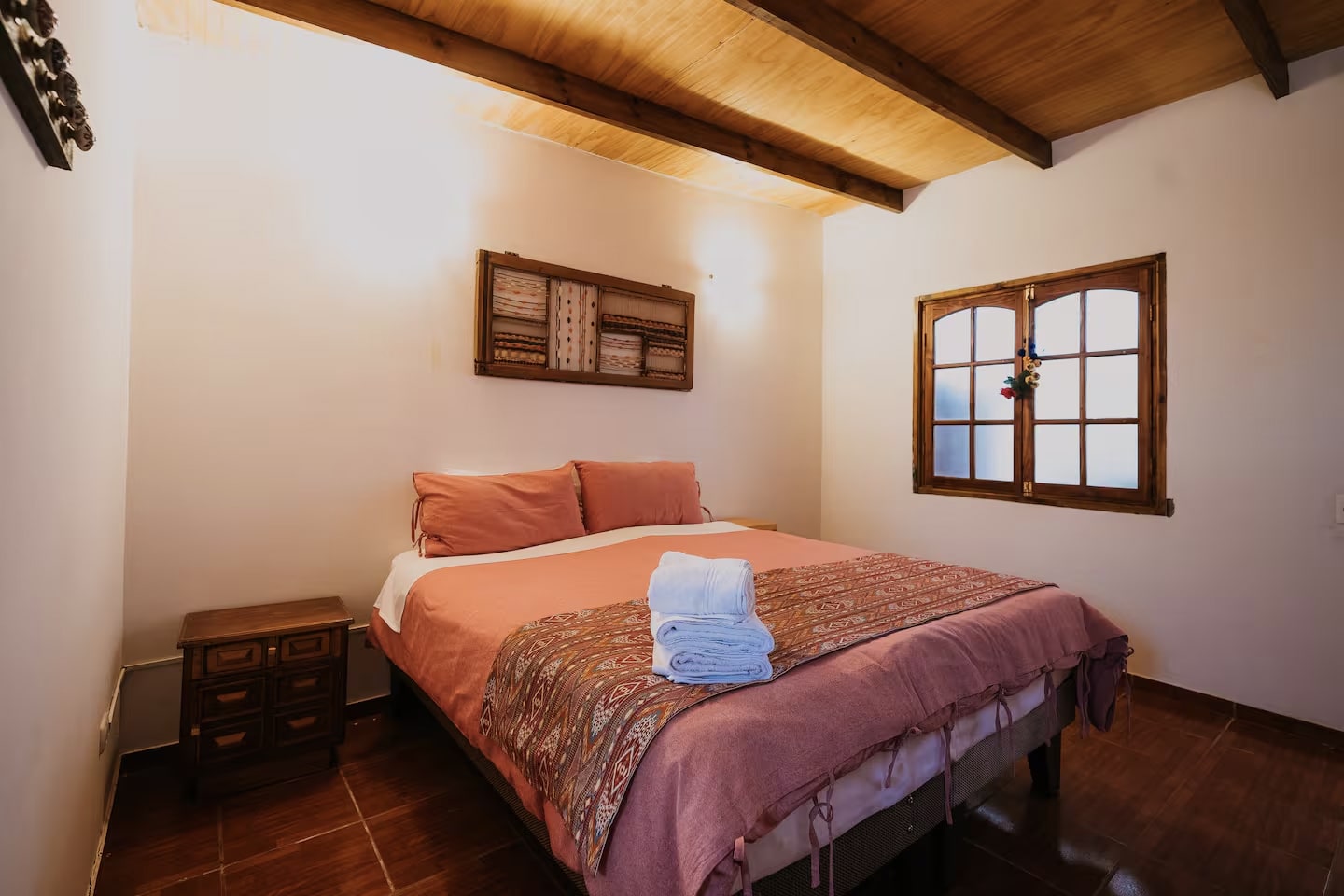
For the Atacama part of the workshop, we use a traditional ranch-style complex. The accommodation consists of 8 – 9 bedrooms with their own bathrooms. It’s a family run ranch and they handle our breakfast and lunch catering. We also supplement extra rooms with a nearby hotel to give the amount needed for the tour.
Many houses in San Pedro de Atacama do not have heating, neither do some hotels and hostels. Our last few nights back in the Atacama are spent in the Casa don Tomas Hotel.
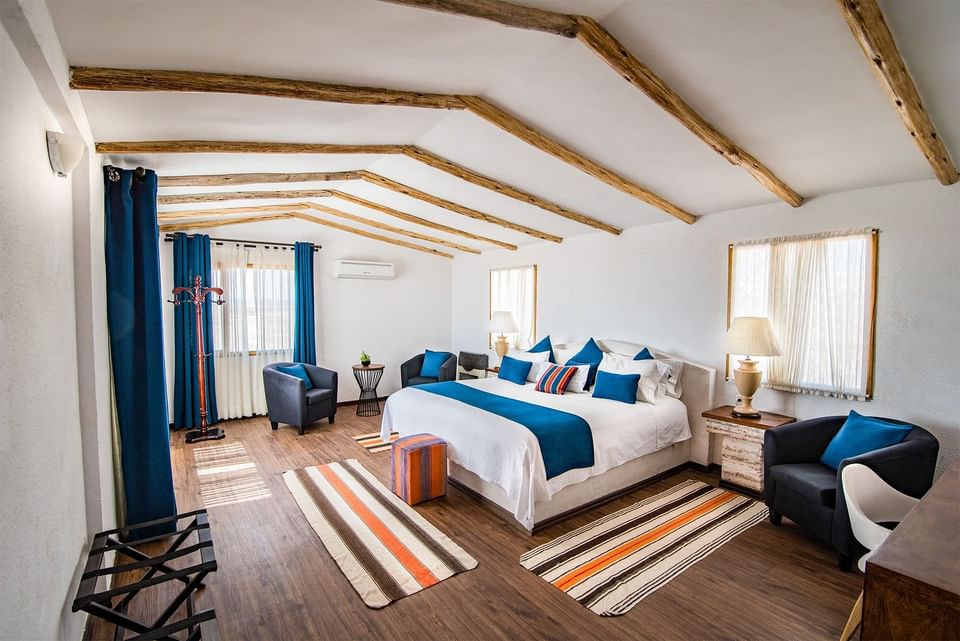
PLEASE NOTE: We use the best hotels possible through the Altiplano, though during our travels through the highlands, we have to use basic hostels for 3 nights. The only options are shared rooms even if you have paid the suplliment for single rooms, these 3 nights cannot be supplimented. Hostels are extremely basic and may be more basic than you are used to. The single supliment is for the duration of the time in the Chilean Atacama, and, 3 nights in the salt hotel at Uyuni.


Travel Information
Transfers
Transfers are provided to and from San Pedro de Atacama via a profesional transfer service through our partners in San Pedro.
The transfers are for Calama El Loa Airport (CJC), which has several flights daily to and from Santiago.
For Santiago, from Europe, flights leave Madrid daily and fly overnight to Santiago, and direct flights leave London three/four times a week.
Multiple cities across the US, Australia, New Zealand, Argentina, Brazil, and Peru offer direct flights to Santiago.
Workshop transport is via raised vans or 4×4’s in the Atacama Desert, followed by three old-school Toyota Four Runners or similar in Bolivia, giving us access to terrain often overlooked.
Further Information
We use registered tour operators in the Atacama to handle some of our logistics, accommodation, catering and drivers.
Our Bolivian guides are some of the best in the business, and have been operating since there were only 40/50 firms offering tours from Uyuni, there are now hundreds. They have over 20 drivers and vehicles as part of their organisation. We’ve worked closely with them for several years, running multiple workshops and tailoring the best possible tour and landscape opportunities whilst exploring the wild Bolivian Altiplano.
Vehicles are equipped with a Garmin InReach Mini, and group participants’ family/friends can be provided online map access with a GPS ping showing group position every 15 minutes.
Ollie & Elly speak basic Spanish alongside English, and both possess certificates in the following first aid courses:
– Basic Life Support
– Emergency First Aid at Work
Group emails are set up once the group is fully booked, as an ice breaker, and also to serve as a Q&A platform (group emails are already up and running; the final participant will be added to the email thread).
A disclaimer is issued for the group to sign due to visiting high altitudes.
Please contact us for further info on any aspect of this workshop.
San Pedro Area,Wider Atacama, Bolivian Altiplano
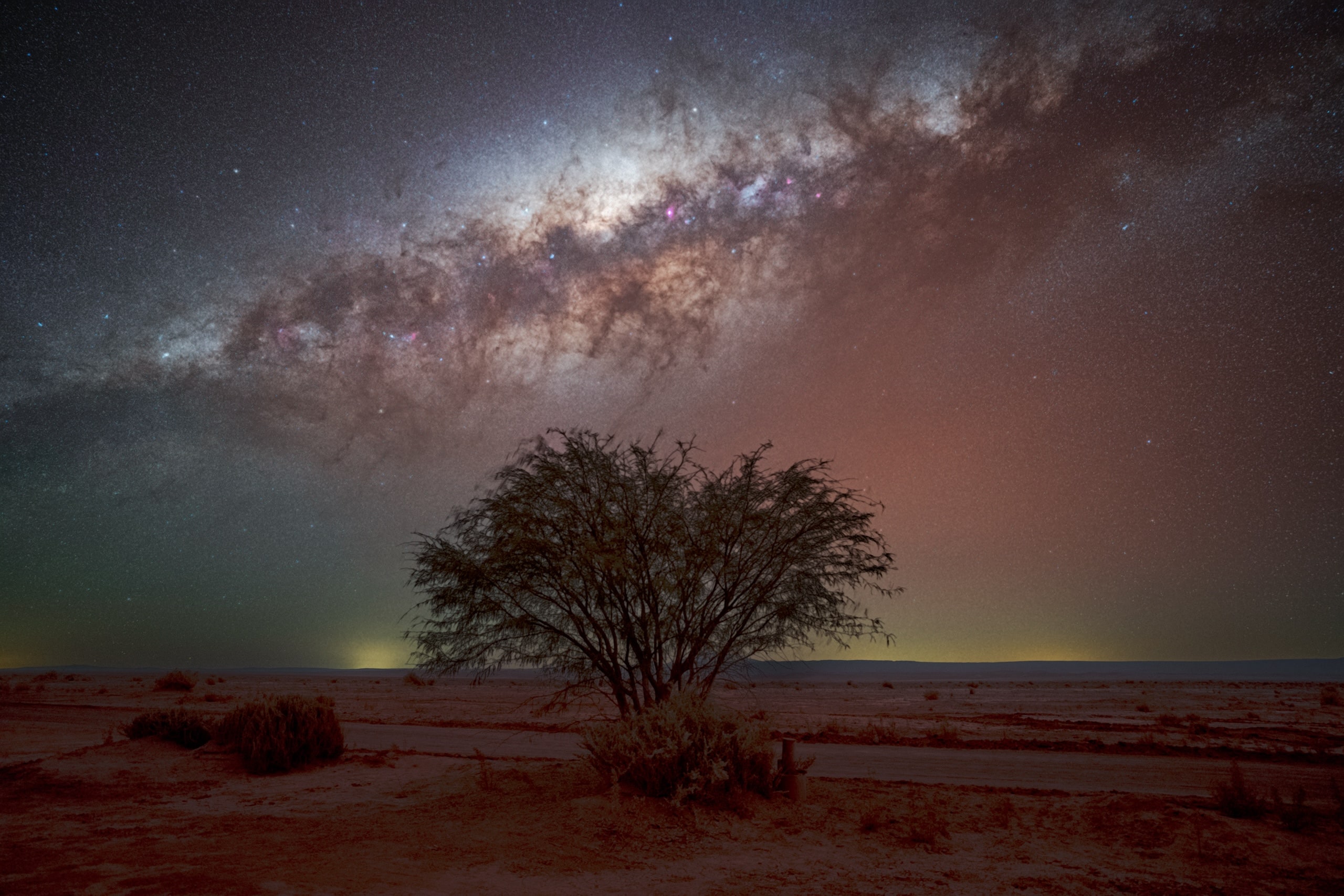
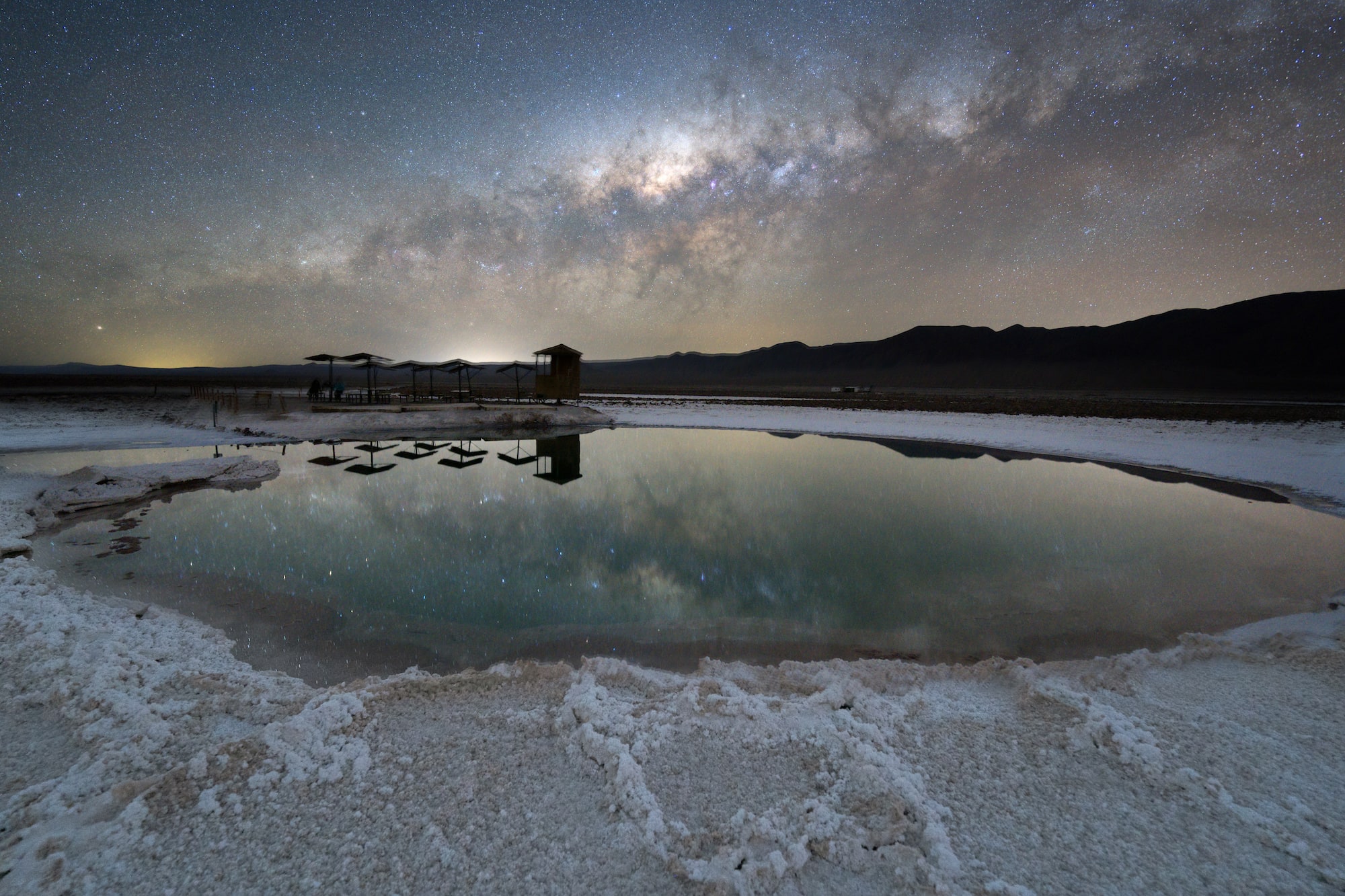
The night sky is incredible on the outskirts of the San Pedro, but due to local restrictions for the astronomic highlights we travel high into the central Andean volcanic plains, driving through wild and serene landscapes, and leaving civilisation, and light pollution behind.
The altitude (San Pedro de Atacama 2400m), dust and arid climate can take several days to adjust to and the workshop factors this in as we acclimatise locally for several days before longer ventures out into the wilderness.
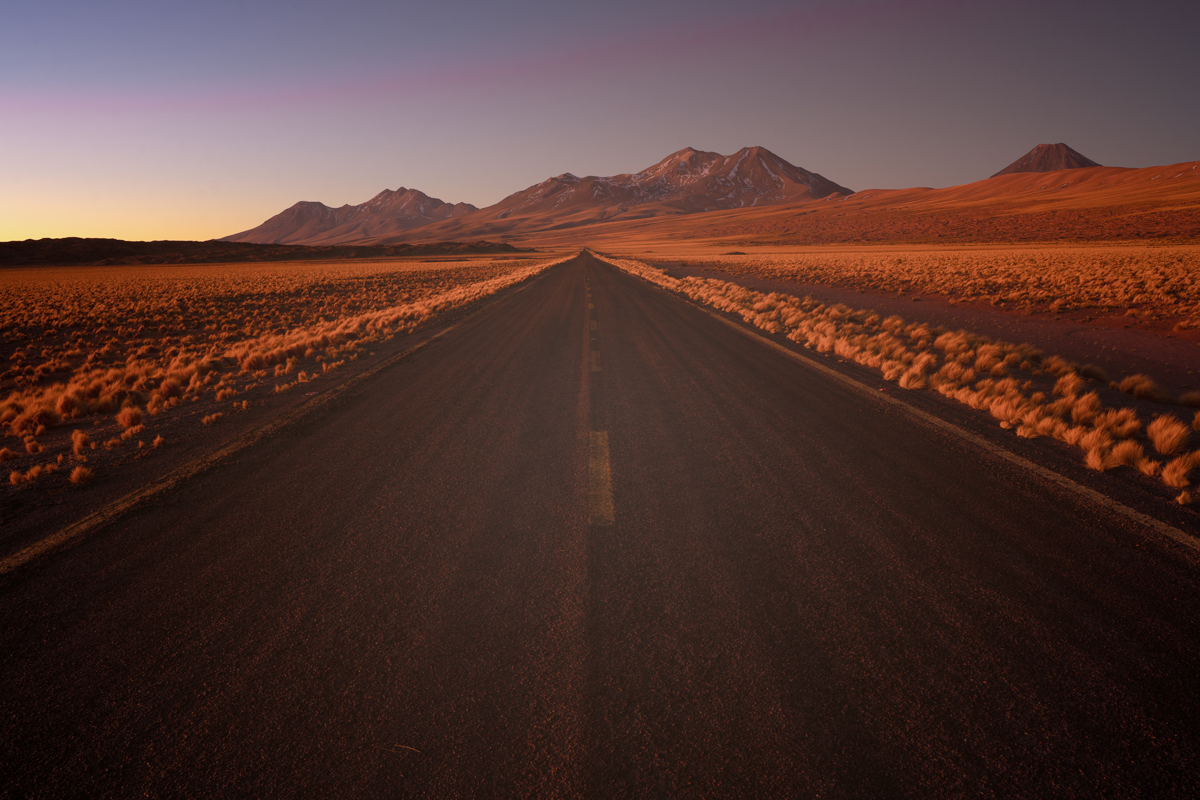
The Bolivian Altiplano is untamed, full of wildlife, lagunas, incredible sunsets, and some of the best dark sky locations on the planet, then, there are the salt flats, one of the most fascinating places on Earth for photography.



Workshop places are available
2028 Atacama & Bolivia Photo Tour Summary
The Atacama & Bolivia Workshop focuses on landscape astrophotography, landscape photography and wildlife.
Location: The Atacama Desert Chile / The Bolivian Altiplano
Price: Full price £6,400 / Deposit £1,800
Date: 23rd March 2028 – 4th April 2028
Duration: 12 nights / 13 days
Maximum Group Size: 12
Tutors: Tutors: Ollie Taylor & Chris Frost
Assistant: Elly Flower
Accommodation: Shared occupancy x 2.
Information: Single room supplement = £1200. The supplement guarantees a single-occupancy room for the 6 x nights in the Atacama and 3 x nights in the salt hotel on the Salar de Uyuni. 3 Nights crossing the Altiplano potentially remain shared, though if rooms are available, these will also be single occupancy.
BOOK YOUR PLACE
If there are spaces left, you can book your place on this photography tour below.
Any questions? Please click here to contact Ollie Taylor.
Additional information
| Workshop | Deposit, Full |
|---|