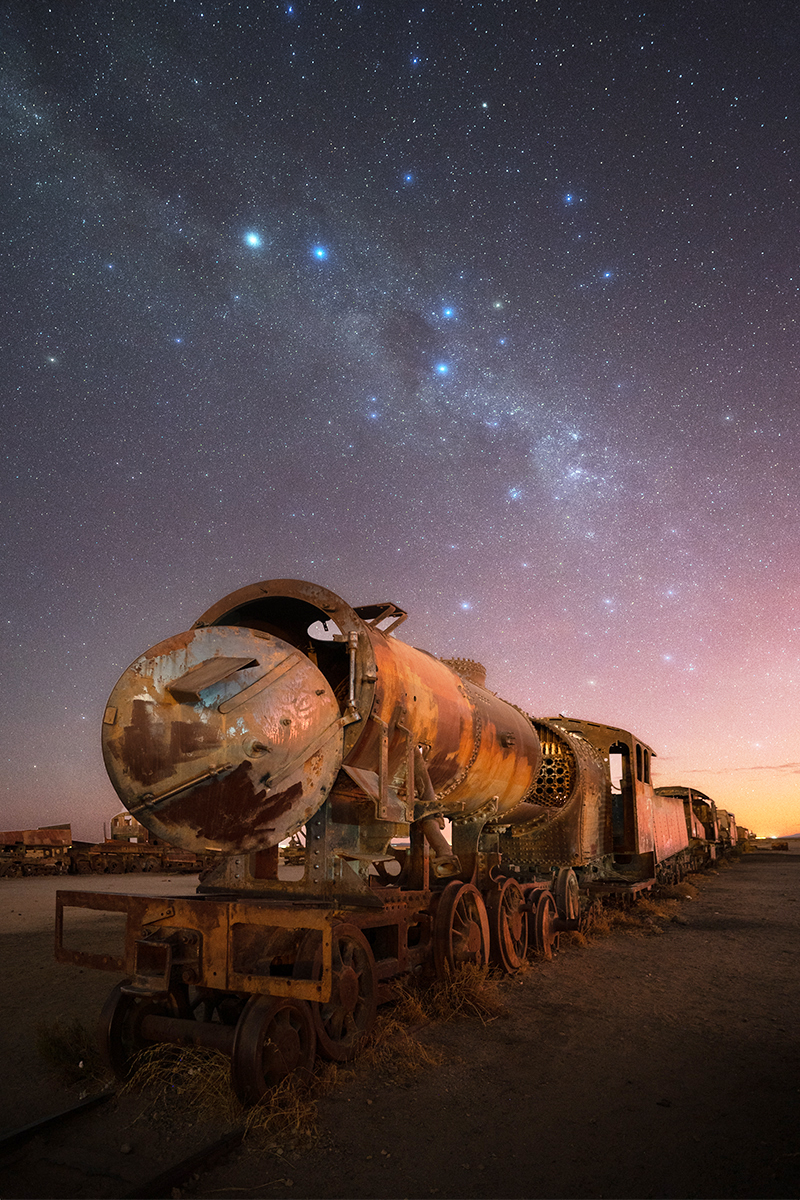
Bolivia Photography Workshop
Price range: £1,800.00 through £5,800.00
20th – 30th April 2028 Bolivia Landscape and Astrophotography Workshop with a small compact group for guaranteed valuable photographic tuition. Non-refundable deposit £1800
Description
Bolivia Photo Tour
Our Bolivia photography workshop explores the iconic Salar de Uyuni, the colourful Altiplano lagoons, cactus islands and pristine dark skies, combining landscape and astrophotography in one unforgettable expedition.
Workshop places are available
2028 Bolivia Astrophotography Expedition
The Bolivia Workshop focuses on landscape astrophotography, landscape photography and wildlife.
Location: Bolivian Altiplano = La Paz, Sajama National Park, Uyuni, Salar de Uyuni, Sud Lipez.
Price: Full price £5800 / Deposit £1800/Single Supplement = £800.
Date: 18th April 2028 – 30th April 2028
Duration: 12 nights/13 days
Maximum Group Size: 8
Tutors: Tutor: Ollie Taylor
Accommodation: Salt Hotels & Hostels
Information: £800 Supplement = 3 nights Salt Hotel, 1 night Uyuni, & 1 night San Pedro only; we make requests for single rooms in the other hostel stops, but this depends on availability)
BOOK YOUR PLACE
If there are spaces left, you can book your place on this photography tour below.
Any questions? Please click here to contact Ollie Taylor.


What’s Included?
Pick up and transfer from/to Uyuni Airport & La Paz
Accommodation
85% of meals included
Transportation
Professional landscape photography & astrophotography tuition and advice throughout the tour
In-depth follow up digital darkroom image to print tuition if required*
Help with onward travel advice if required*
What’s Excluded?
Flights
Personal high altitude travel and equipment insurance
Useful Information
Exertion Level
Acclimatisation is required for this workshop, and we recommend spending a few days at a high altitude prior to the workshop if possible.
Landsacpe Photography
The Bolivia Photo Tour includes landscape photography tuition where required over Bolivia’s fascinating and ethereal landscapes.
Astrophotography
Astrophotography tuition will be delivered where required, covering basics and more advanced astro techniques.
Expertise
The Bolivia photography workshop and tour is aimed at photographers at amateur level and upwards; participants will need an understanding of manual mode, previous nightscape, landscape experience highly advantageous.
Bolivia Photography Workshop
Bolivian high Altiplano photography workshop recently featured in both “Nat Geo Traveller” & “The Food and Travel Magazine”, specifically for astrophotographers and serious landscape enthusiasts, this 4×4-based expedition into Bolivia’s breathtaking high Altiplano focuses on quality over quantity of locations. Led by experienced, renowned guides with deep local knowledge, allowing for meaningful exploration, immersive experiences, and the opportunity to truly capture the majesty of Bolivia’s surreal terrain.
Many tours rush through a checklist of stops on the journey from San Pedro de Atacama to Uyuni. Yet it’s the Bolivian Altiplano that steals the show.
The more frequented areas of the Atacama Desert come with major access restrictions, with many locations inaccessible after 17:00, even to local guides. Across the border, Bolivia offers something very different: accessible, pitch-dark landscapes stretching throughout the Bolivian side of the Andean Volcanic Belt.
We’ve been exploring and developing locations here since 2019.
This workshop brings together a diverse collection of landscapes, from the iconic locations to well beyond the established tour routes.
The Bolivian Altiplano is renowned for its wet season, when the Salar de Uyuni can transform into a vast body of water. During January, February and March, water levels can become too deep for 4x4s to venture far onto the Salar, while cloud and unsettled weather can make astrophotography difficult.
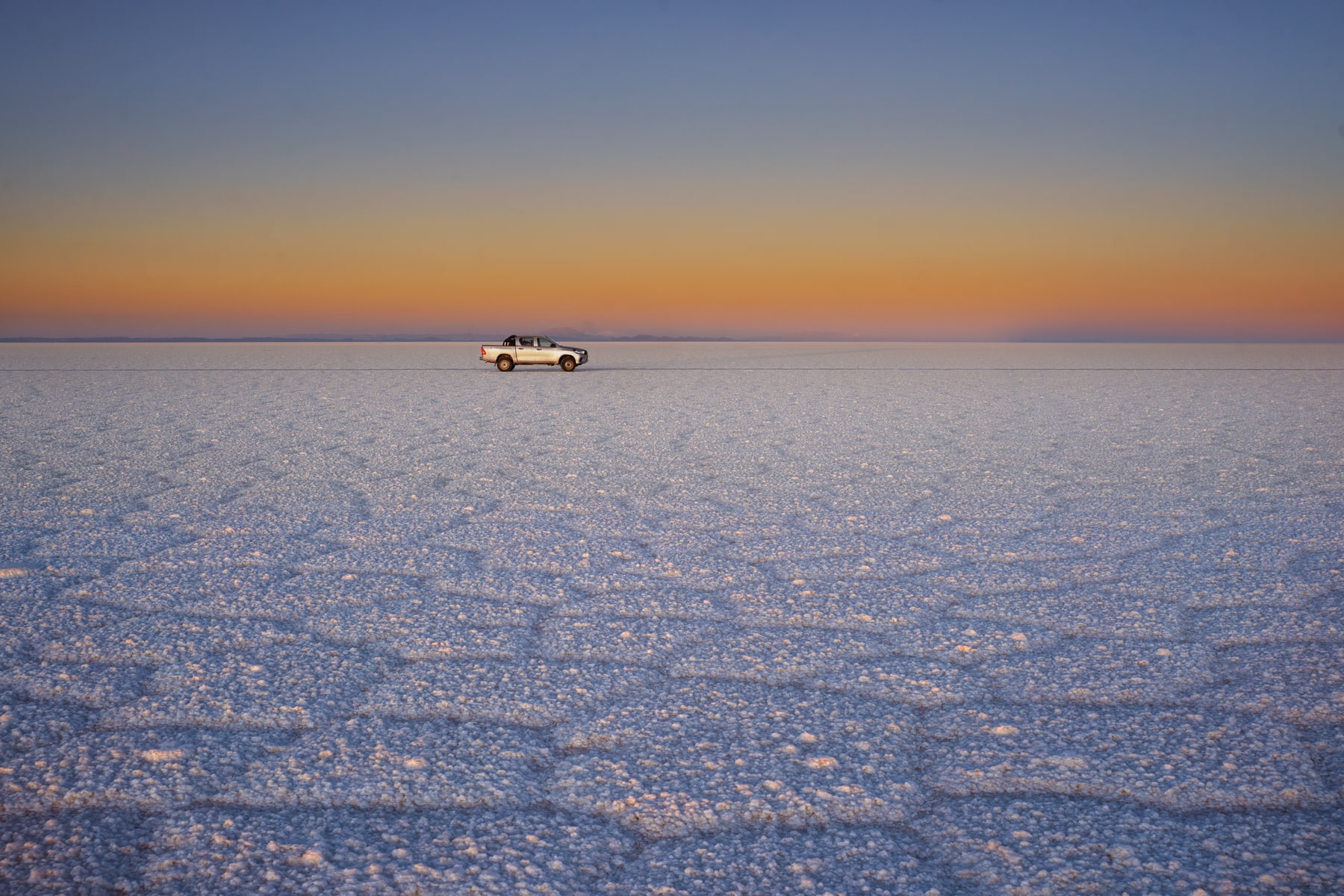
By early April, the wet season is *usually* coming to an end. Conditions become drier and clearer, but wait too long, and the water can disappear altogether, revealing the Salar’s endless salt hexagons.
This tour is deliberately timed for that narrow window at the end of the wet season: aiming to retain water on the Salar while benefiting from clearer skies, low humidity and the exceptional transparency of the high-altitude Altiplano, before the extreme cold of May and June and the onset of the Altiplano winter.


Bolivia Workshop Structure
Please note, this tour is deliberately timed for the end of the wet season, prioritising astrophotography conditions and the Salar de Uyuni’s iconic salt hexagons over the likelihood of water and mirror reflections on its surface.
Astrophotography under some of the clearest, darkest skies in the world.
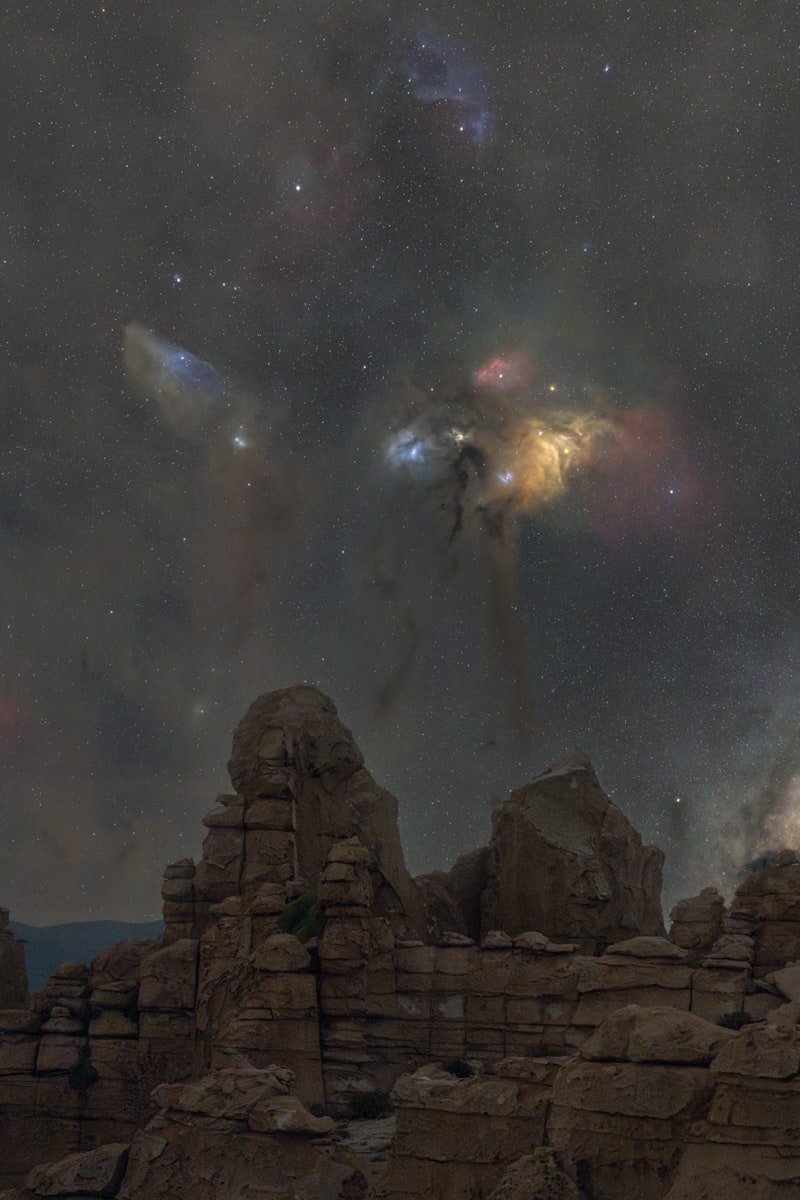
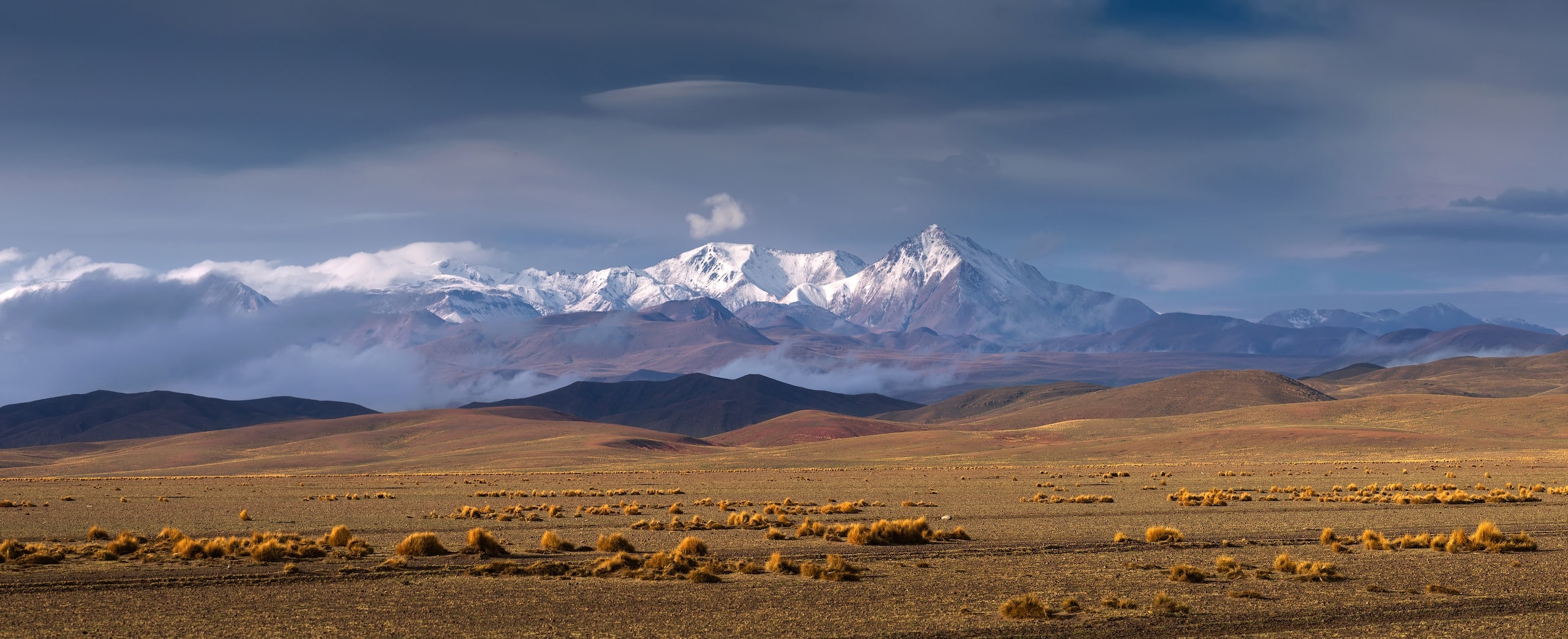
Dramatic daytime and low-light landscapes, including surreal salt flats, starlit lagoons and reflections, and otherworldly volcanic terrain.
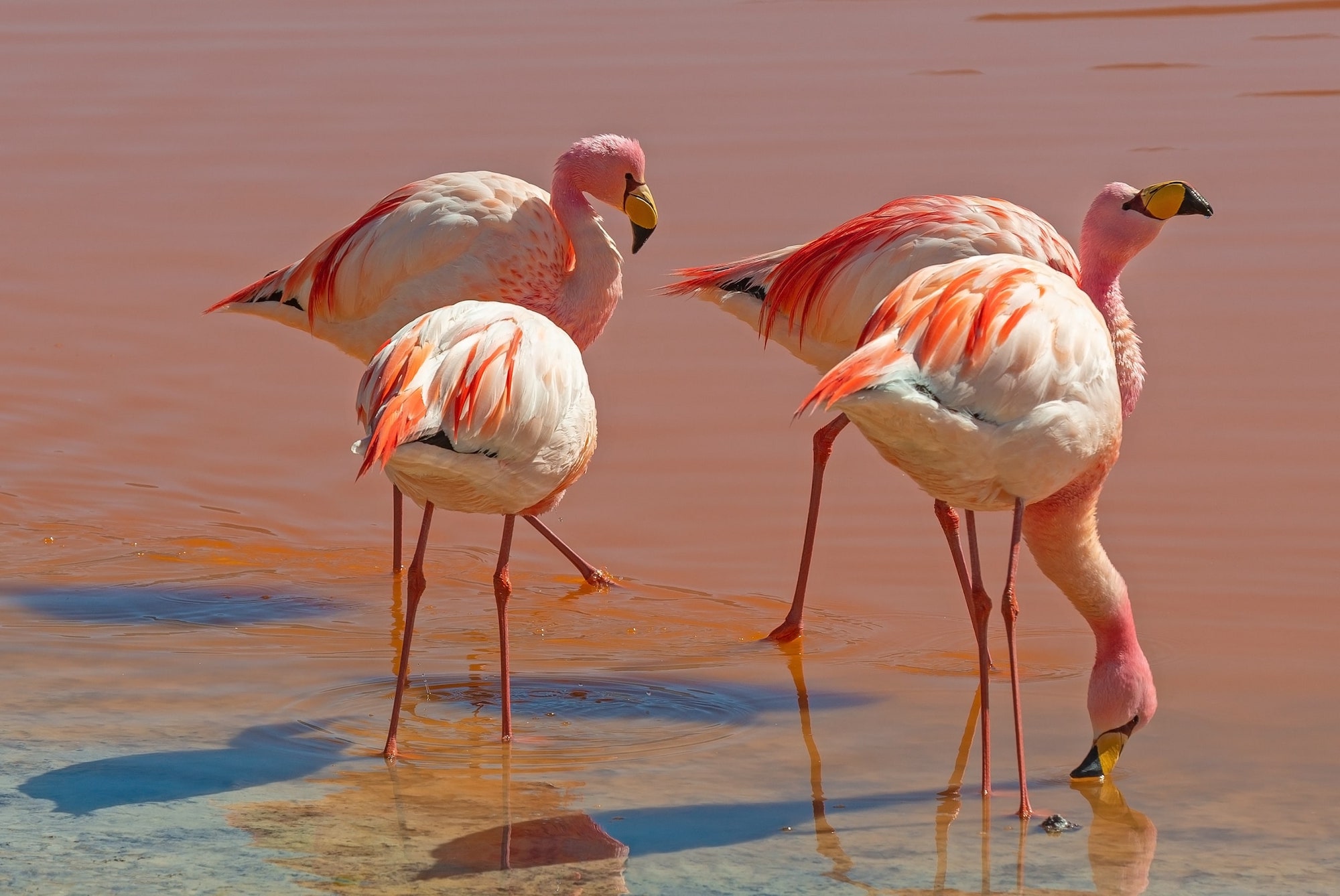
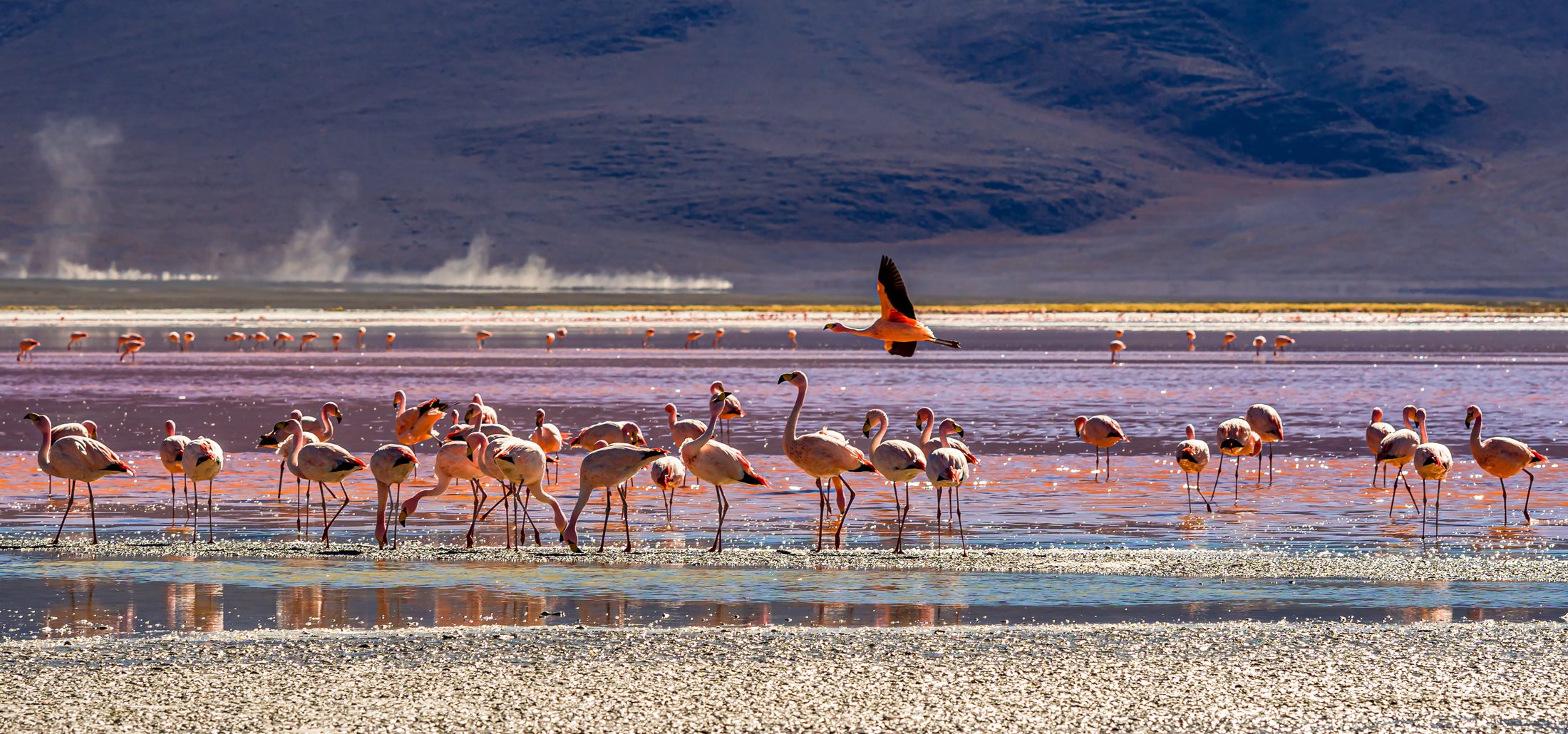
Unique high-altitude wildlife, from flamingos and vicuñas to Andean foxes and rare bird species.
The nights grow progressively colder throughout April as we journey into the sparsely populated region of Sajama, staying in basic hostels as life becomes altogether simpler in the remote Bolivian outback.
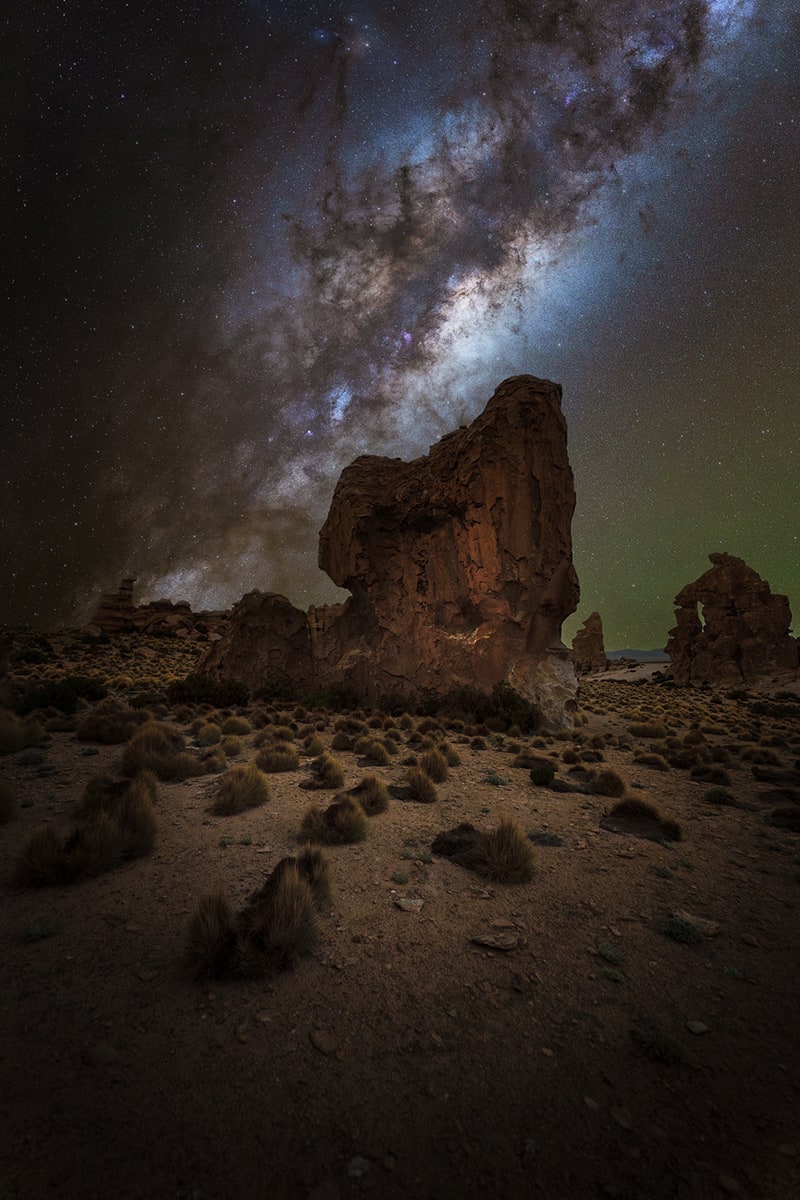
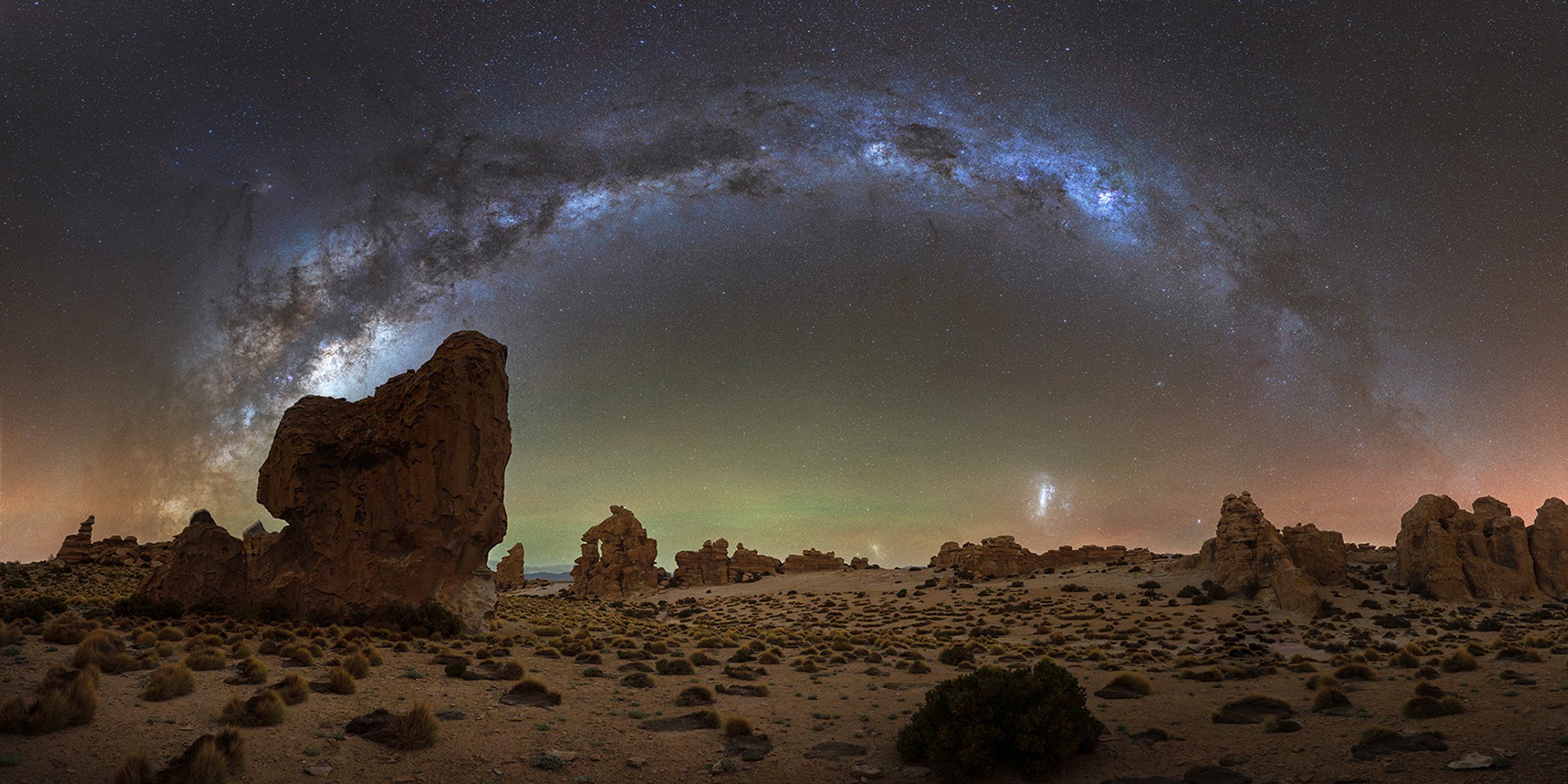
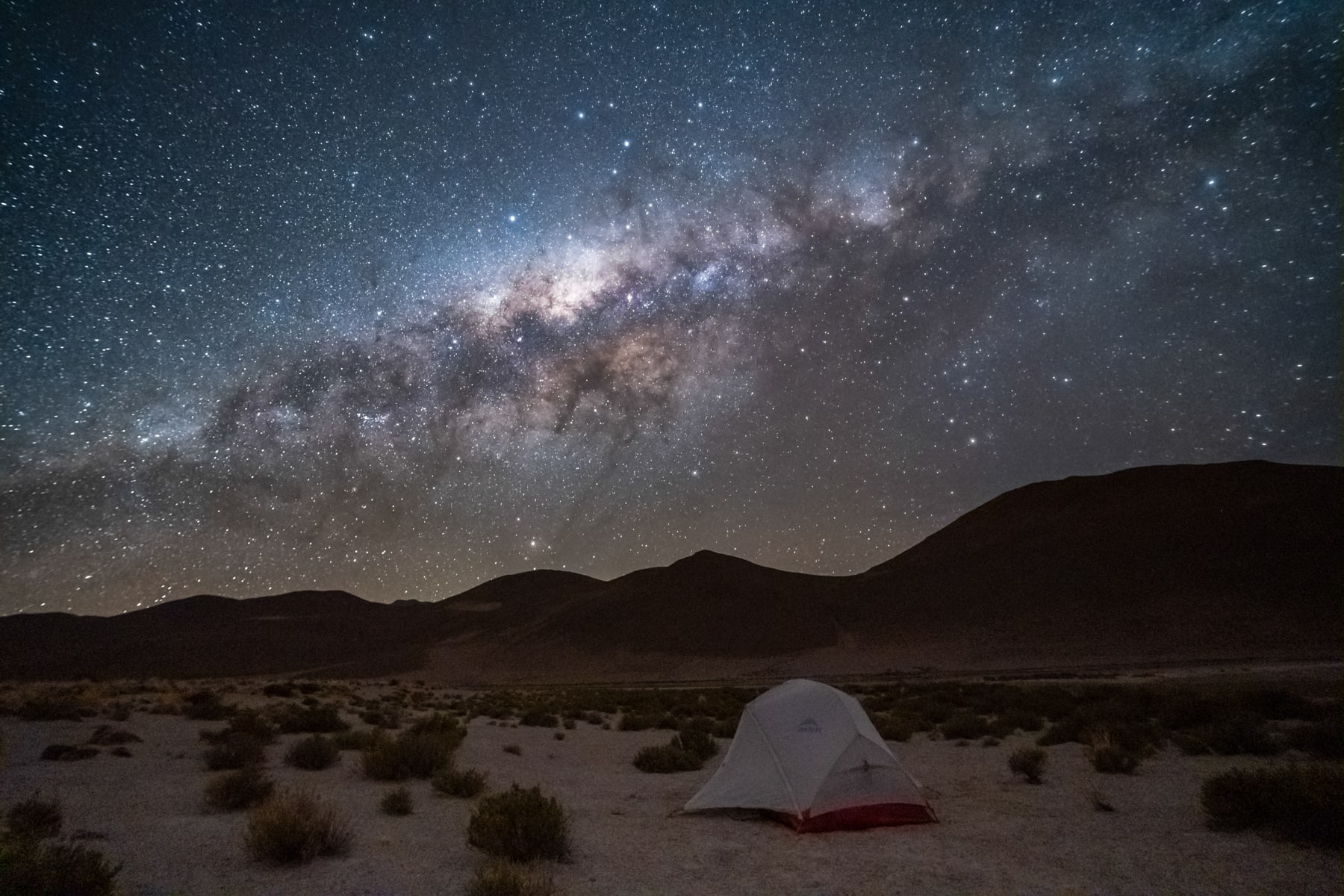
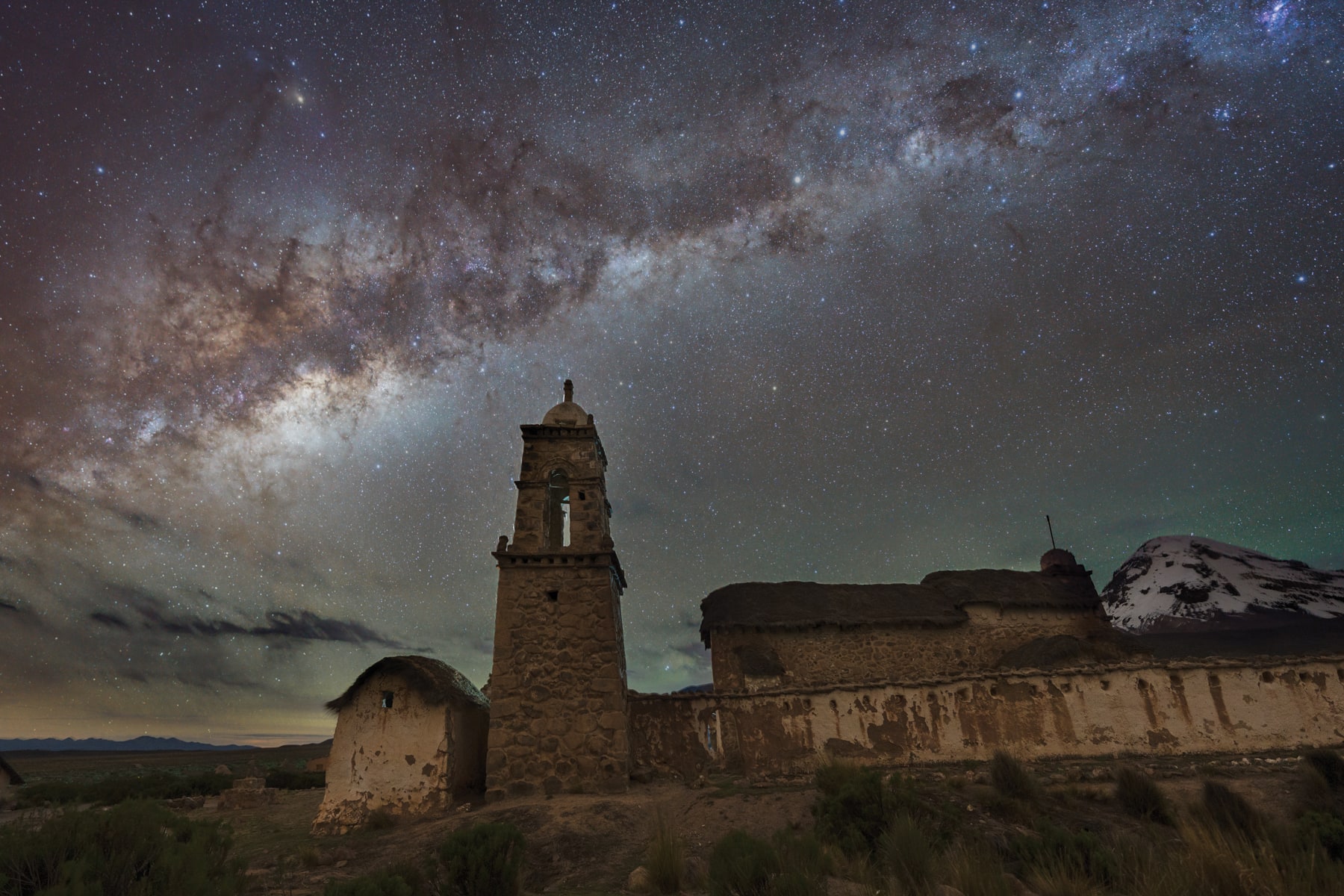
Photographers often talk about the darkest skies on the planet, but here those words carry some weight. At around 4,400 metres, with exceptionally low humidity, virtually no light pollution and a thin, clear atmosphere, Sajama offers genuinely extraordinary conditions for astrophotography, and quite possibly some of the finest night skies on Earth.



Travel Itinerary
Arrival Uyuni Airport
(Joya Andina International Airport)
3 x Days Uyuni
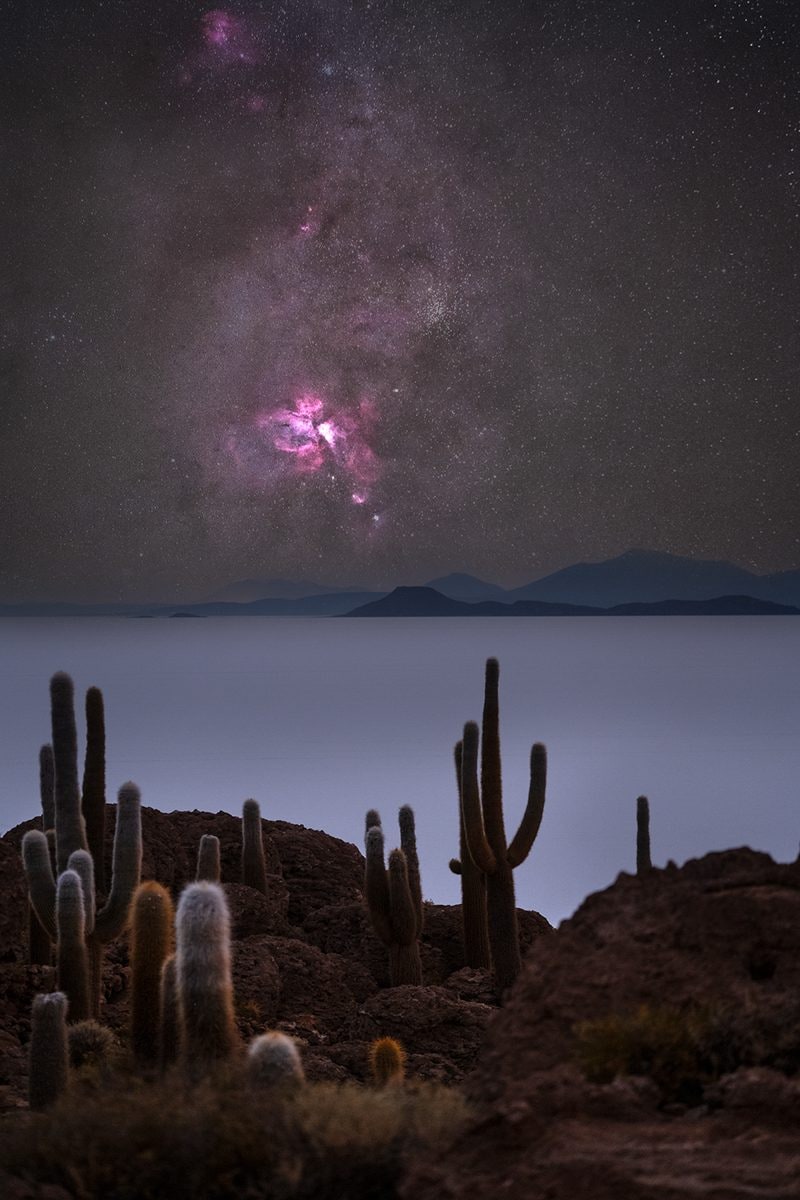
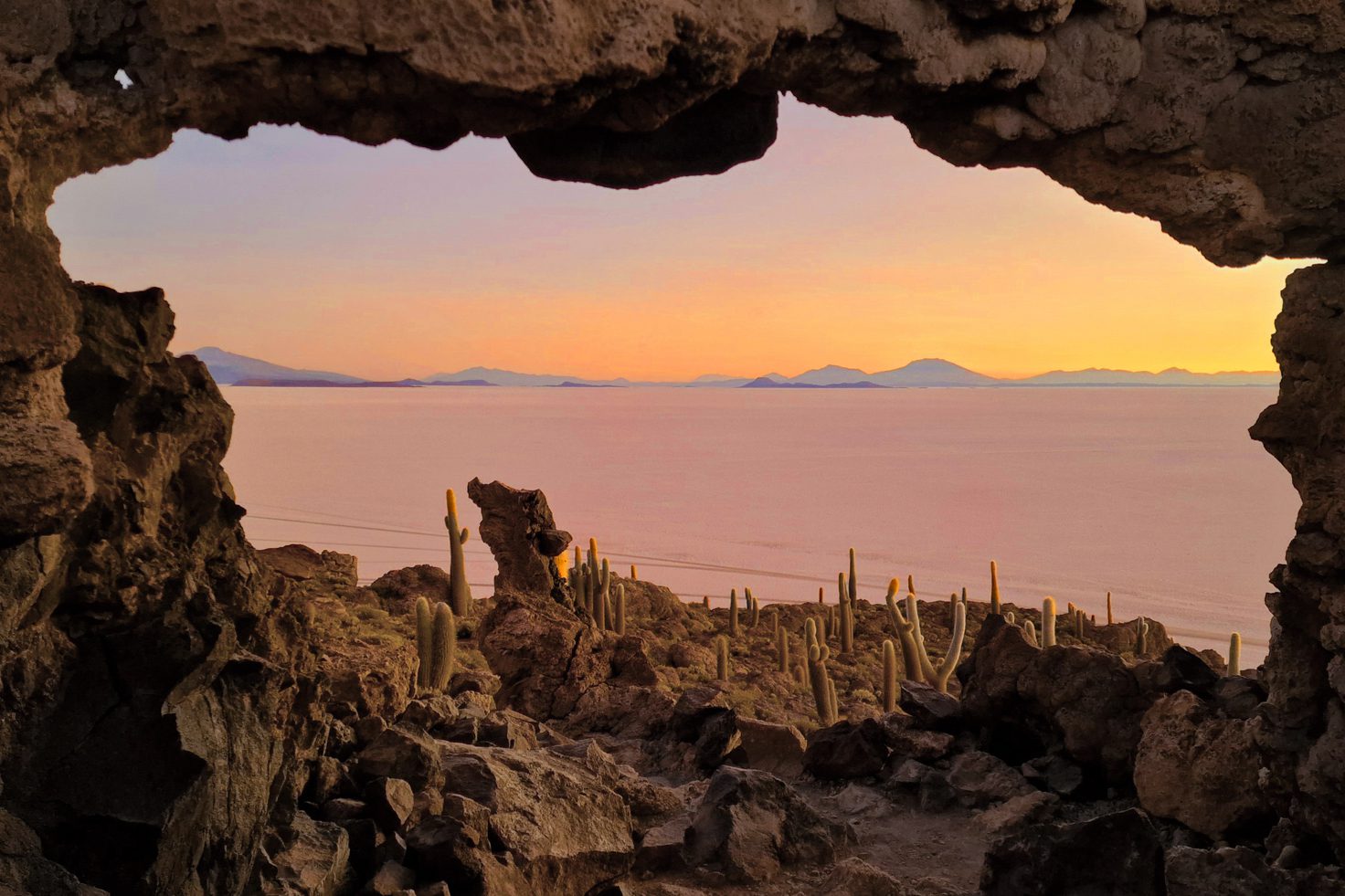
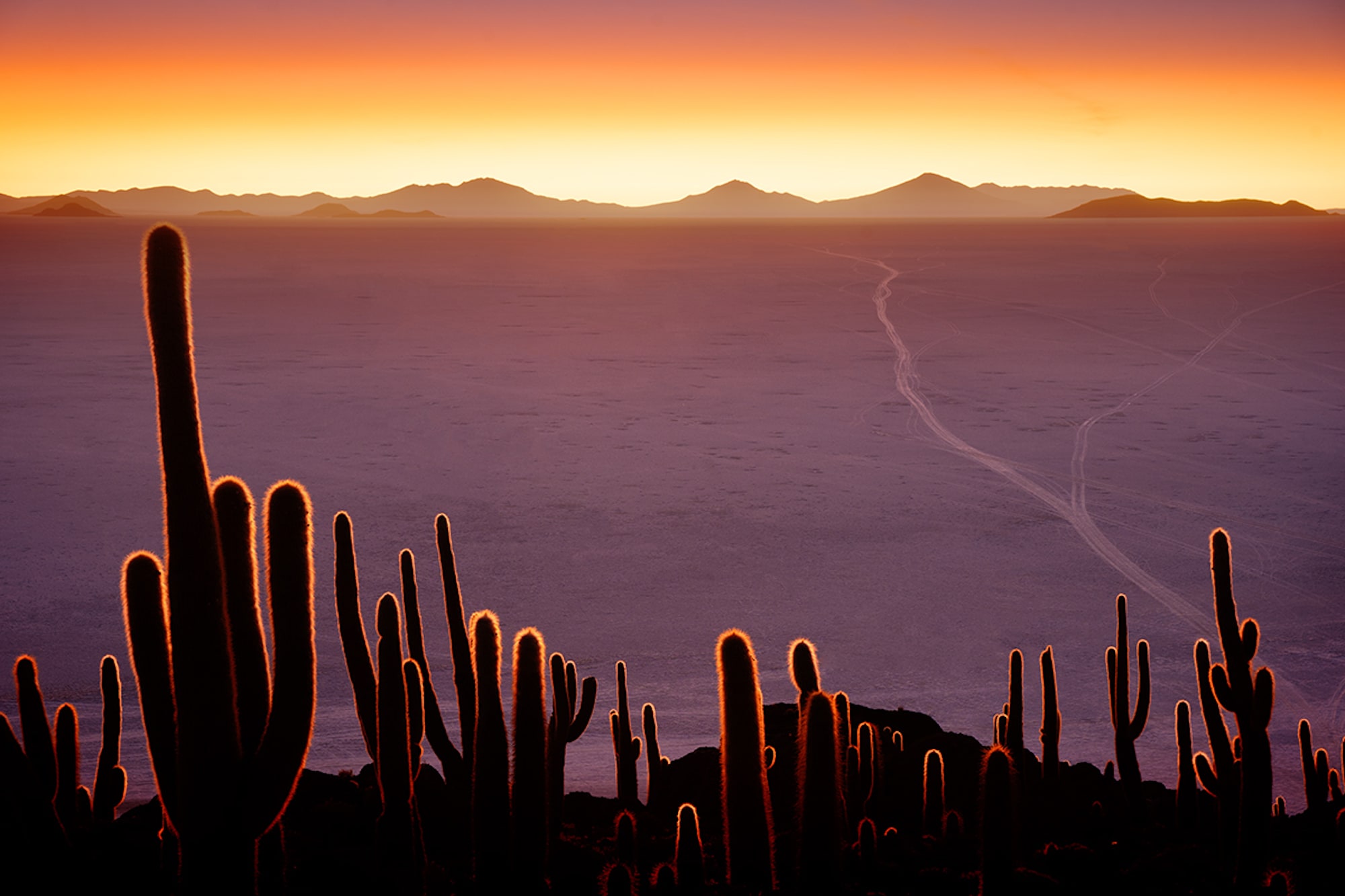
Our first three nights are spent exploring the vast Salar de Uyuni and its famous cactus islands (Isla Incahuasi & Isla Pia Pia), accessible both day and night at this time of year.
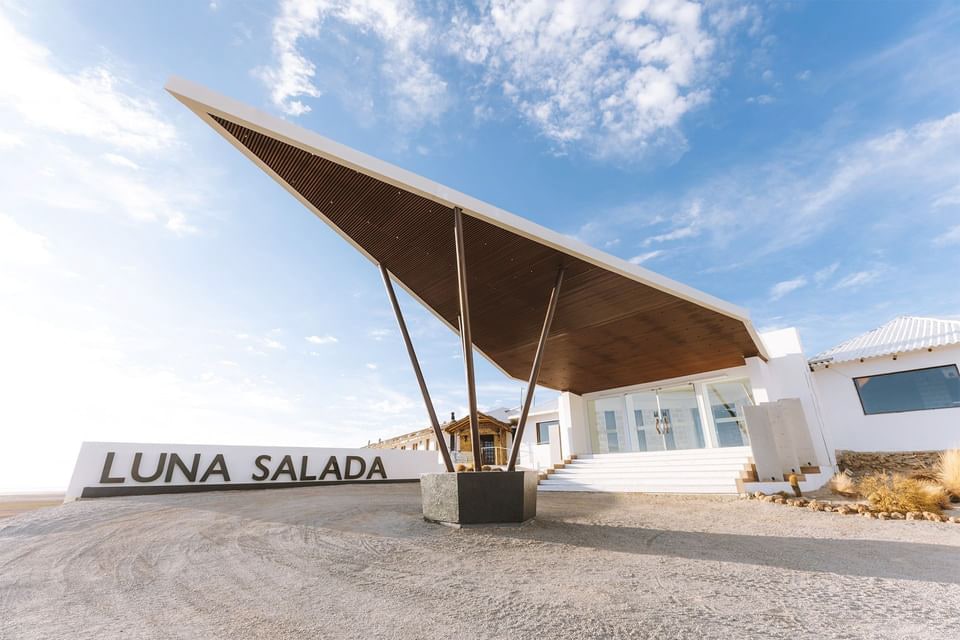
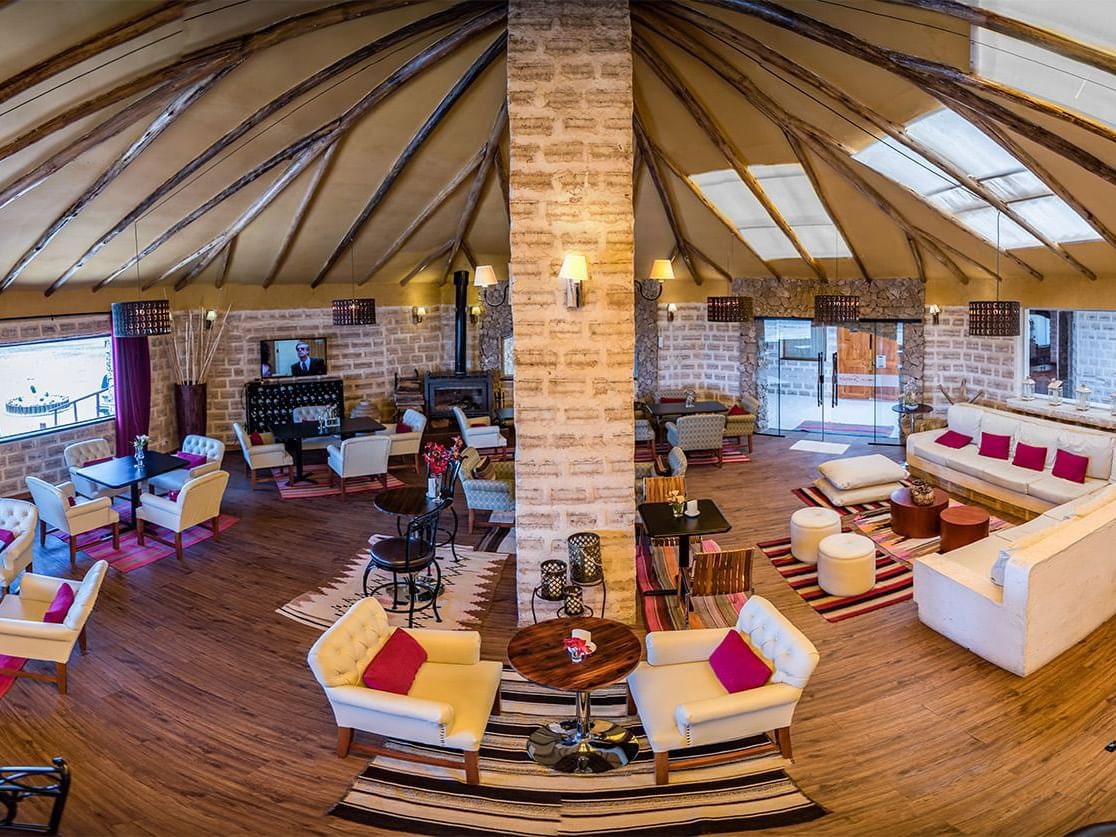
We stay at Luna Salada, one of Uyuni’s renowned salt hotels, combining relative luxury in this remote landscape with commanding views across the Salar. For these first three days and nights, we remain at around 3,600 metres above sea level.
2 x Days Sajama
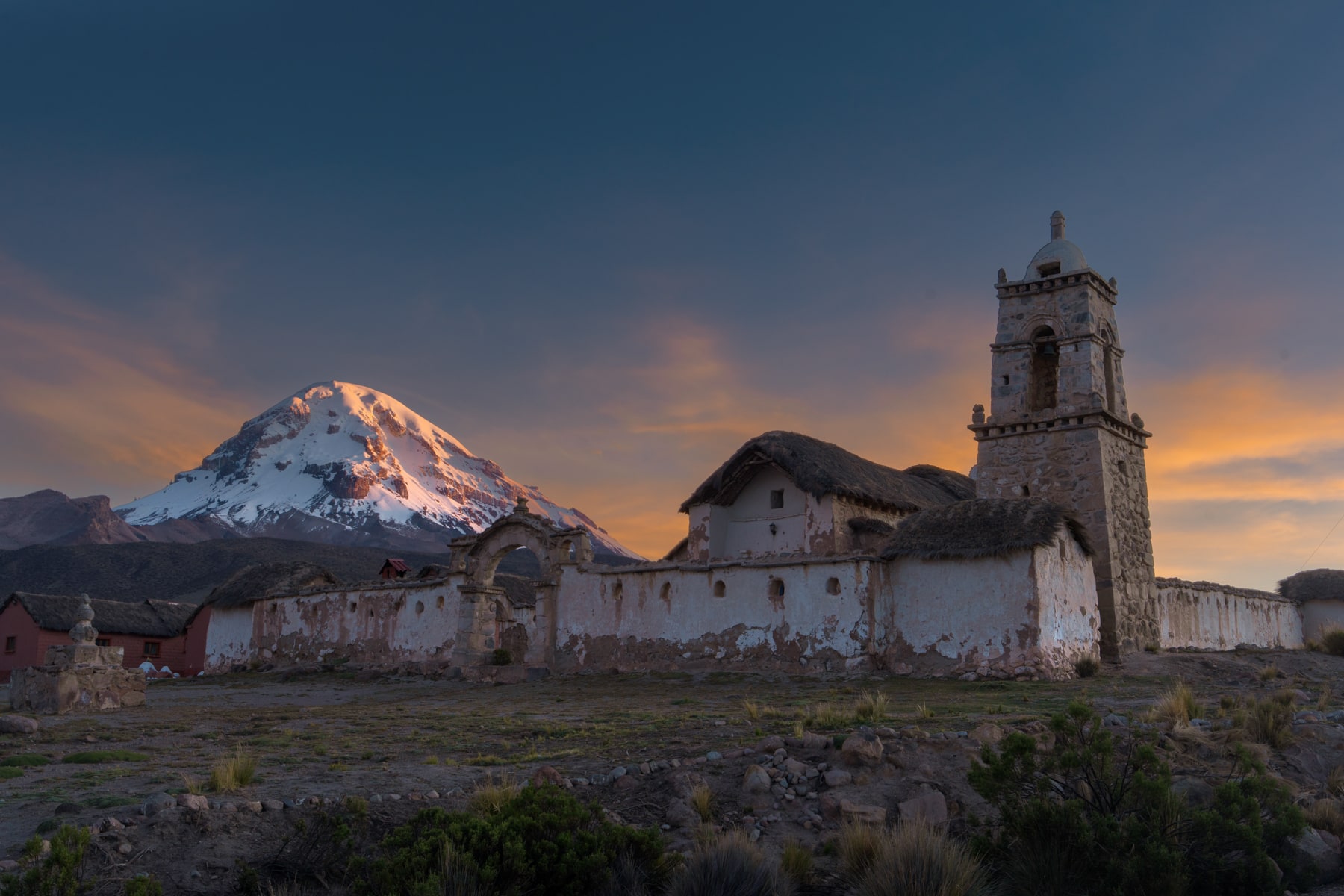
We then head north on a four-to-five-hour drive towards Bolivia’s highest mountain, Nevado Sajama. Here, we bed down in the tiny settlement of Sajama, surrounded by vast wilderness, towering volcanoes, remote lagunas and centuries-old churches.
1 x Day Uyuni
Today we head back to Uyuni for a recovery day in the town of Uyuni at its best hotel.
4 x Days High Altiplano
We now head back into the high Altiplano, this time travelling south into the remote region of Sud Lípez.
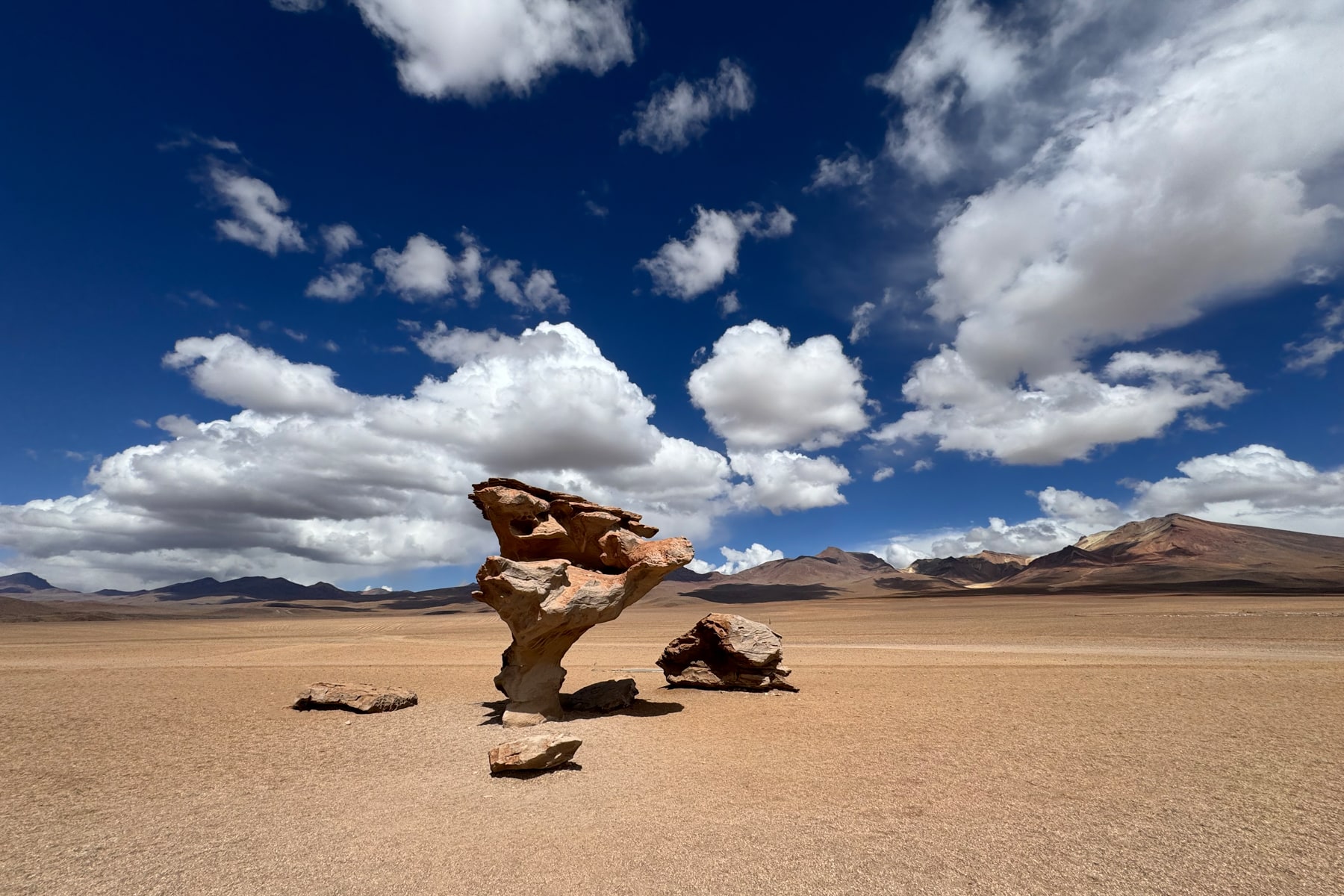
For two nights we bed down at a local hostel in Villa Alota, a remote herding village of traditional adobe houses. From here, we have access to extraordinary rock formations along the edge of ancient lava flows, alongside deep canyons and a landscape populated by llamas, vicuñas, rheas and birds of prey, all beneath the backdrop of the Andean Volcanic Belt. Our base here sits at around 3,800 metres.
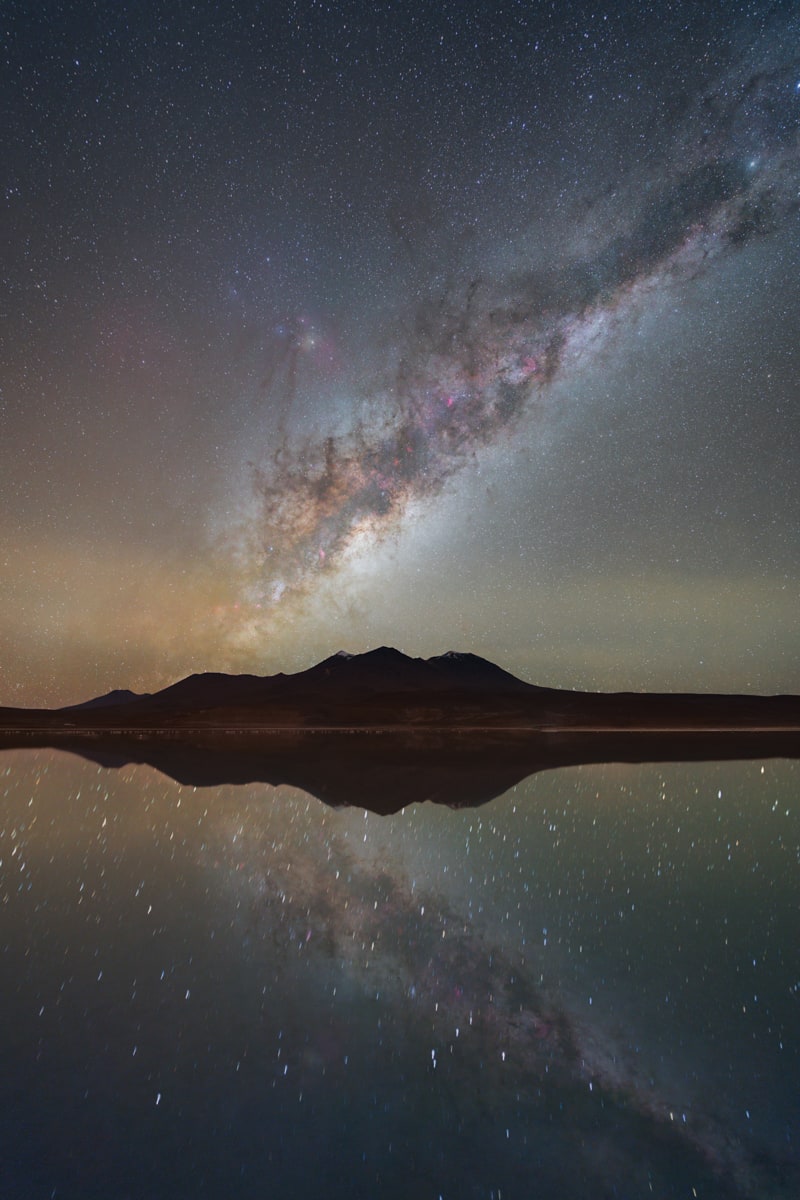
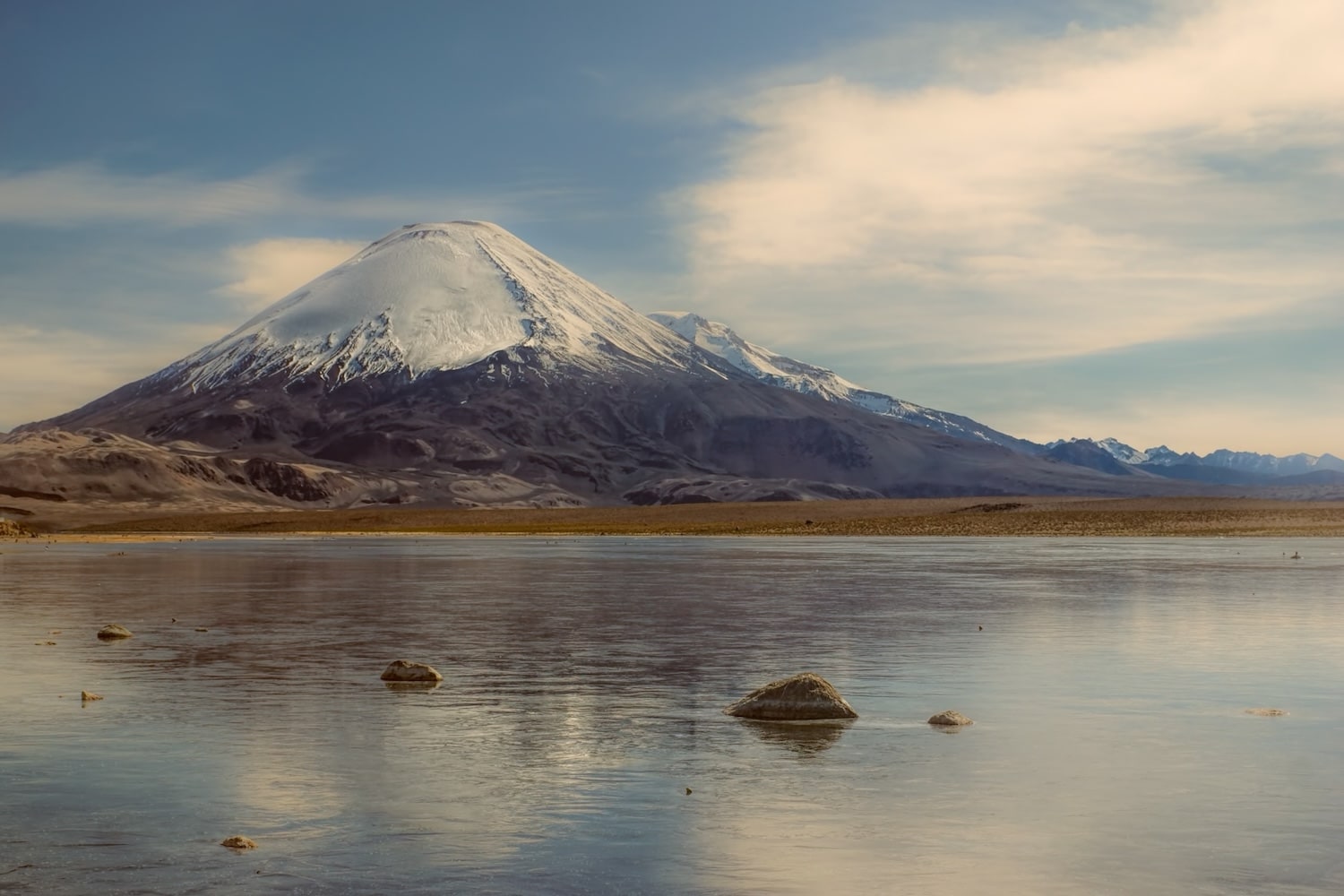
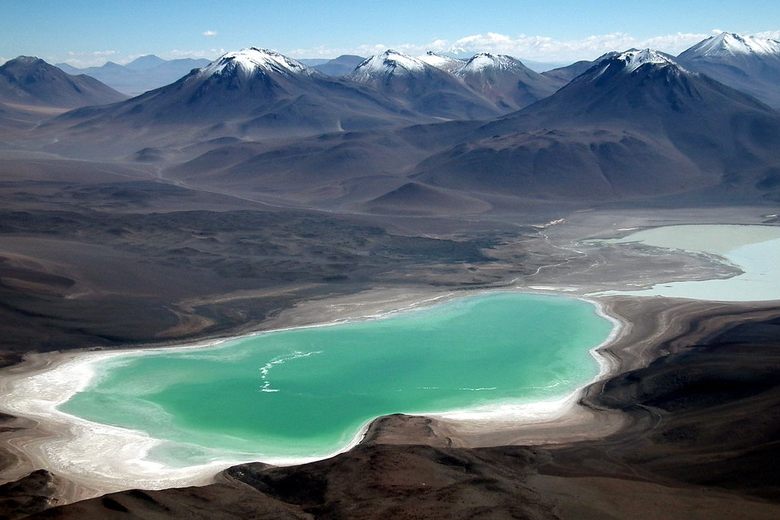
From Villa Alota, we push deeper into the Altiplano to one of our most remote bases, powered solely by generators and solar. At 4,150 metres, we spend two nights surrounded by volcanoes and vast high-altitude lagoons populated by flamingos.
This is an extraordinary landscape for astrophotography. If the winds drop and the lagoons remain calm, we’ll have the opportunity to photograph the night sky and Milky Way reflected in the water, surrounded by some of the wildest scenery of the Bolivian Altiplano.
1 x San Pedro de Atacama
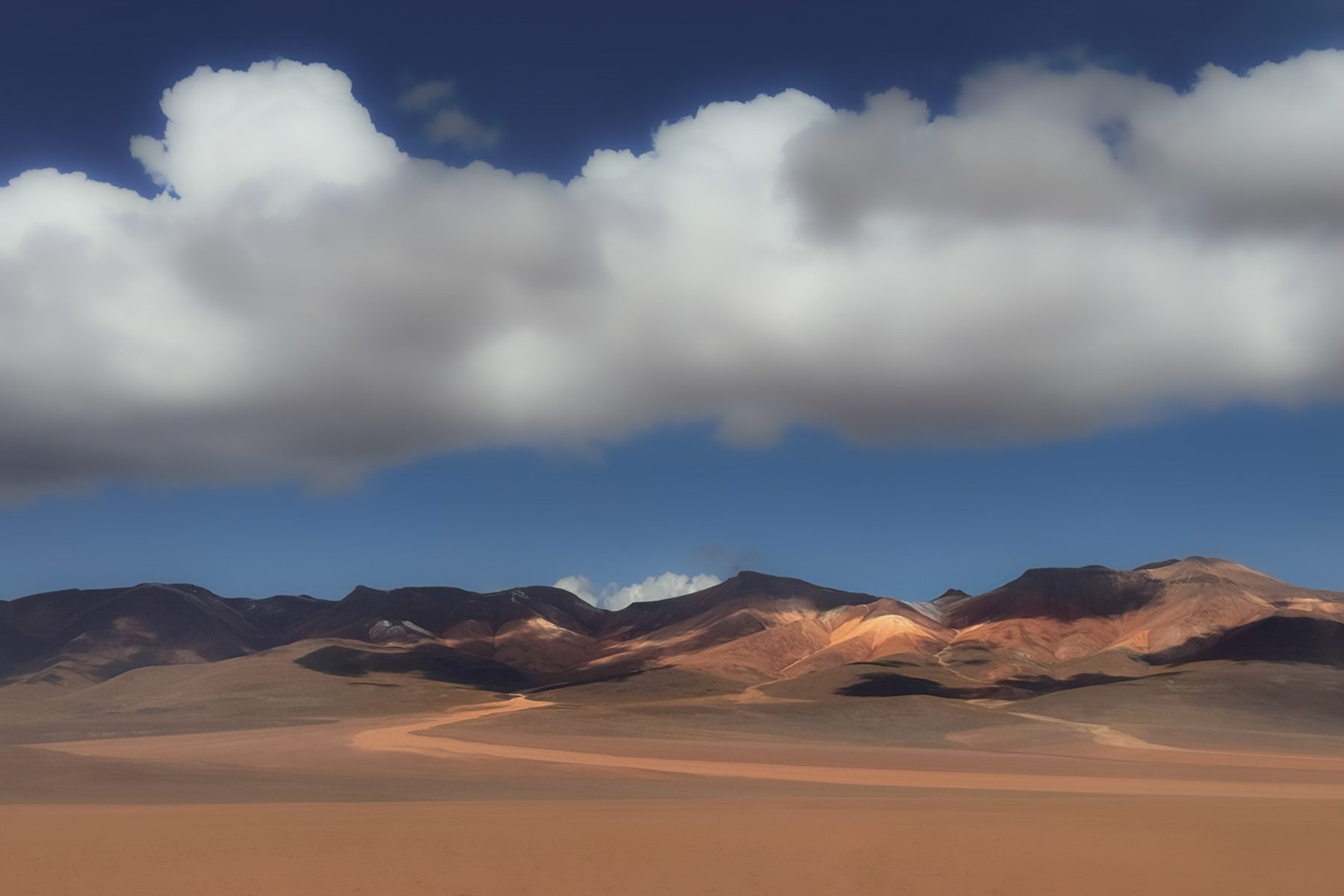
Finally, we blast across the Altiplano, heading further south towards the Chilean border. Along the way, we stop at the famous red waters of Laguna Colorada, photograph viscachas, lone rock formations and mineral-rich rainbow mountains, before crossing into Chile and recuperating in one of the best hotels in San Pedro de Atacama.
Departure Calama Airport
(Private transfer 1.5 hours to Calama El Loa Airport)



Fieldwork Equipment
Full frame, crop sensor, and micro four thirds can be used, alongside larger format cameras. This workshop is aimed at photographers that have some knowledge of night photography and are at an advanced beginner level with their astrophotography work, it is recommended the camera body has an absolute minimum ISO of 12800 for this workshop.
If you have any questions about fieldwork equipment for this workshop please click here to get in touch.
Camera body/s
Wide to long focal lengths with the fastest apertures possible
Tripod
Star tracker
Remote timer or long exposure bulb control built-in on the timer
Multiple spare camera batteries
Head torch with a red mode (this is not for night vision, it makes it easier to work as a group, and stops us blinding one another)
Warm clothes and layers, windproofs if possible as days will be cold to mild with warm sun, cold nights
Hiking boots/trainers
Post-Production & Planning Necessities
Due to the nature of this workshop and constantly being on the move, no post-production can be offered on the workshop. Follow-up Zoom sessions will soon be available to book on the website with different time slots to suit different workshops.
Recommended apps that will be taught and demonstrated:
Photopills (paid one-time subscription)
Stellarium (free on desktop), free mobile version, the full mobile version now costs a fee
Starwalk 2, Sky Guide or similar “what’s in the sky mobile/tablet application”


Frequently Asked Questions
Some useful information about our Bolivia workshops.
Why Choose our Bolivia Photo Workshop?
Many tour leaders jump on a quick 10-night excursion covering San Pedro to Uyuni and back, and follow the exact same route, same locations, and have never diversified. Initially, our first reconnaissance trip to Bolivia was very much in at the deep end: no guides, no accommodation reserved, and a 4×4 hired to self-drive from Sucre, the nearest practical option some eight hours from Uyuni. It was the middle of the Altiplano winter, with several nights spent camping at high altitude in the remote reaches of Sud Lípez.
Since then, our team have travelled extensively in Bolivia, working with trusted local guides, and reverse-engineered the initial raw experience. Given the extreme remoteness of the region and the value of a strong local support network, the tour is now fully guided by our partners.
We also do things differently from regular Altiplano tours. Each 4×4 carries just three guests plus a driver, rather than squeezing six or seven people into a vehicle for days at a time.. Read more about the tutor and workshops here.
What will I learn on the Bolivia Photo Tour?
This tour covers immense distance over some very rough terrain; fatigue and altitude will impact the group. However, landscape, travel, and astrophotography tuition will be delivered on many of the locations where required.
Do I needa a visa for Bolivia?
Most European countries do not require a visa for Bolivia, for the US and other countries a visa is required, please check your government website.
What clothing should I bring?
- Comfortable light hiking pants
- Windproof heavier duty hiking pants
- Waterproof overlayer
- Multiple winter base layers
- Mid-layer thermal fleeces or underlayers that can be layered over one another
- Light clothing for warm days and hot, high-altitude sun
- Hiking socks and thermal socks (feet always get cold first undertaking night photography)
- Thermal down jacket or outdoor wind/waterproof thermal coat
- Hiking boots/trainers
Nice to haves!
- Spare pair of hiking boots/trainers in case one set gets wet through
- Hand warmers (throw away or electronic)
- Feet warmers/battery socks
Please note, for this trip, you will need to be able to pack into a roller style holdall, hardcases do not pack well onto the 4×4’s
How fit do I need to be?
Physically there are no demanding hikes, apart from a 30/40-minute walk around Isla Incahuasi (twice if we end up shooting at night there). You need to be able to undertake long car journeys often on rough terrain with no surfaced road. Long days, and where we get the opportunity, a few long evenings/nights standing with the camera equipment for night photography. A disclaimer is sent out to the group and further altitude information discussed via group email.
What is the meal structure?
Our guides provide food and accommodation throughout the more remote regions of the tour. You will only need to cover personal snacks, alcohol and additional soft drinks, plus three to four hotel lunches and one or two evening meals.
Accommodation
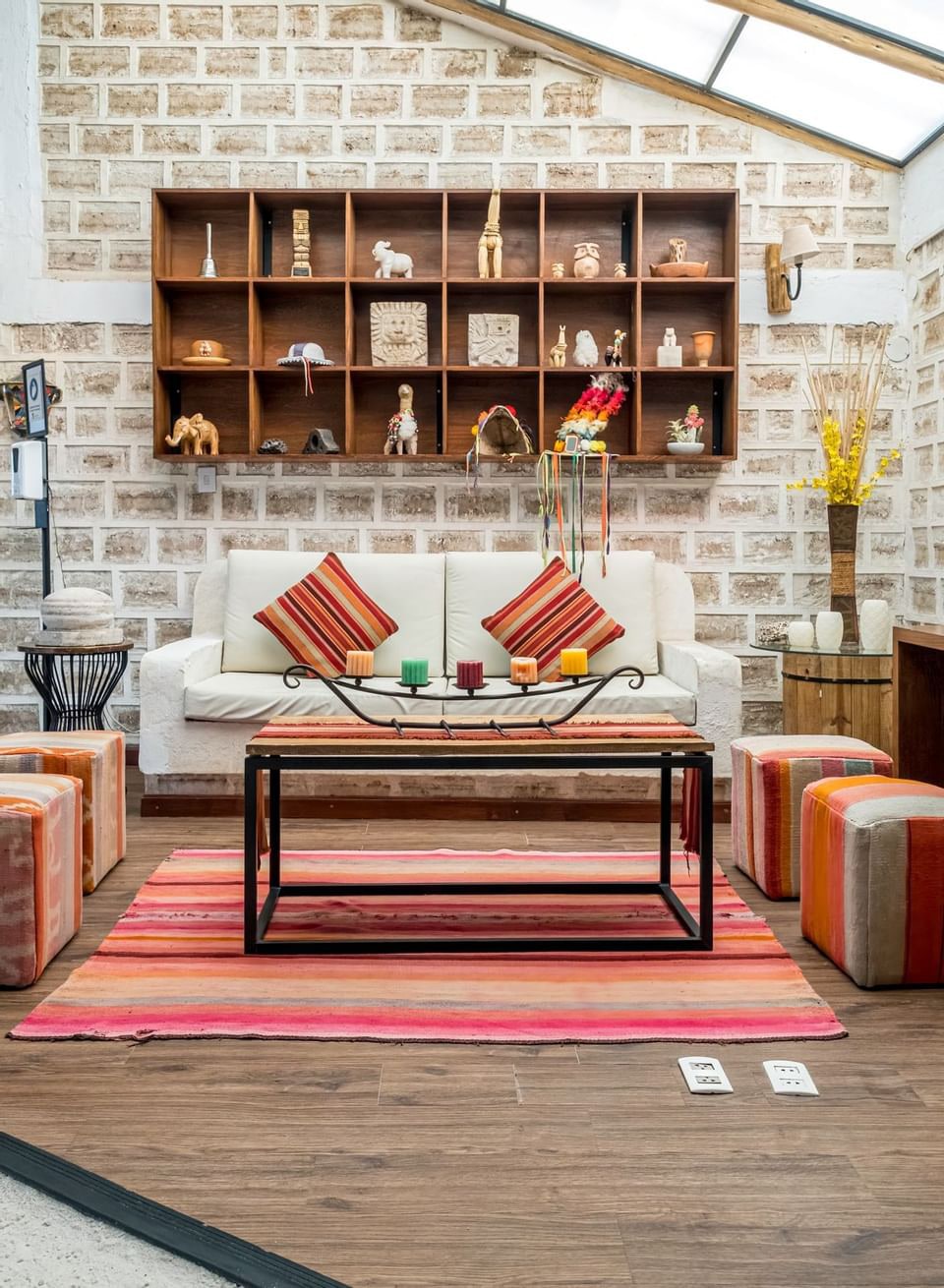
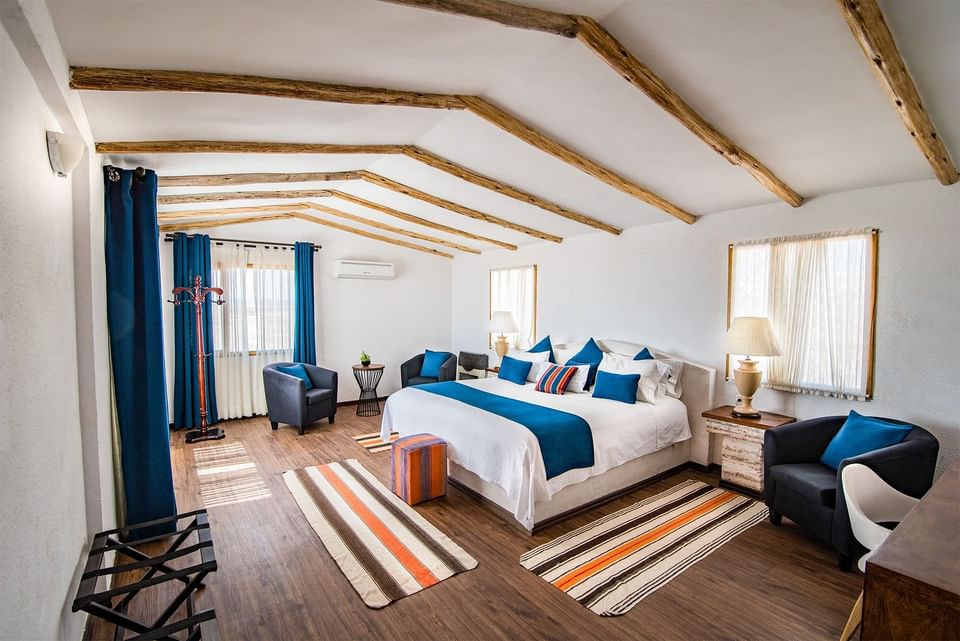
This is a multi-accommodation workshop, and although we use some of the best accommodation possible in Colchani (Salar de Uyuni) and San Pedro, we also have to use hostels and basic hotels (Sajama and Sud Lipez) due to how remote the locations are. These accommodations may be very different to what you might be accustomed to.
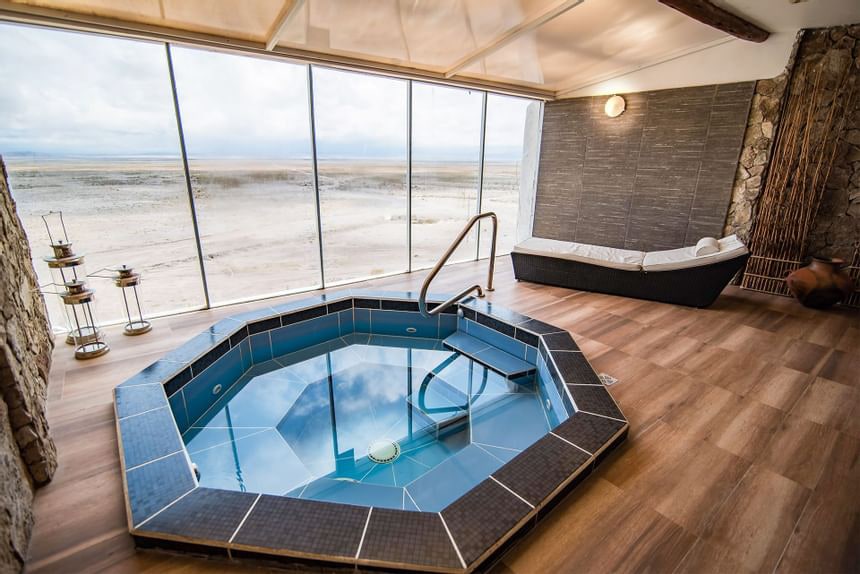
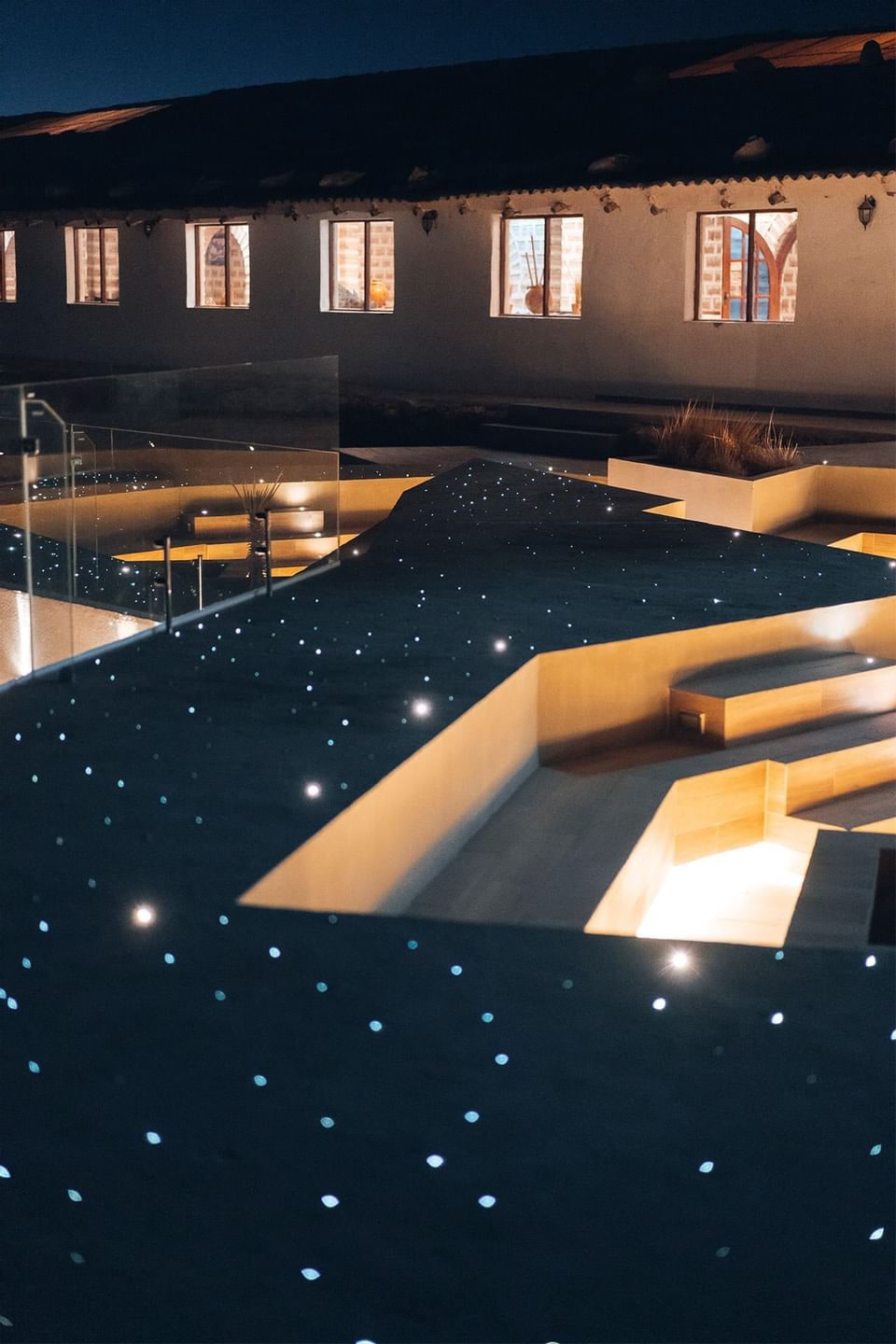
Hotel de Sal Luna Salada in Colchaini is the best accommodation within the Uyuni region and is situated right on the edge of the Salar de Uyuni. Waking up and gazing out at the flattest place on Earth is incredible. Rooms here are two single beds, with two people sharing, or a supplement for your own room (if available). We stay in this incredible hotel for 3 nights.


Travel Information
Travelling to La Paz
La Paz is not the easiest destination to reach, but there are several viable international and regional flight options to El Alto International (the airport serving La Paz):
Via Chile: Santiago de Chile is a major hub with direct flights from Madrid, Paris, London, Sydney, Auckland, and numerous cities in the U.S. and Canada. From Santiago, LATAM operates direct flights to La Paz 2–3 times per week, typically on Thursdays and Saturdays. Alternatively, connections can be made via Santa Cruz (Viru Viru) with BOA or LATAM, or via Lima on various carriers..
Multiple cities across the US, Australia, New Zealand, Argentina, Brazil, and Peru offer direct flights to Santiago.
Within Bolivia: There are daily flights to La Paz from most major Bolivian cities, operated primarily by BOA (Bolivian Airways).
Via Santa Cruz (Viru Viru International Airport): Direct international flights are available from Madrid and Miami.
Via Peru: There are usually daily flights from Cusco to La Paz with Avianca. Cusco is well-connected to Lima, which in turn has multiple international connections.
Via Santa Cruz (Viru Viru International Airport): Direct international flights are available from Madrid and Miami.
Via Colombia: Bogotá has direct flights from several U.S. cities and from Paris with Air France. From Bogotá, Avianca operates several flights per week to La Paz.
Transfers
Inbound
Santiago, Lima, Bogota, and Miami all have direct flights to La Paz (El Alto International). From there, there are daily flights with Bolivian Air to Uyuni (Joya Andina International Airport).
If you require a stopover in La Paz, we reccomend, and partner with the MET Hotel and they will also organise your transfers from, and to the airport.
However, if you wish to explore La Paz, a more central location may be better suited.
Outbound
You will need to book a flight from Calama Airport (El Loa) to Santiago, Chile.
Bolivia and high-altitude
Everyone acclimatises differently to high altitude and it is highly recommended that as much time as possible is spent at high altitude prior to the workshop using cities such as Sucre and La Paz. Although Sucre is not included in the workshop, the centre is a beautiful city with colonial-era architecture and an array of good restaurants and several sunset spots. The city is nestled amongst the mountains at an altitude of 2900m and makes an ideal stopover for a few days.
Disclaimer
Due to the high-altitude nature of this workshop, signing a small disclaimer will be required indicating it is the participant’s responsibility to make sure they have adjusted to the altitude pre-workshop, and no refunds can be made for anyone that feels too unwell to participate due to altitude sickness.
This itinerary is subject to change without prior notice once the tour commences according to weather conditions, strikes, roadblocks, or force majeure events which are beyond our control. We will adjust locations to work around any such instances.
Please contact us regarding further information on altitude, flights, additional nights in the Atacama, or the workshop in general.
Other hostels. During our visits to Sajama National Park and our journey through the Sud Lípez region, the guides will source the best possible accommodation options. Rooms are typically shared, and hostels are extremely basic—often more so than what you may be accustomed to, unless you’ve previously travelled in remote areas.
For our last night in San Pedro, we use the Casa Don Tomas, one of the best in town. We also use the new annex, which houses the best rooms in the hotel.
Local Region
The Bolivian Altiplano (Central Andes) is a vast high plateau and extreme environment due to altitude. The rainfall falls between November and March (sometimes overlapping into April) and fills the Salar de Uyuni knee-deep with water. The Salar is the flattest place on earth and a vast salt pan, creating reflections in the still water giving it the name of the “World’s Largest Mirror”.
The endless plains and volcanic peaks combined with surreal pastel colours and herds of llama, vicunas, and flamingos in the altiplanic lagunas make this ethereal region a photographer’s paradise.
Please note this specific 2028 Bolivia Photography Tour operates at the end of the wet season to capitalise on the night skies instead of the water within the Salar de Uyuni. The water has usually evaporated on the salt flats by late April so we can visit Isla Incahuasi, however, on occasion it lasts longer, and there could be clouds in Sajama National Park.
Workshop places are available
2028 Bolivia Astrophotography Photo Tour Summary
The Bolivia Workshop focuses on landscape astrophotography, landscape photography and wildlife.
Location: Bolivian Altiplano = La Paz, Sajama National Park, Uyuni, Salar de Uyuni, Sud Lipez.
Price: Full price £5800 / Deposit £1800/Single Supplement = £800.
Date: 18th April 2028 – 30th April 2028
Duration: 12 nights/13 days
Maximum Group Size: 8
Tutors: Tutor: Ollie Taylor
Accommodation: Salt Hotels, Hostels, Desert Hotels
Information: £800 Supplement = 3 nights Salt Hotel, 1 night Uyuni, & 1 night San Pedro only; we make requests for single rooms in the other hostel stops, but this depends on availability)
BOOK YOUR PLACE
If there are spaces left, you can book your place on this photography tour below.
Any questions? Please click here to contact Ollie Taylor.
Additional information
| Course Payments | Full Price, Deposit |
|---|---|
| Group Courses | Deposit |