
Canaries Winter Astrophotography
Price range: £1,200.00 through £3,900.00
December 9th 2025 – December 19th 2025: SOLD OUT – This combined workshop in Tenerife and La Palma offers expert guidance in landscape astrophotography, nightscapes, and basic time-lapse techniques. Capture dramatic mountain vistas and starry skies by day and night, with comfortable accommodation in private villas on the islands’ contrasting coasts: Tenerife’s south and La Palma’s remote, dark west.
Description
TENERIFE & LA PALMA ASTROPHOTOGRAPHY WORKSHOP
Astrophotography Workshop
9th December 2025
2025 TENERIFE & LA PALMA ASTROPHOTOGRAPHY WORKSHOP
This combined workshop in Tenerife and La Palma offers expert guidance in landscape astrophotography, nightscapes, and basic time-lapse techniques. Capture dramatic mountain vistas and starry skies by day and night, with comfortable accommodation in private villas on the islands’ contrasting coasts: Tenerife’s south and La Palma’s remote, dark west.
Tutor: Ollie Taylor
PRICE
Full Price £3900
Single occupancy
DATES & AVAILABILITY
Duration – 10 Nights
PARTICIPANTS
Group size 6
Tutor: Ollie Taylor
EXERTION LEVEL
LOCATION
Tenerife & La Palma
Canary Islands
ACCOMMODATION
Private villa & hotels
(Single occupancy rooms unless otherwise requested)
Landscape Photography Tuition
The winter Canaries will predominantly focus on astrophotography, however sunsets and low light evening landscapes will be incorperated
Nightscape Photography Tuition
This workshop focuses on multiple landscape astrophotography, and astrophotography techniques including time-lapse
Expertise
The winter Canaries is aimed at photographers with some astrophotography experience wanting to broaden their portfolio beyond the Milky Way Core
Contact Form


ASTROPHOTOGRAPHY WORKSHOP INFOMATION
La Palma and Tenerife, two of Spain’s Canary Islands, are renowned for their exceptional conditions for astrophotography. These islands boast some of the clearest and darkest skies in the world, largely due to their geographic location, high altitudes, and strict light pollution controls.
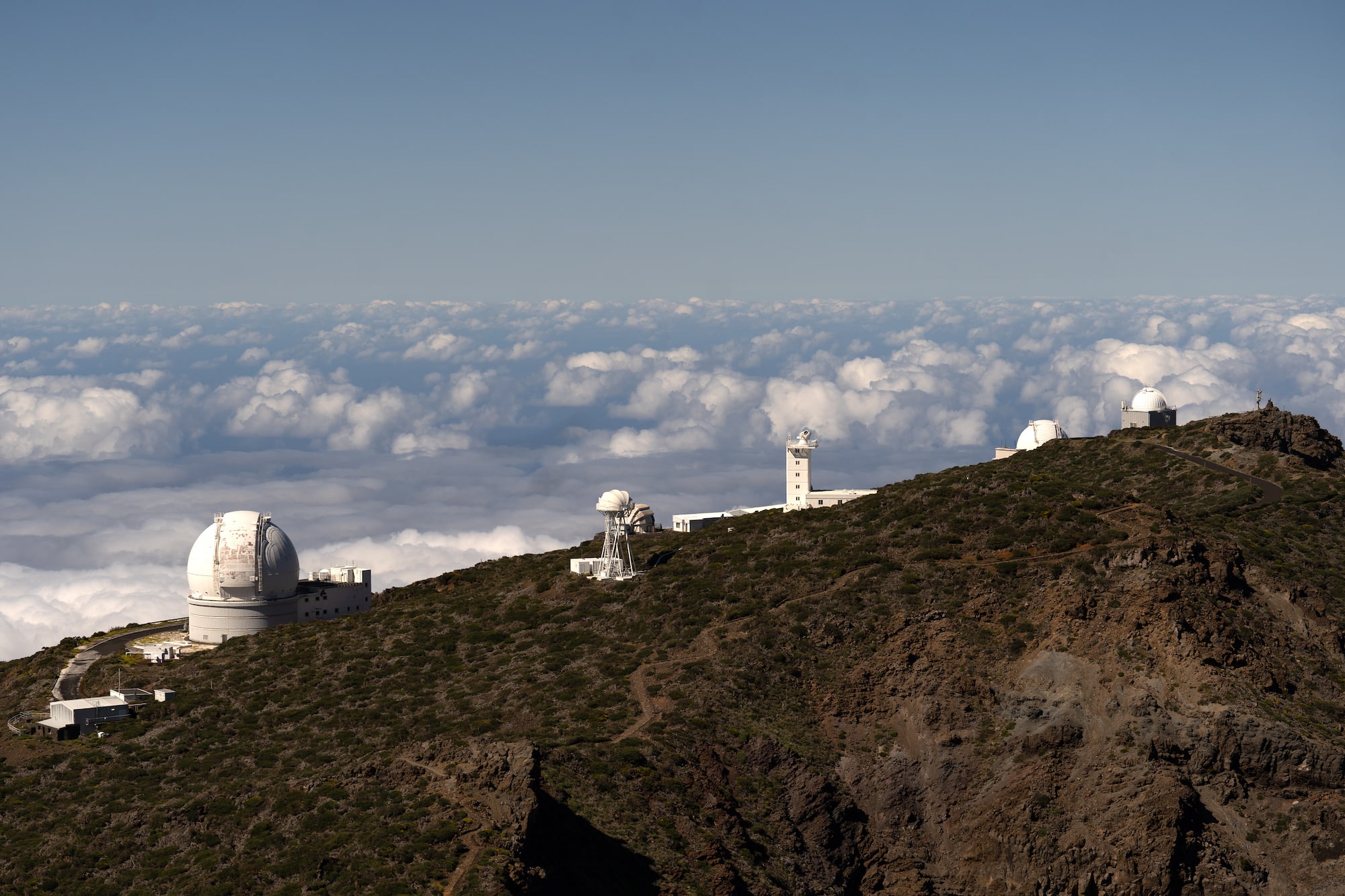
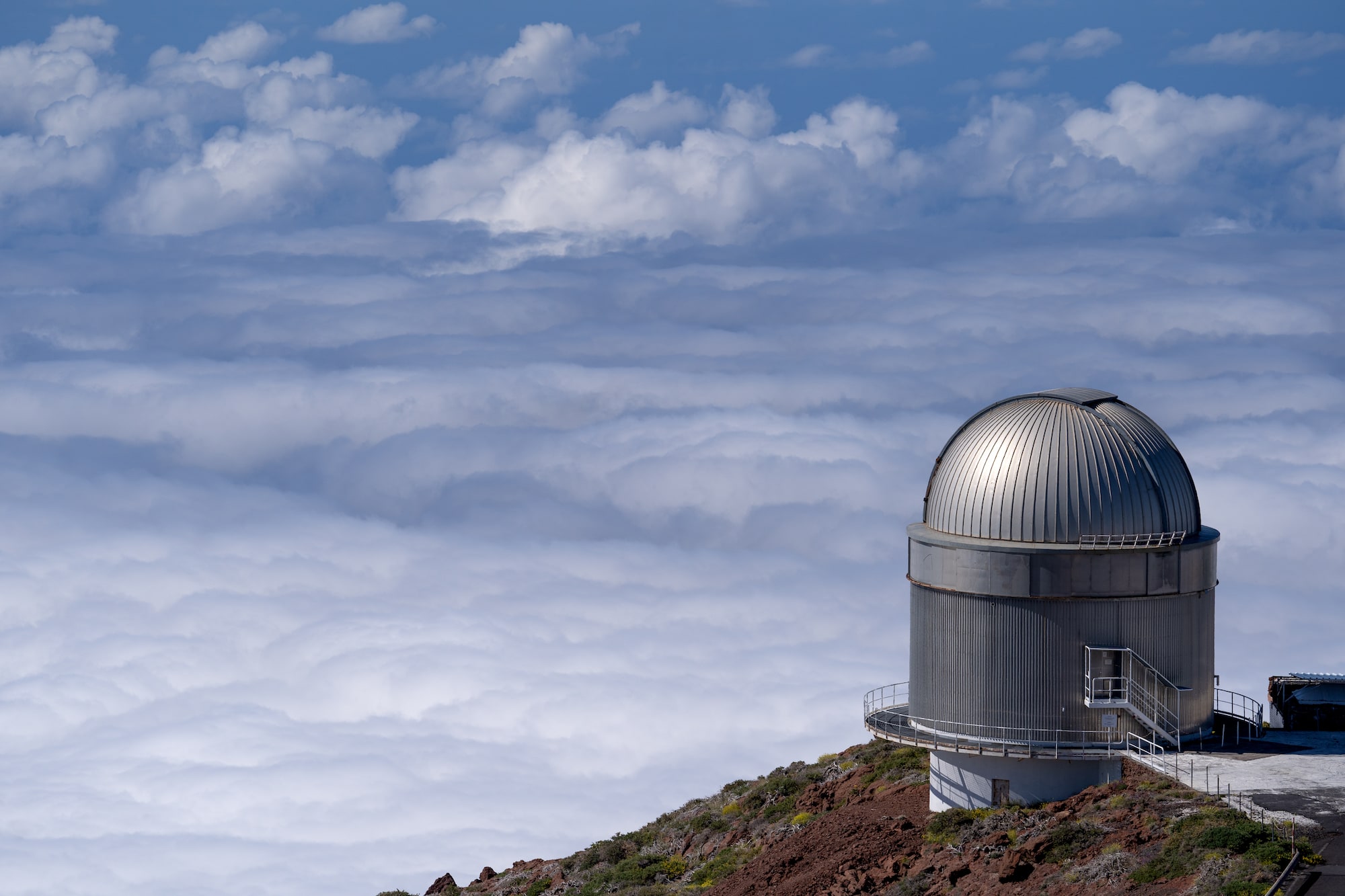
La Palma is home to the Roque de los Muchachos Observatory, one of the premier astronomical observatories globally, perched atop a volcanic peak.
Tenerife, with its Teide Observatory on Mount Teide, offers similarly breathtaking opportunities for capturing the cosmos. Both islands attract astrophotographers and astronomers alike, providing unparalleled views of the Milky Way, distant galaxies, and other celestial wonders.
The tour includes the return ferry crossing from Tenerife to La Palma and back.
BOOK YOUR PLACEASTROPHOTOGRAPHY WORKSHOP – STRUCTURE
An astrophotography workshop focusing on the Geminids meteor shower and winter constellations offers a unique opportunity for photographers to capture some of the most spectacular celestial events of the year.
Hosted in mid-December, when the Geminids peak, the workshop is typically set in a remote location with dark skies and minimal light pollution, ensuring optimal conditions for night sky photography, Zodical Light also starts to make an appearance at this time of year..
Participants learn advanced techniques to photograph the meteor shower, capturing the brilliant streaks of light as they dart across the sky.
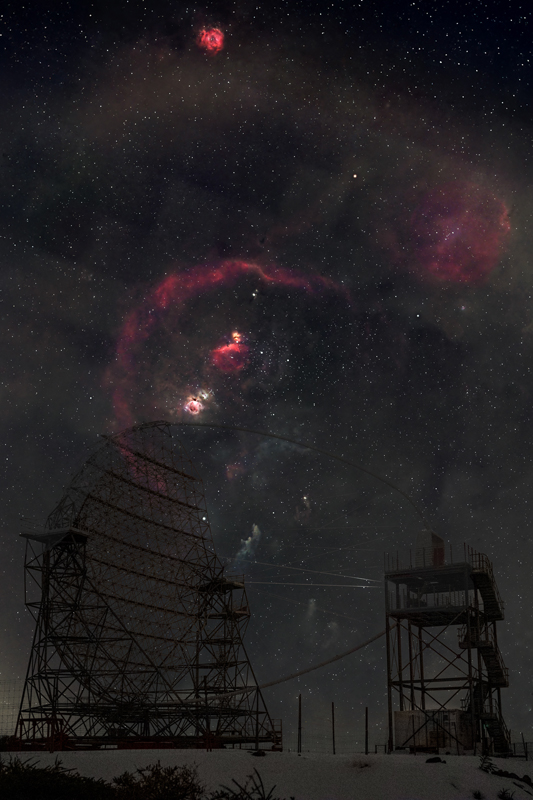
Additionally, the workshop covers the winter constellations, like Orion and Cygnus, and the visible part of the winter Milky Way galaxy alongside the Andromeda (Messier 31/M31) galaxy. The workshop will also look at post-production techniques that draw nebula and the magenta colour out of the images captured, in light of this, an astrophotography modified, or full spectrum camera and filters are highly advantageous, but not essential.
There will be a mix of finishing times on the mountain and coastal locations with some very late nights required. The workshop includes multiple post-production sessions in the afternoons.
The workshop starts and ends in Tenerife as this island has superior transport links. We spend the first night on the island, and undoubtedly a taster session of astrophotography on Teide the first night, before setting sail the next afternoon to La Palma.
As amazing as Tenerife is, La Palma is a designated international starlight reserve for a reason, so this is where the bulk of the action takes place as we spend 6 nights on the island. After this, we spend 3 nights back on Tenerife enjoying its mild climate by day and volcanic rock formations by night.
Astrophotography Workshop Locations
The fieldwork predominantly takes place on Mount Teide National Park and atop the caldera around the Roque de los Muchachos ridge area looking down on the Caldera de Taburiente national park.
Although we visit some coastal locations, most of our working locations are at an altitude of 2000m – 2400m above sea level.
The Astrophotography Workshop Covers the Following Core Topics
Multiple exposures and blending for meteor images
Timelapse
Different focal lengths and calculations
Stacking & star trackers
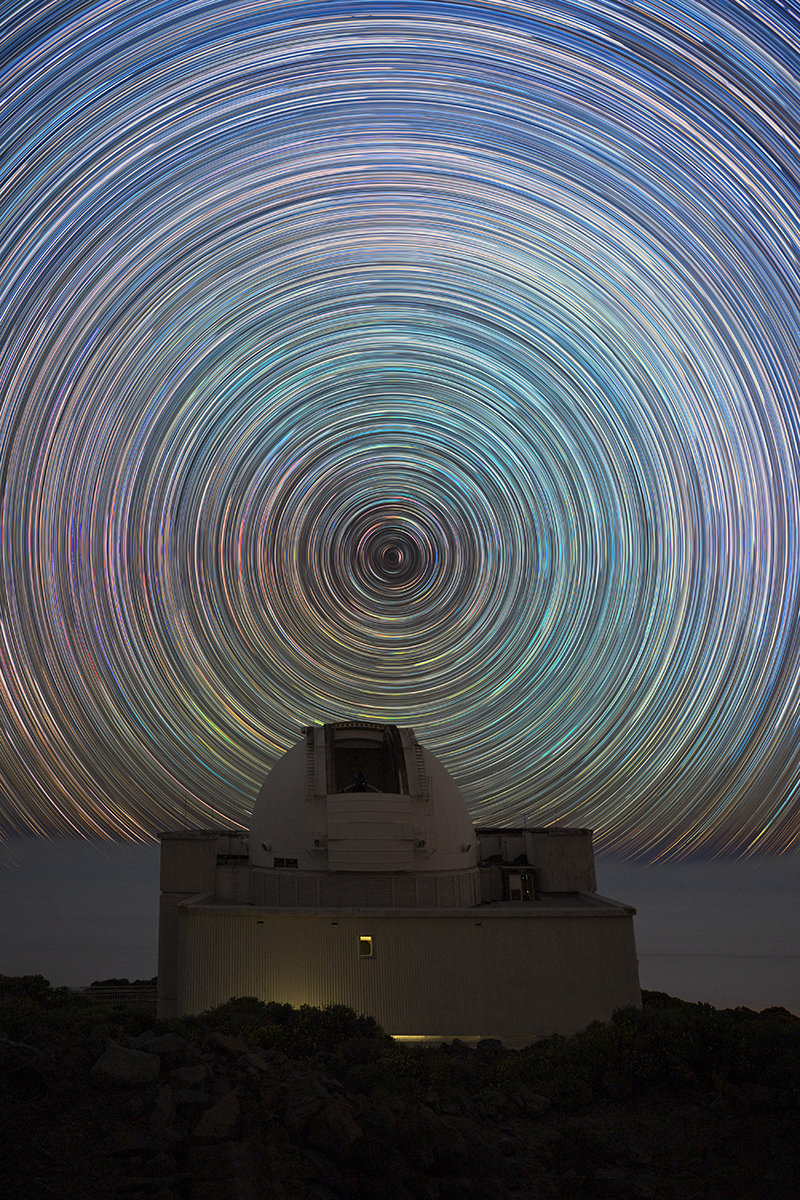
Star trails & vortex star trails
Filter effects and winter constellations
Nebula locations and photogrpahy
RGB Editing for nebula (astro-modified cameras; not required for workshop)
In-depth night sky and location planning on Photopills, Stellarium, light pollution maps & other resources
Post-production using Photoshop, Lightroom, plugins, PTGui, Sequator, Starry Landscape Stacker, and StarStax.


ASTROPHOTOGRAPHY Fieldwork Equipment
Full frame, crop sensor, and micro four-thirds can be used, alongside larger format cameras; however, as technology and therefore techniques and workflows advance, it is recommended the camera body has an absolute minimum ISO 12800/25600.
- Camera body (x 2 recommended)
- A camera body that can power from a power bank if wishing to undertake star trails/timelapse
- Large power bank
- Wide lens (fast if possible but F4 can be used if the camera has high ISO capabilities)
- A range of focal lengths as fast as possible for more advanced photographers wishing to undertake longer focal length Astro work up to 300mm
- Tripod (x 2 recommended)
- Remote timer or long exposure bulb control built-in on the timer
- Star Tracker
- Multiple spare camera batteries
- Head torch with a red mode (this is not for night vision, it makes it easier to work as a group, and stops us from blinding one another)
- Winterproof clothes and layers, hiking boots/warm thermal snow boots
- (Winter workshops can see temperatures on the mountain tops range between 0° -10°with the wind chil factor to take into consideration.
- At sea level temperatures will average around 20° so some lighter clothing required for the day, including some light hiking wear for being out and about whilst the sun is still up.
- Accommodations have swimming pools (heated) and hot tubs for those wishing to use them.
Post-production & Planning Necessities
The planning and post-production are absolutely critical elements of nightscape photography, hence they have been included in group workshops since 2014. For those that don’t use Adobe and using other post-production software suites, it will be up to you to transfer the workflow to your chosen software suite; the second phase of the workflow requires software with layers (ie Photoshop or similar).
- Lightroom (please make sure this is Lightroom Classic)
- Photoshop (or another suite with layer options)
- Sequetor, Deep Sky Stacker, or Starry Landscape Stacker (or alternative stacking software)
- A means of putting timelapse together (LRT Timelapse recommended )
Other useful software that is often covered: PTGui, StarStax
- A laptop running the above ideally with a minimum of 8GB Ram (though 16GB Ram or over is recommended for advanced post-production)
Recommended apps that will be taught and demonstrated:
- Photopills (paid one-time subscription)
- Stellarium (free on desktop), free mobile version, the full mobile version now costs a fee
- Starwalk 2, Sky Guide or similar “what’s in the sky mobile/tablet application”
ASTROPHOTOGRAPHY Workshops FAQs
Ollie has been running Tenerife and La Palma Astrophotography workshops for several years, first setting up the Tenerife workshop in 2015, with La Palma following a few years later, giving him a decade of experience running tours on the islands. Ollie has been teaching astrophotography since 2013, rendering him amongst the first handful of landscape astrophotography tutors on the planet. His wealth of expertise is pivotal when it comes to designing and implementing new and exciting astrophotography tours across the globe. Read more about the tutor and workshops here.
The winter Canary Island workshop is a dedicated astrophotography workshop. Photographers will need to understand the basics of landscape astrophotography and be able to work on their own accord for periods of time as Ollie works with group members individually on different subjects. Participants will be looking to fine tune tracking techniques, progress onto different subjects other than the Milky Way core including deeper sky objects, and meteor shower timelapse, and stacking to a single image, alongside advanced planning, and post-production to include RGB for nebula.
All EU countries have freedom of movement which includes the Canary Islands as they are a Spanish archipelago. Participants from the UK do not need a visa at this point, though that is set to change in 2024. Most other countries will need a Schengen Visa.
The days at sea level will be mild to hot. The nights are cold due to the altitude and can range from 0°c to -10°c, there may also be wind and the chill factor this creates.
Some light clothing is required for the daytime and winter clothing is needed for the astrophotography work.
- Comfortable light hiking pants.
- Wind proof heavier duty hiking pants.
- Windproof overlayer/coat (thermal if possible).
- Base layers.
- Multiple thermal fleeces or underlayers that can be layered on one another.
- Thermal socks (feet always get cold first undertaking night photography).
- Hiking boots or trainers
- Hat/gloves/snood/scarf
- Sunscreen
Nice to haves!
- Hand warmers (throw away or electronic)
- Feet warmers/battery socks
- Lightweight neck scarf/snood (dust protection)
The hike up to the scopes takes between 15/30 minutes depending on fitness, and there are several parts of the trail we use that take around 30/40 minutes on lose to rough ground with some incline and declines. There will be some nights with very long hours under the stars on your feet or portable stool/chair.
The winter Canaries tour is self-catering, and we stock up in a more well-stocked supermarket and make journeys back there for fresh produce several times when needed. We also eat at local restaurants for lunch a couple of times and a group meal on the last evening.
WINTER ASTROPHOTOGRAPHY TOUR ACCOMMODATION
Accommodation
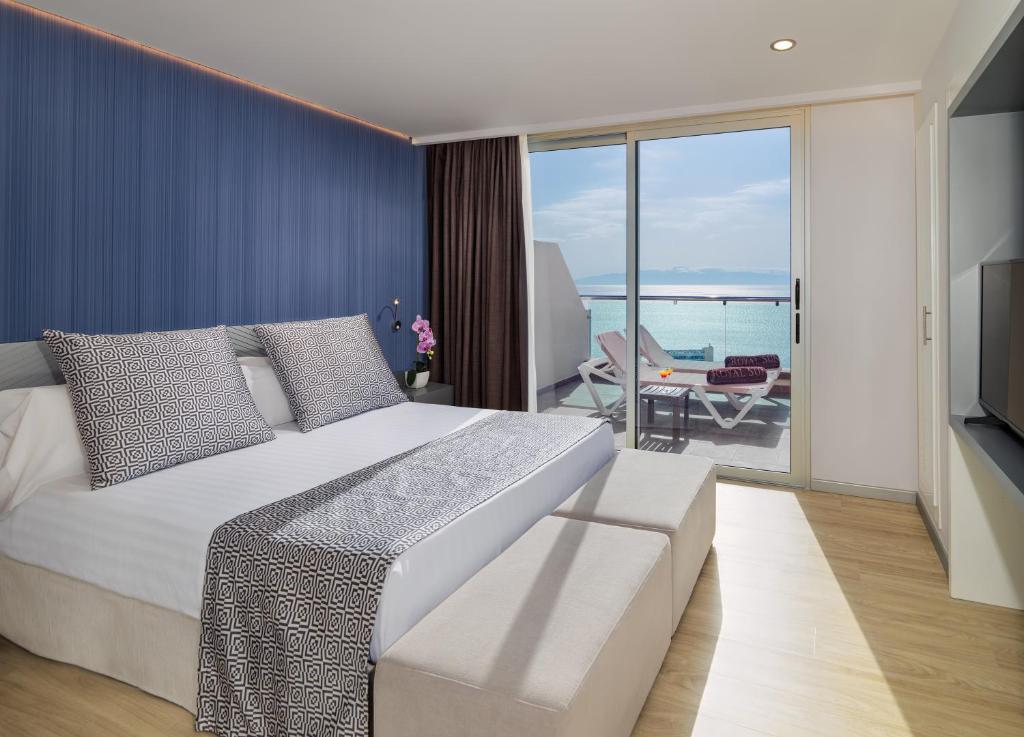
Tenerife: Ollie has used multiple villas and accommodations on Tenerife over the years for the tours, searching for the perfect fit, it’s not often we use hotels or resorts, but for this workshop, we will use an aparthotel situated near the easiest, the straightest road up mount Teide, and situated on Tenerife’s south west coast to make the most of the winter sun in a small quieter town than those further to the south. The apartments are 2 and 3 bedroom and have hot tubs, a communal pool and restaurant and fully loaded facilities to include a washer, dishwasher, and full cooking facilities.
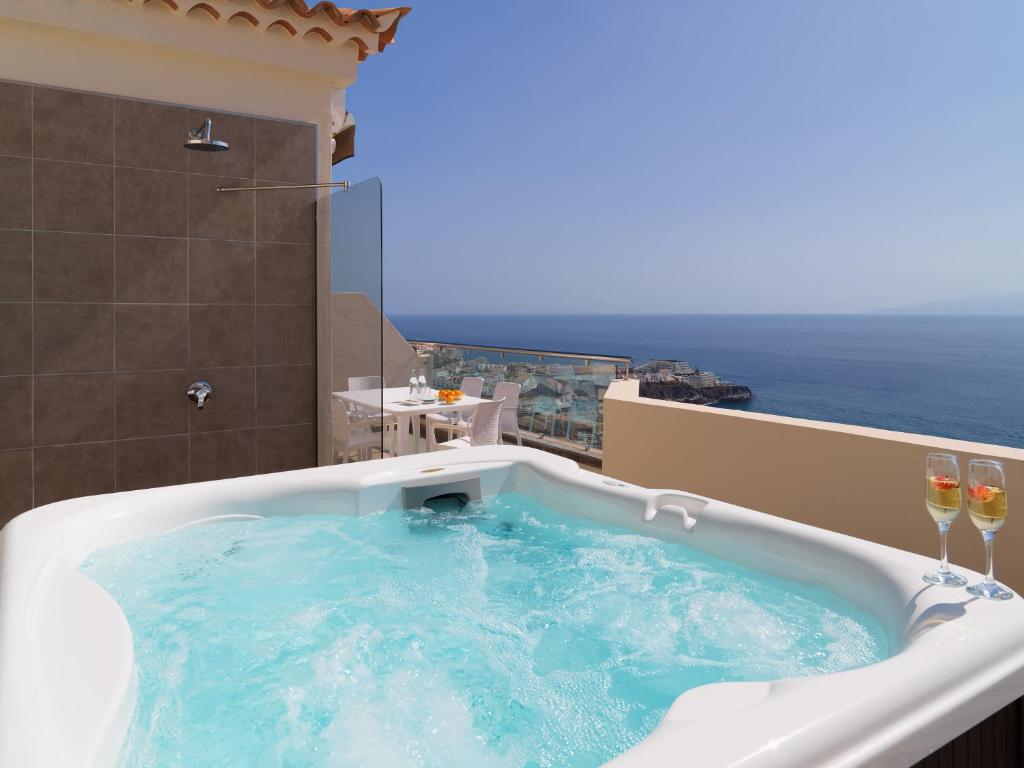

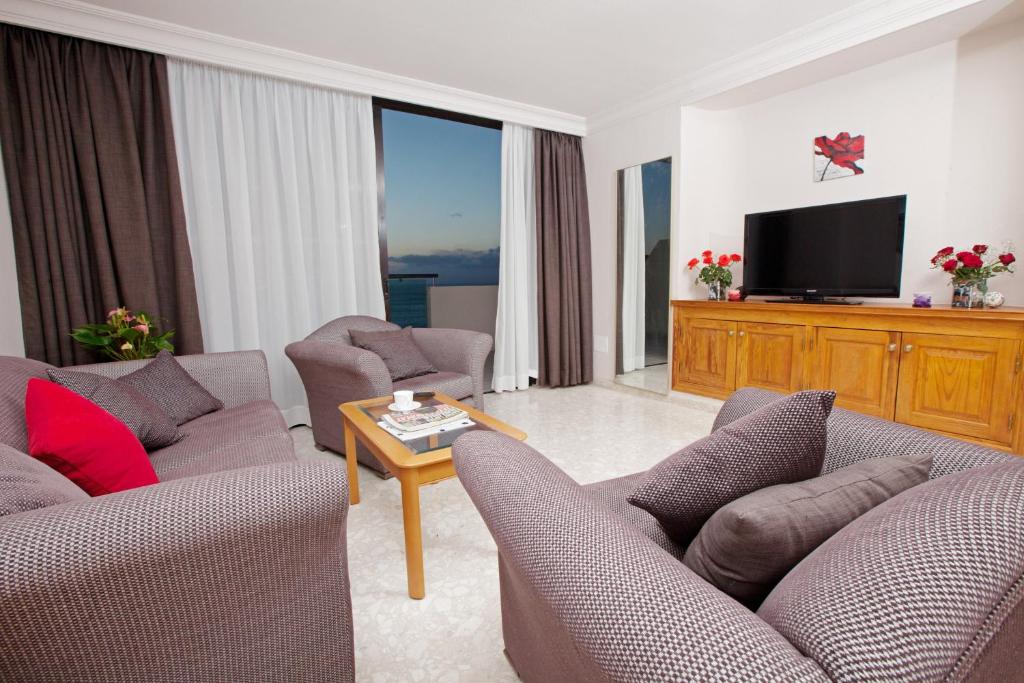
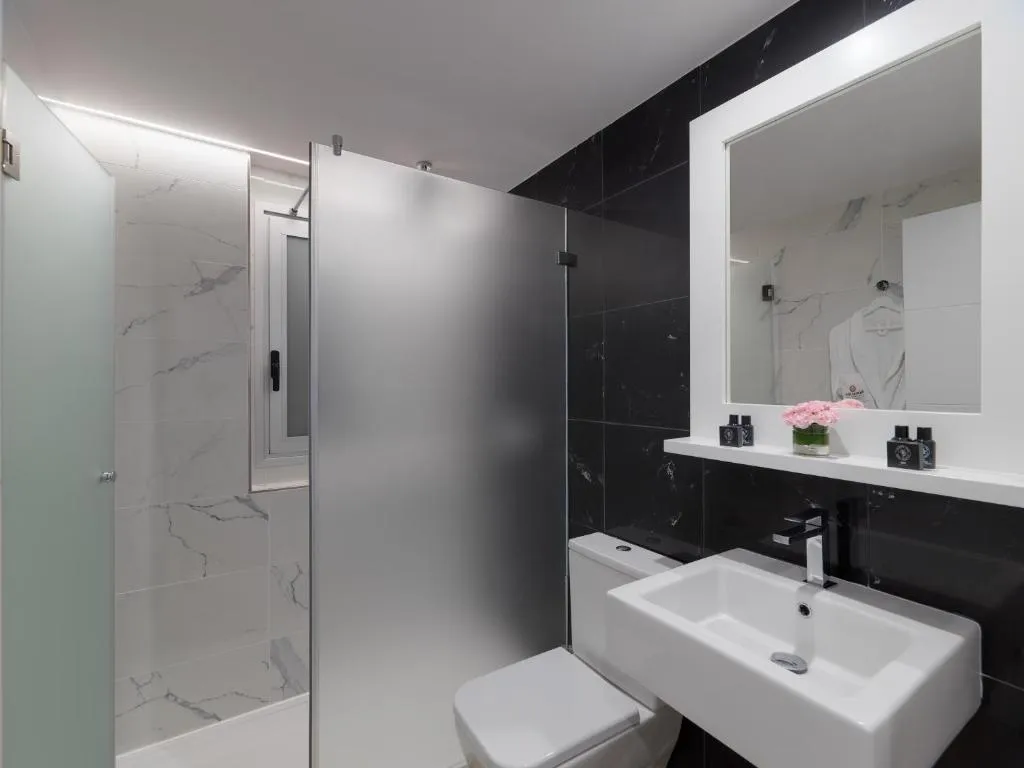
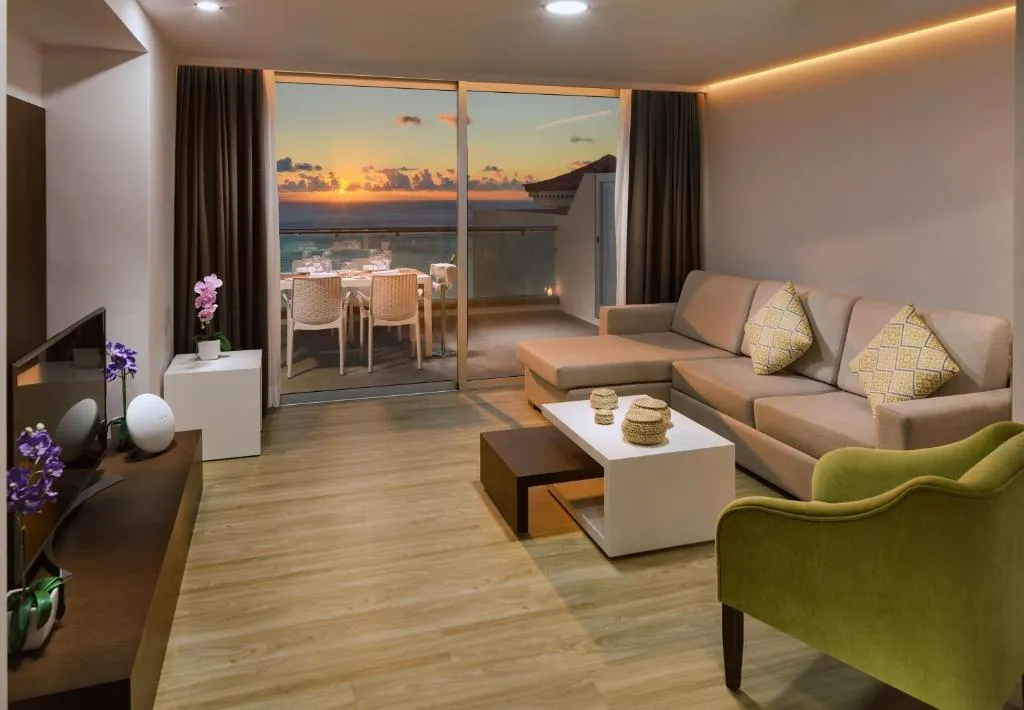
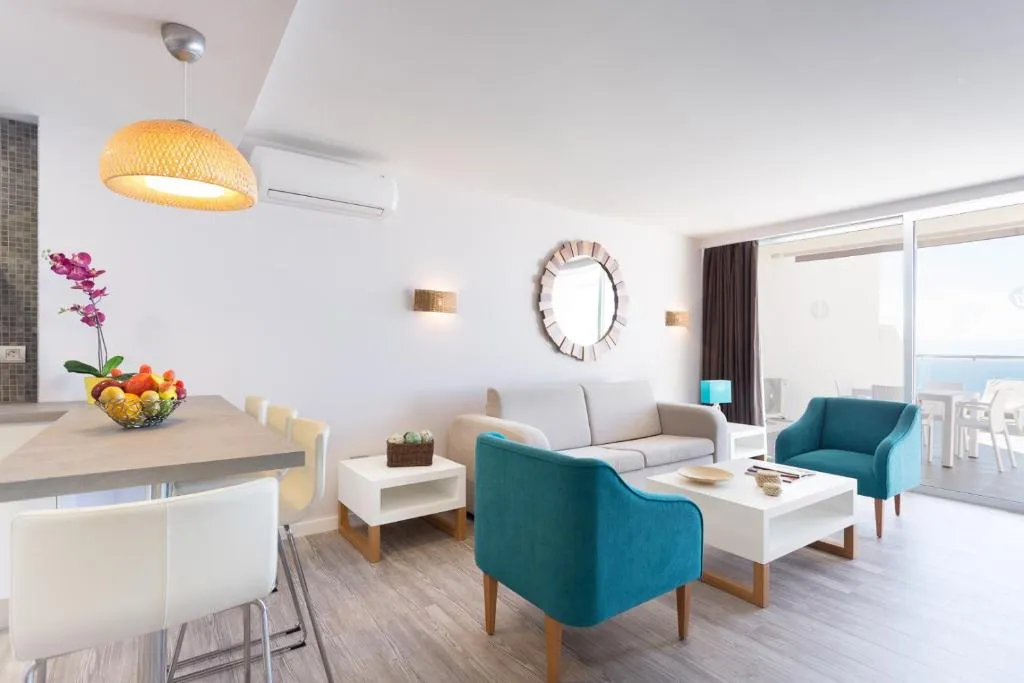
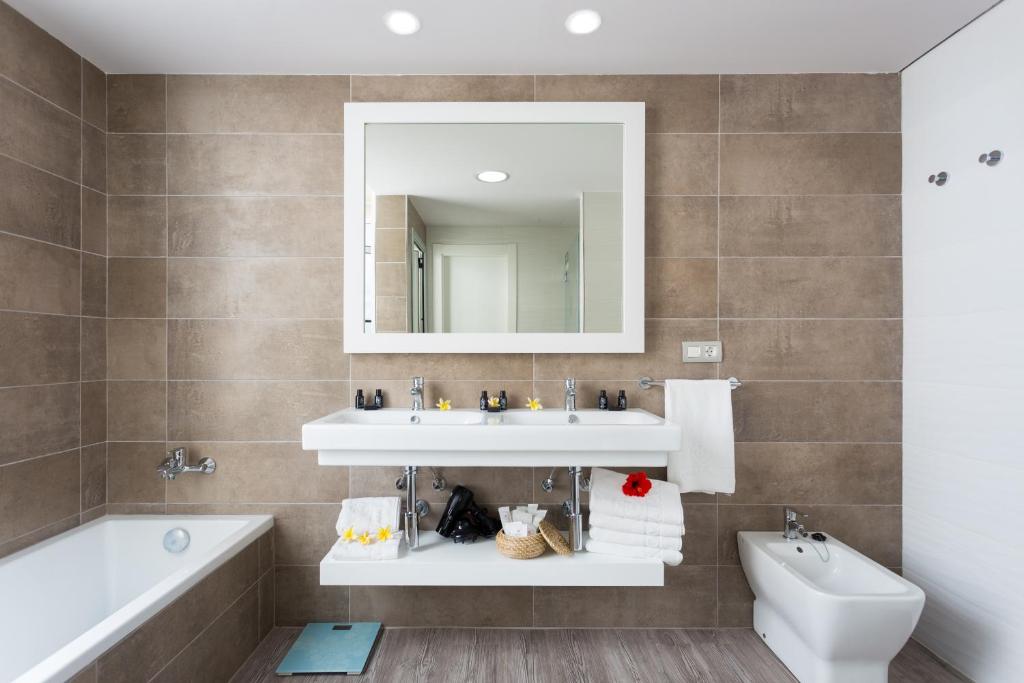
La Palma : A little more rustic than the neighbouring island of Tenerife, but that’s partly what gives the isle its charm. We use two traditional townhouses within the same complex, featuring a mix of single and double bedrooms, single occupancy, so no sharing rooms with 4 shared bathrooms. There is also a heated pool and jacuzzi with extensive beautiful views overlooking Santa Cruz and the east coast, deep sky photography is possible form the veranda/grounds.


La Palma (Isla Bonita) – 6 Nights
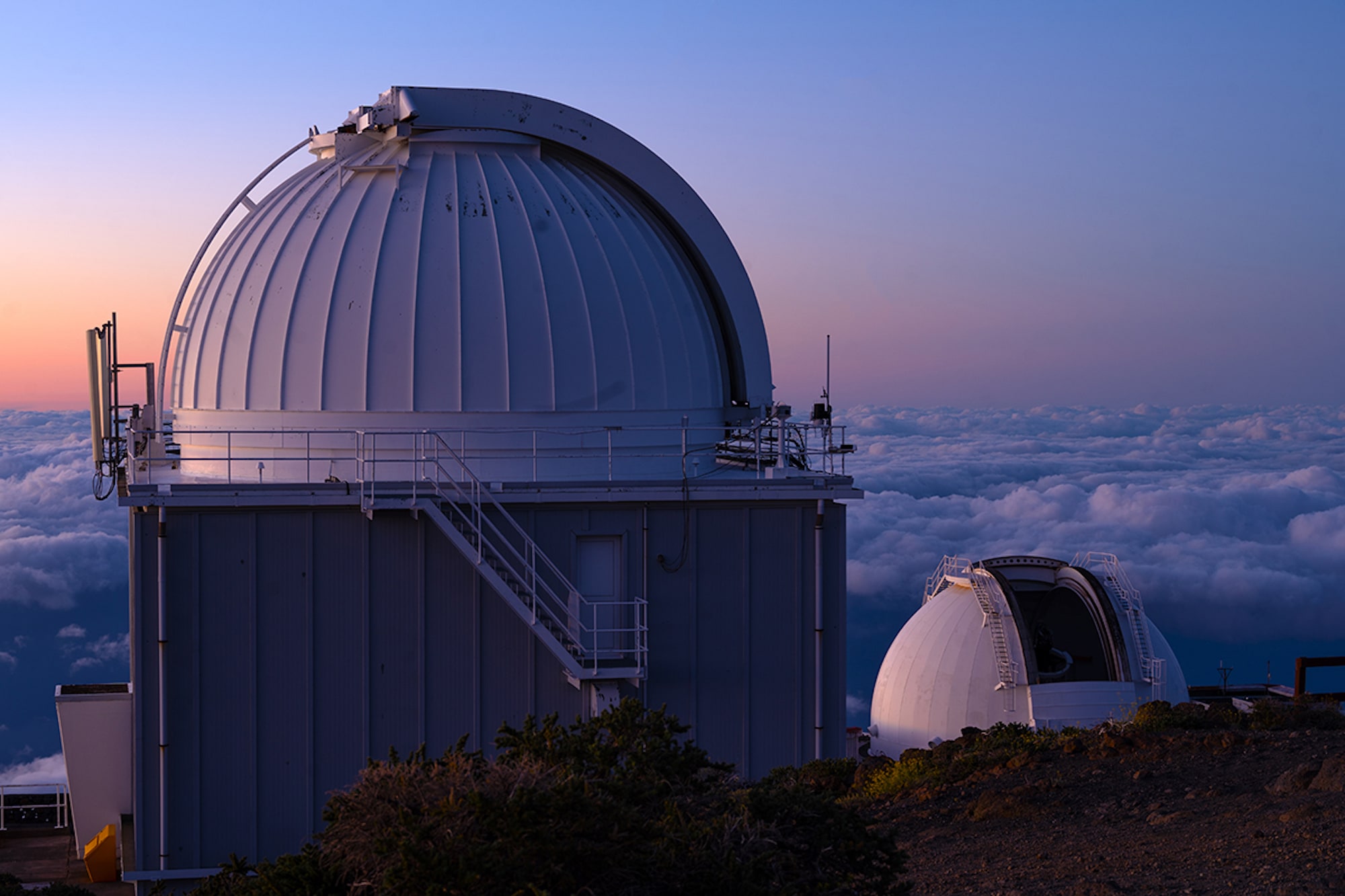
La Palma is a green and lush island apart from the area to the south which was the site of the recent eruption from the active Cumbre Vieja Ridge. However, we use the much taller ancient caldera ridge. The top of the Caldera de Taburiente National Park crater, which is also an international starlight reserve. The highest peak is Roque de los Muchachos at 2423m, home to the famous telescopes, which we always pay a visit to both night and day.
Tenerife – 1 & 3 Nights
Known for its tourist and beach resorts, Tenerife’s real gem is its high volcanic national park “Parque Nacional del Teide”, which boasts a Martian-like volcanic landscape that complements landscape astrophotography to the fullest, providing an abundance of foreground interest and excellent visibility of the cosmos. The cloud inversion (known locally as Belly of the Donkey) caused by the trade winds is also spectacular, and we get to photograph it from above during the golden and sunset hours.
CANARY ISLANDS TRAVEL
Travelling to Tenerife & La Palma:
Flights connect directly with Tenrerife to major cities in most European countries during December, there are also 3 flights a week from Newark (EWR) in the US.
We travel to La Palma by fast ferry, taking around 1.5 hours from the port of Los Cristianos. We take our minivan with us for a hassle free transfer and the tickets and crossing both ways are included in the workshop price.
Transfers:
Transfers are made between 12pm and 3pm from Tenerife South Airport (Reina Sofía Airport), or a hotel in this vicinity on the first date advertised on the workshop, and return transfers are made to arrive at the airport, or a hotel in the same region for approximately 12pm on the last date advertised.
FURTHER INFORMATION
Group emails are set up once the group is fully booked as an icebreaker, and also to serve as a Q&A platform.
Please note deposits are non-refundable and balances are due 120 days prior to the workshop commencing.
Please contact us for further info.
BOOK YOUR PLACE
If there are spaces left, you can book your place on this photography tour below.
If you have any questions please click here to contact us.
Additional information
| Course Payments | Deposit, Full Payment |
|---|




Reviews
There are no reviews yet.