TRAVEL ARTICLE
Uummannaq
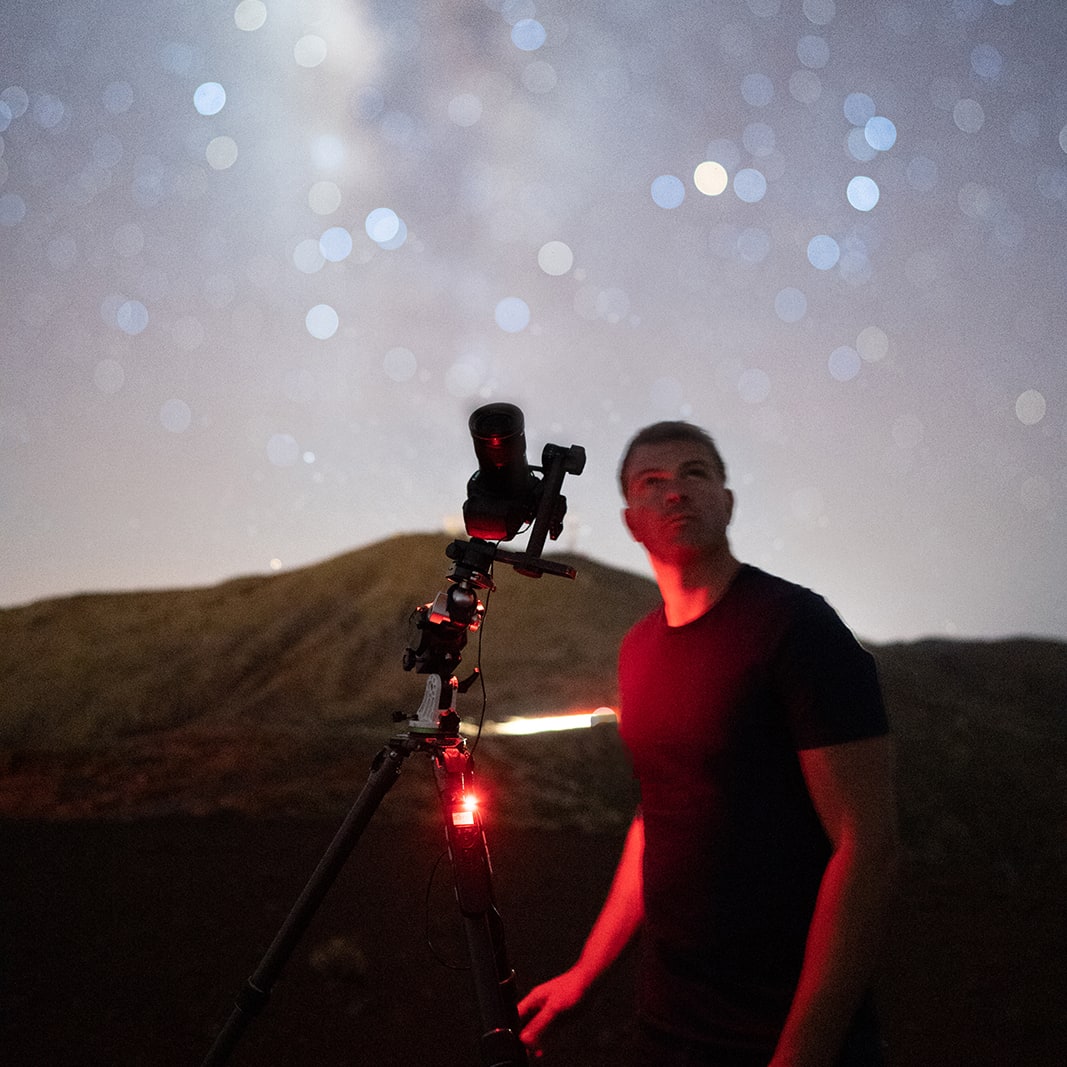
ARTICLE BY OLLIE TAYLOR ON 28 May 2026
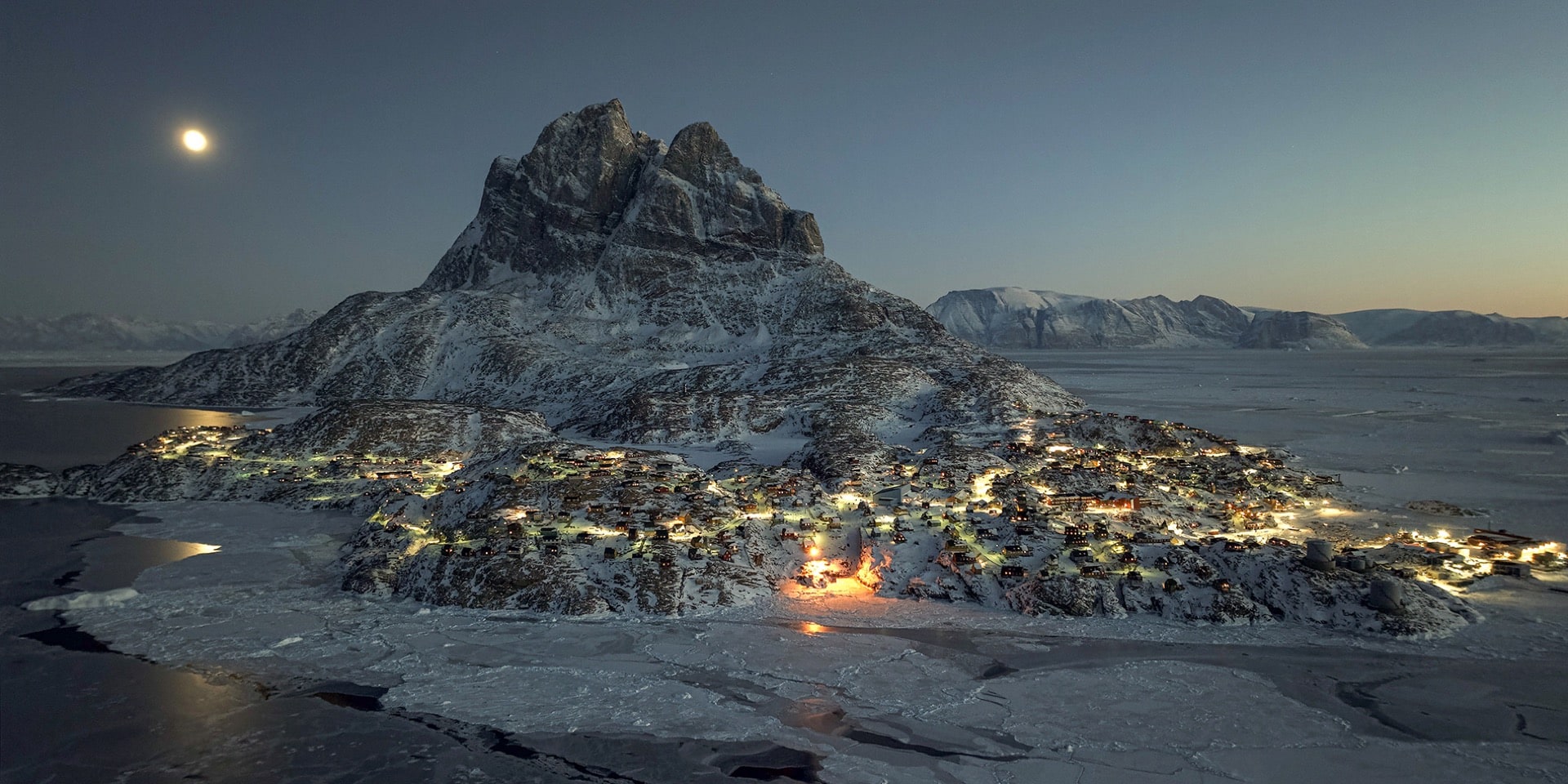
An Arctic island beneath a heart shaped mountain, where drifting icebergs, frozen fjords and colourful houses create one of Greenland’s most remarkable winter photography locations.
ARTICLE INDEX
Uummannaq Quick Facts
A small Arctic settlement surrounded by immense landscapes, where dog sleds still travel frozen fjords and towering icebergs drift through deep glacial waters.
Named after a heart
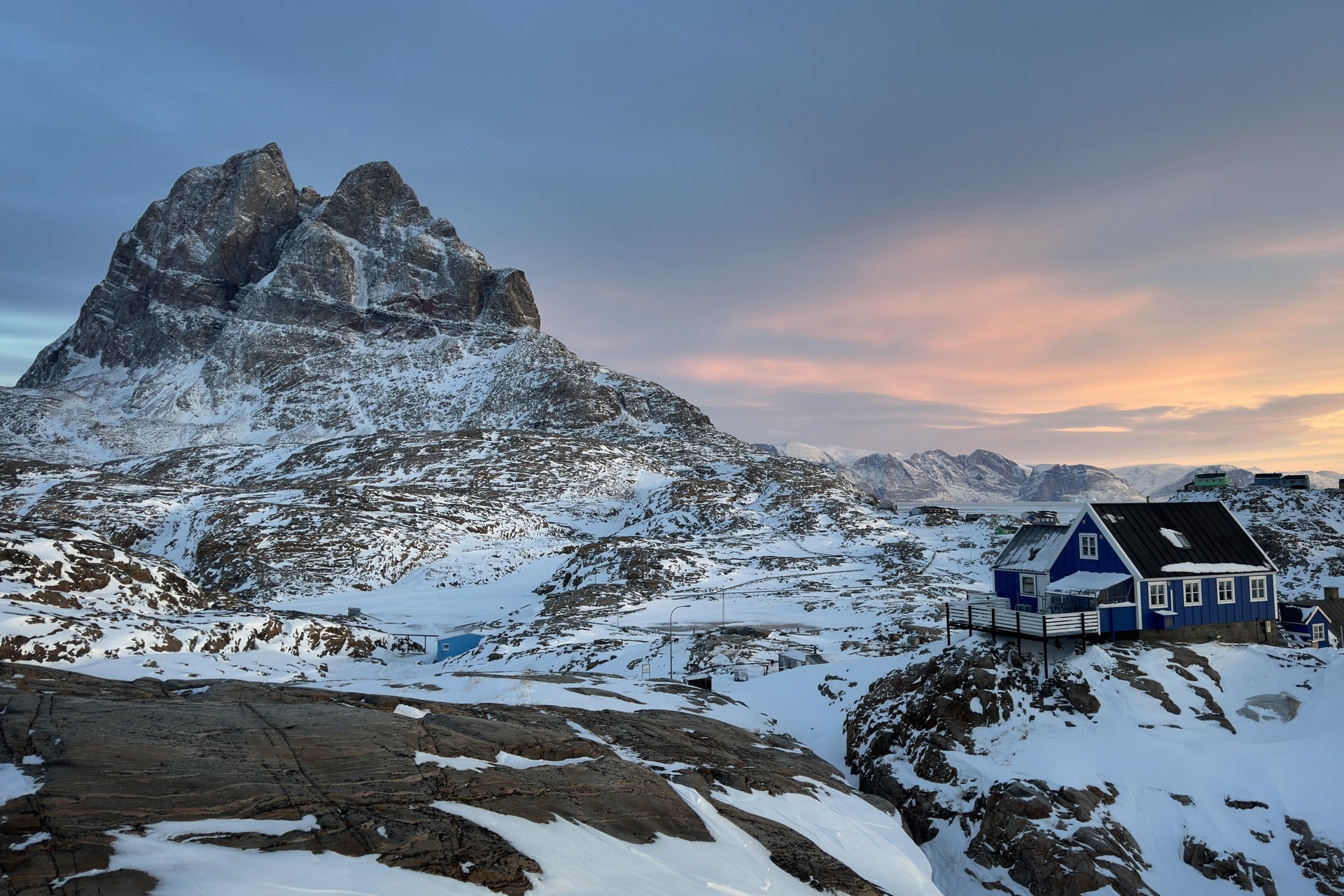
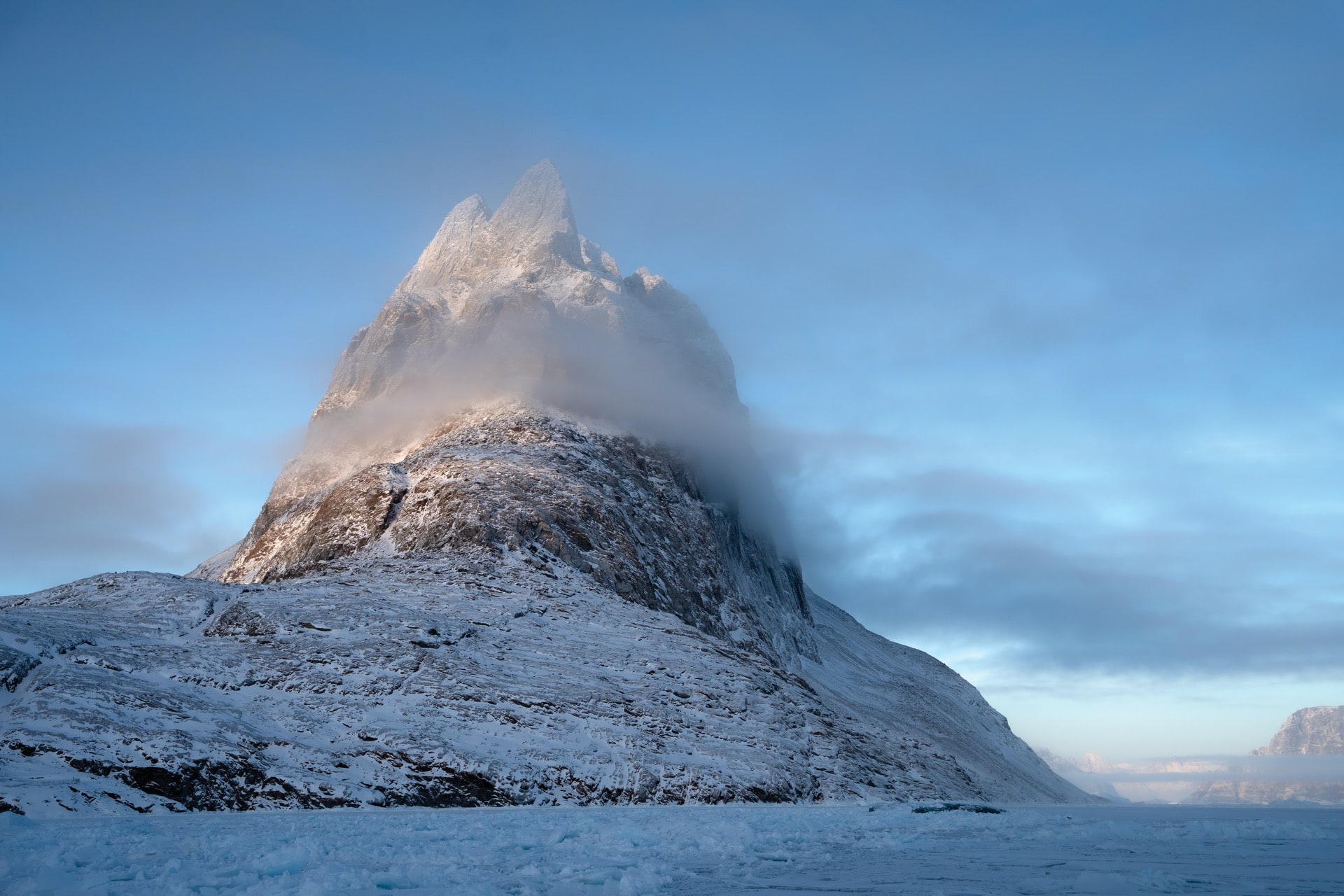
The town sits beneath Uummannaq Mountain, famous for its almost perfectly heart shaped summit. The name Uummannaq roughly translates to “the heart shaped one.”
Tiny Arctic settlement
Around 1,200 residents live here, making it one of Greenland’s most remote but culturally vibrant towns. Despite its small size it is still the 8th largest town in Greenland.
Home of Santa
The town famously claims to host Greenland’s official Santa Claus office, complete with a mailbox where children from around the world send letters.
Iceberg alley
The surrounding fjord system regularly fills with cathedral sized icebergs, many calved from glaciers further inland that feed the Uummannaq Fjord system.
A dog sled stronghold
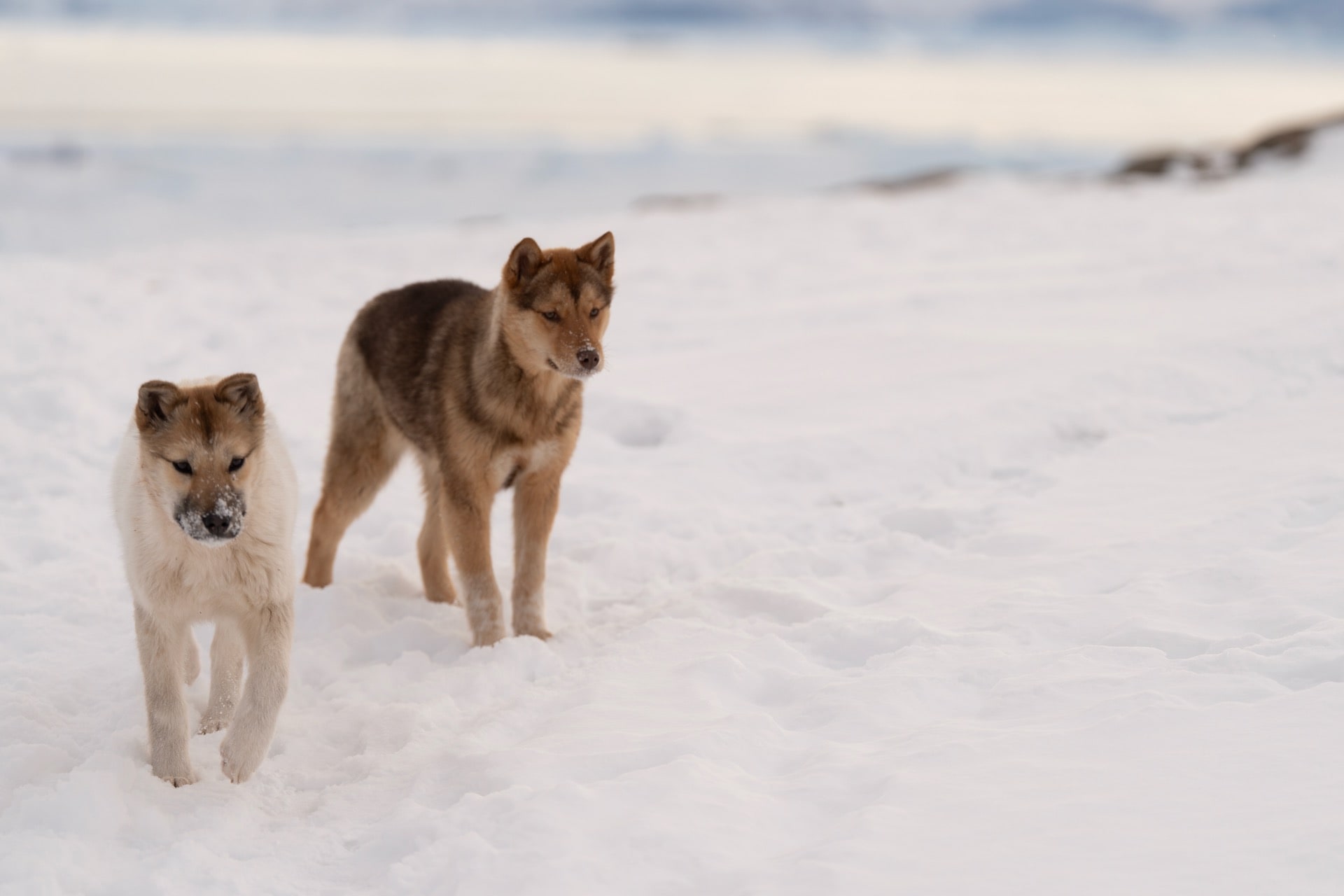
Unlike many parts of Greenland that have shifted toward snowmobiles, traditional dog sledding remains common here throughout winter.
Water from the lake
Much of Uummannaq’s fresh water comes from nearby Tasersuaq (Uummannaq Lake) which acts as a natural reservoir supplying the town.
Travelling to Uummannaq
Reaching Uummannaq is part of the experience. Aircraft and helicopters cross Arctic fjords before revealing one of Greenland’s most dramatic island settlements.
Even the journey into this northern frontier is jaw dropping. The usual winter route is by plane to Qaarsut, followed by a 15-minute helicopter hop across the fjord to the island of Uummannaq.
If you are lucky you may travel by helicopter for the entire journey, which is breathtaking. As the island appears in the distance after roughly 50 minutes, the landscape looks uninhabitable shrouded in it’s in an winter cloak.
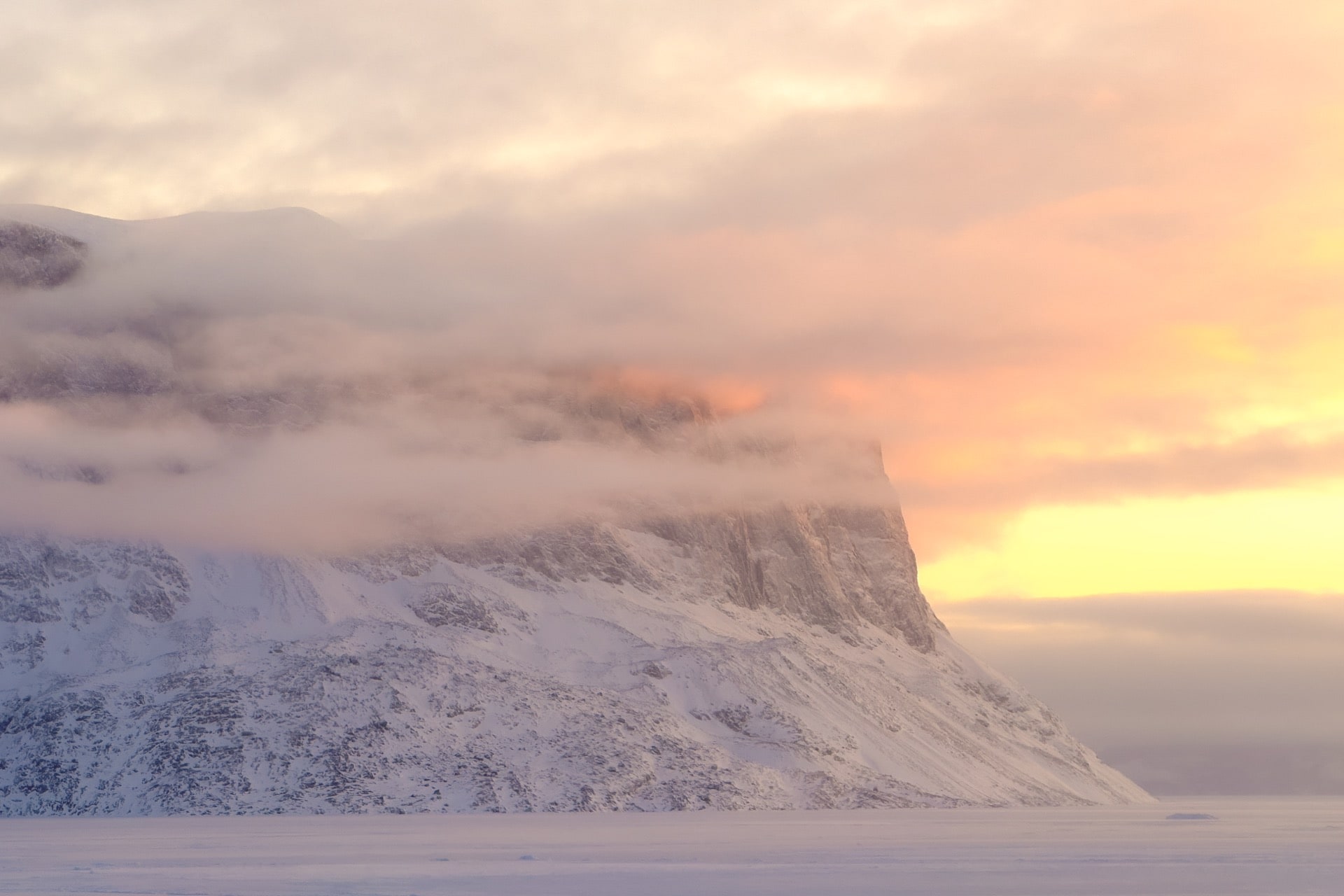
From afar it can appear almost uninhabitable. A surreal beauty dominated by the heart shaped summit of Uummannaq Mountain rising above the fjord and surrounding mountains.
If the weather is calm and clear the approach becomes even more spectacular. And if fortune is on your side there will be no delays.
For more information on travelling in Greenland during winter see How Easy is it to Travel Greenland in Winter?
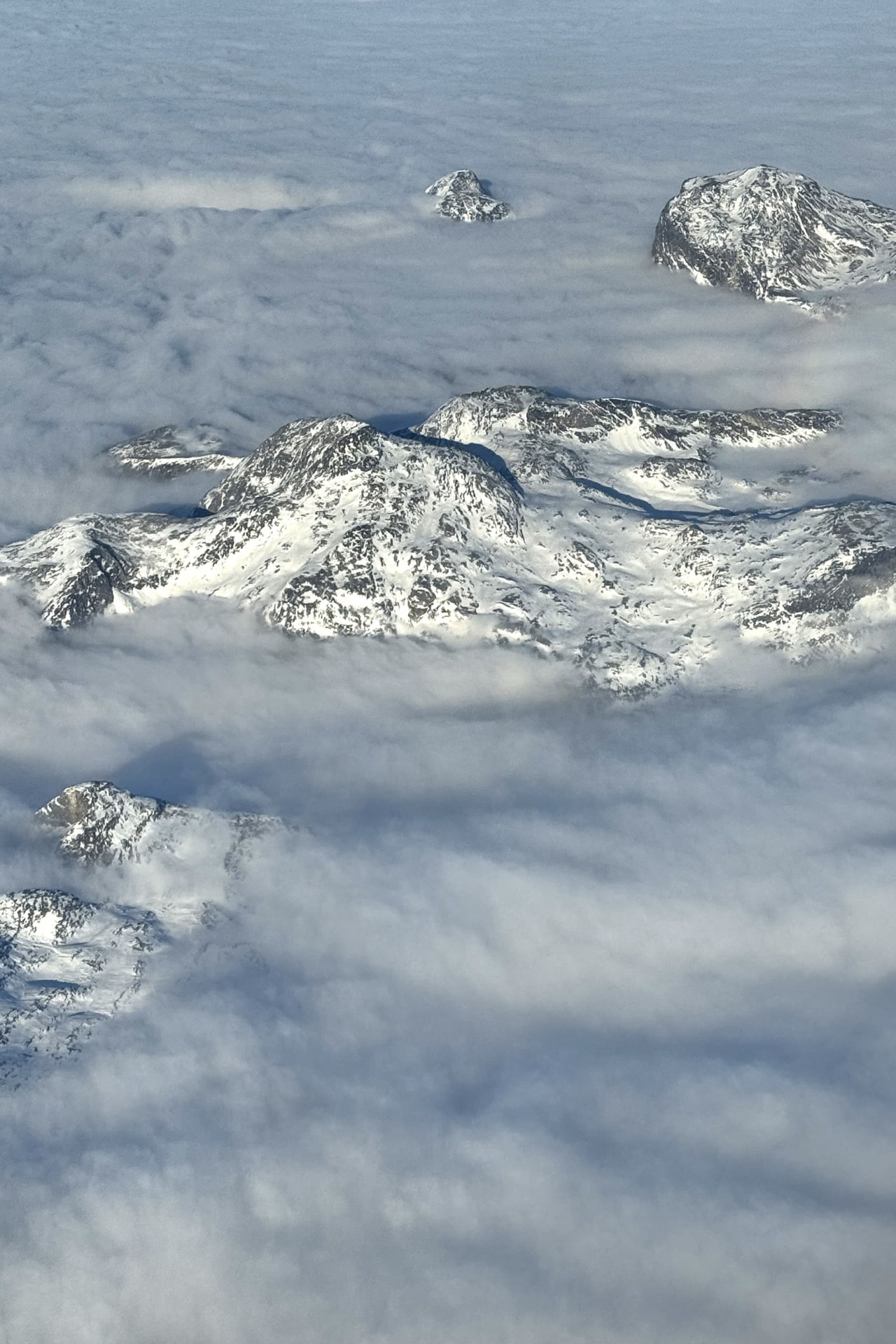
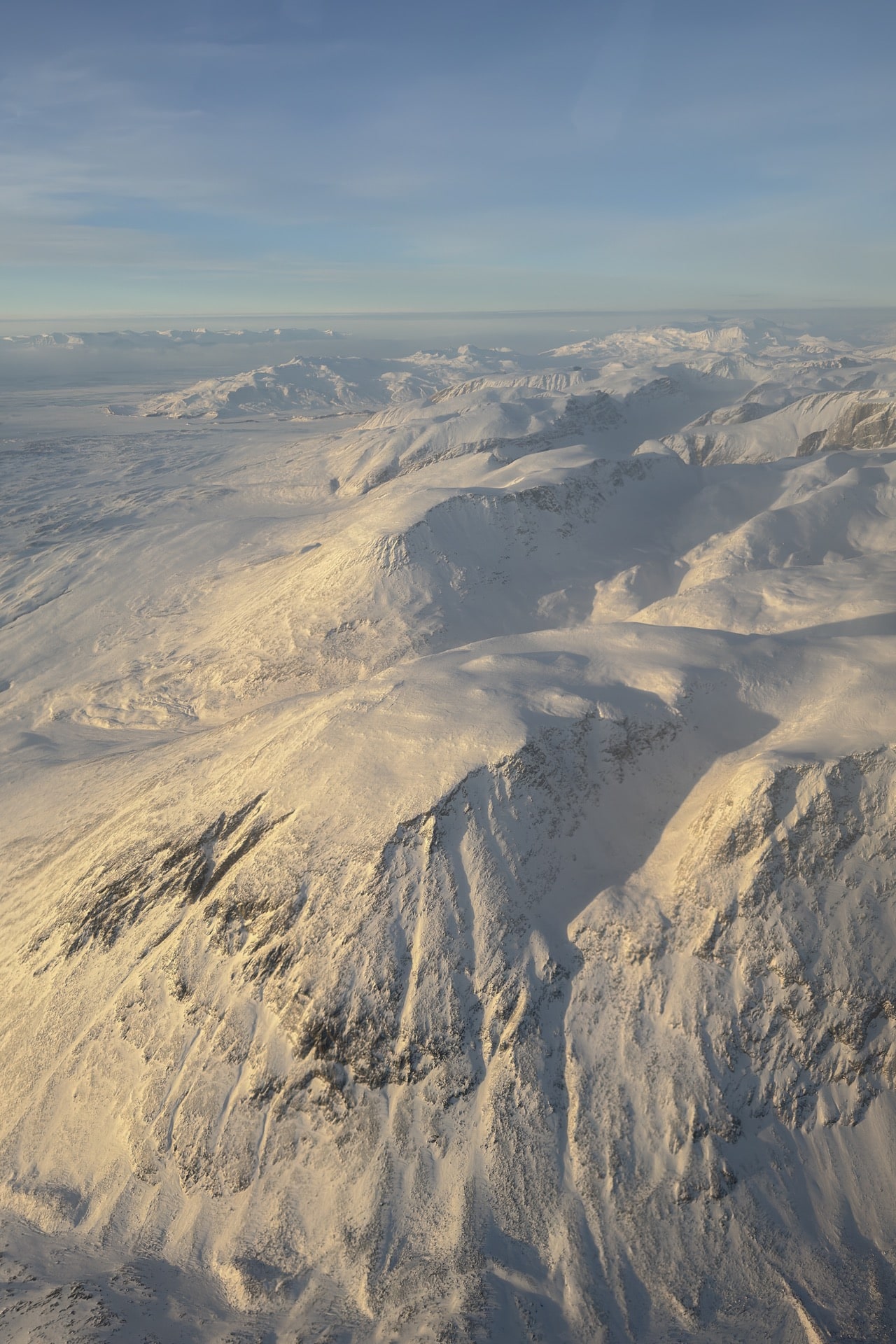

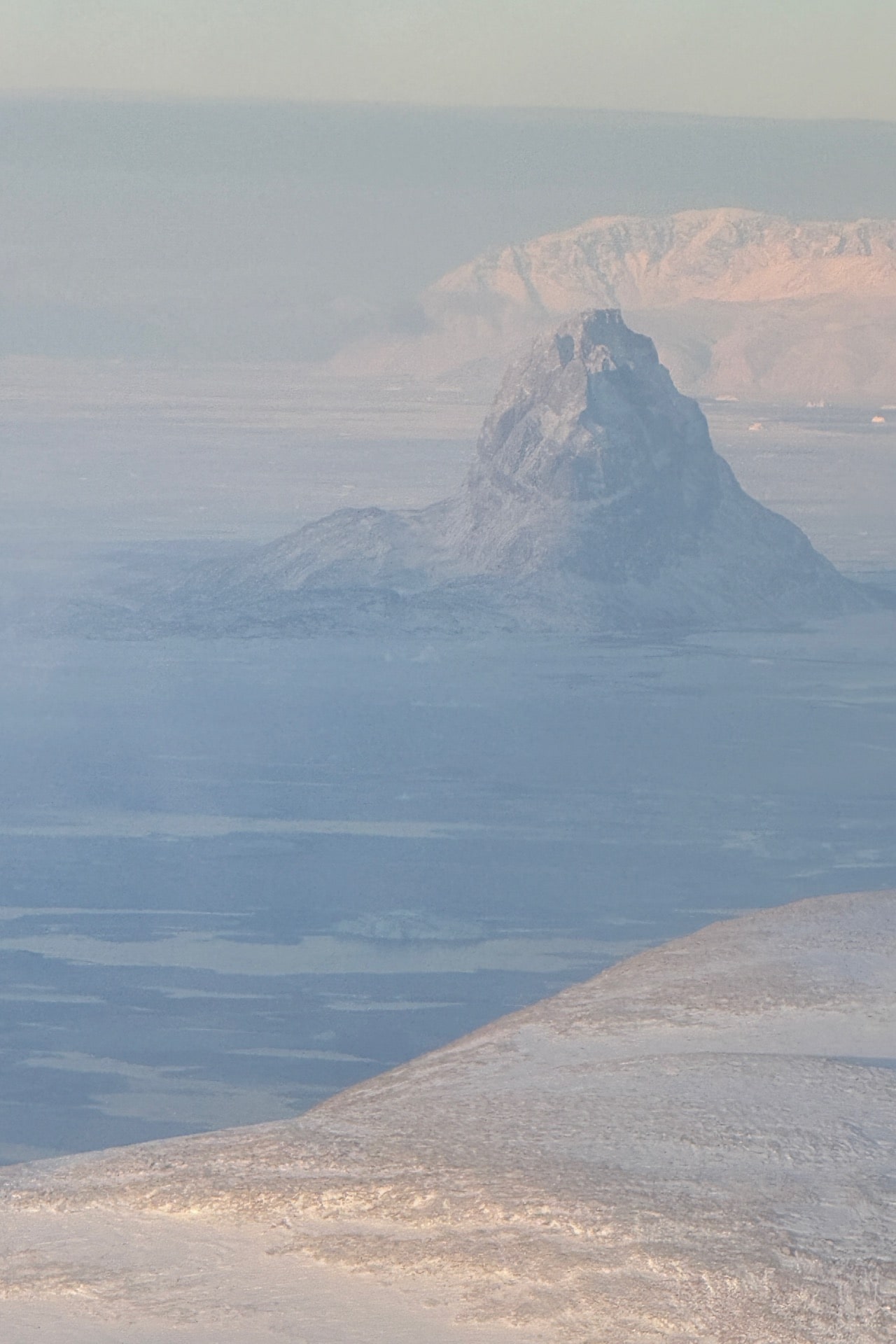
The journey from Ilulissat to Uuummannaq by helicopter
Best Time of Year for Winter Conditions
Winter evolves quickly in the Arctic. From the deep twilight of polar night to the return of sunlight and frozen fjords, each month offers something different.
December to January. Polar Night
During the deepest part of winter, the sun never rises above the horizon in Uummannaq. The town sits in continuous twilight for several weeks with only a faint glow appearing around midday.
Although the lack of sunlight limits landscape photography, this period offers a powerful Arctic atmosphere. Long hours of darkness provide excellent opportunities to photograph the Northern Lights, while soft blue twilight colours the snow-covered town.
For more about this phenomenon read our article on Polar Night.
February to Early April. Prime Winter Conditions
For most visitors this is the best time to experience winter in Uummannaq.
By February the sun has returned above the horizon. It remains low for much of the day, producing beautiful soft Arctic light that is ideal for landscape photography.
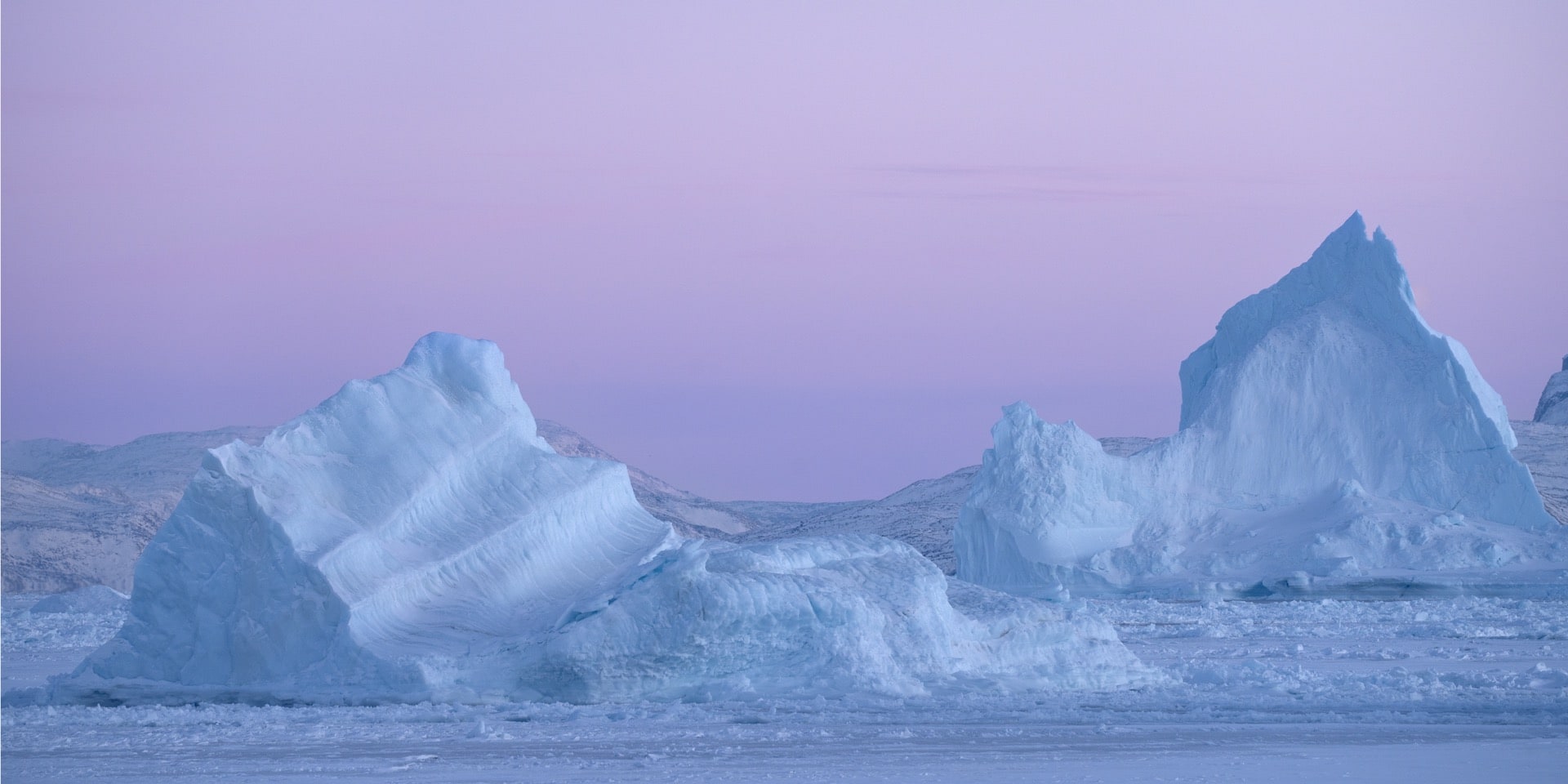
At the same time temperatures remain cold enough for the fjords around the island to freeze, locking icebergs into the sea ice.
This period often combines several spectacular conditions.
Frozen fjords surrounding the island
Icebergs locked into sea ice
Increasing daylight for photography
Continued opportunities to photograph the Northern Lights
By early April daylight becomes much longer, though sea ice conditions may begin to change depending on weather.
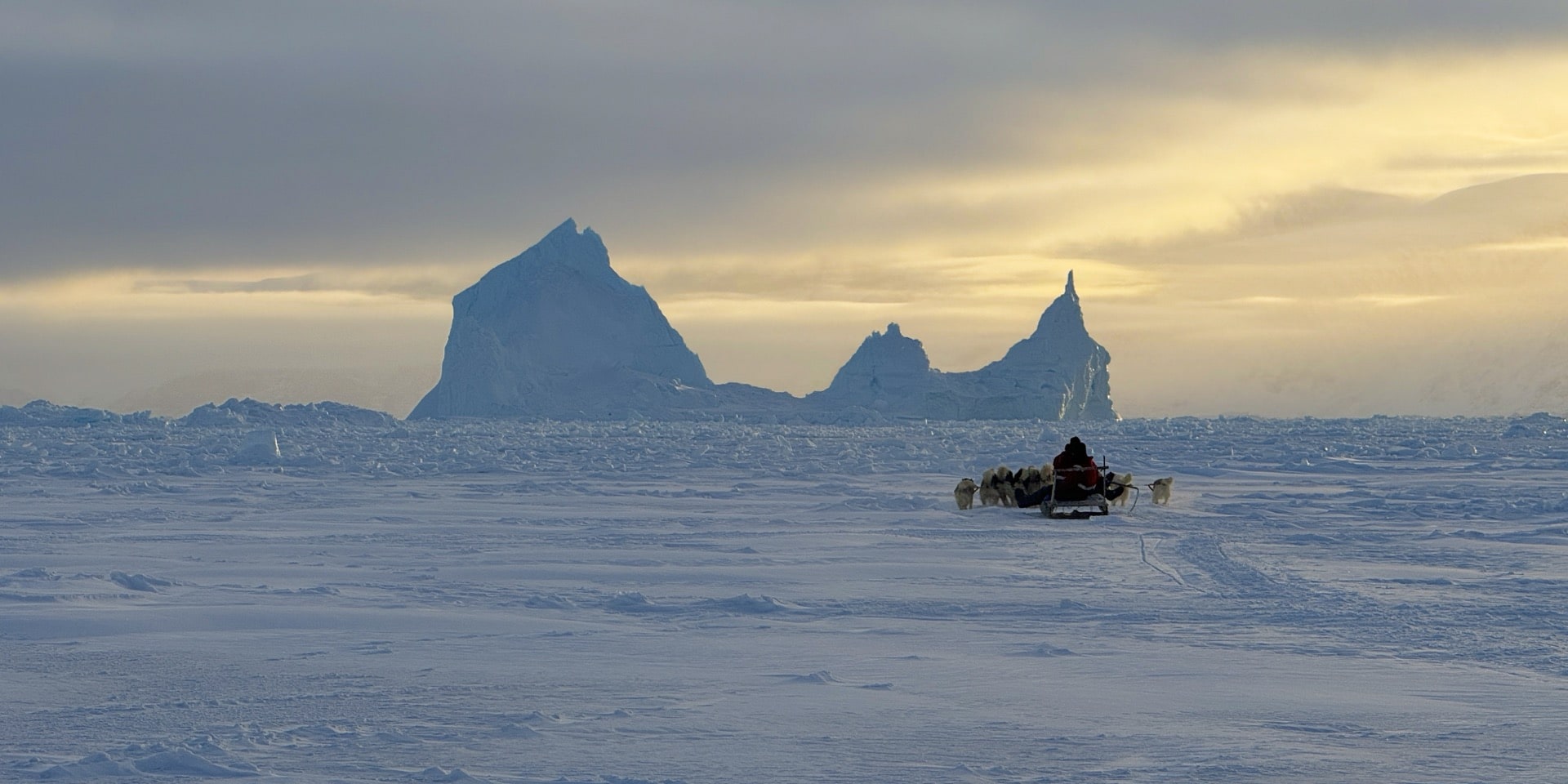
Photographing Uummannaq in Winter
Colour, ice and mountain combine to create one of the most visually distinctive towns in the Arctic.
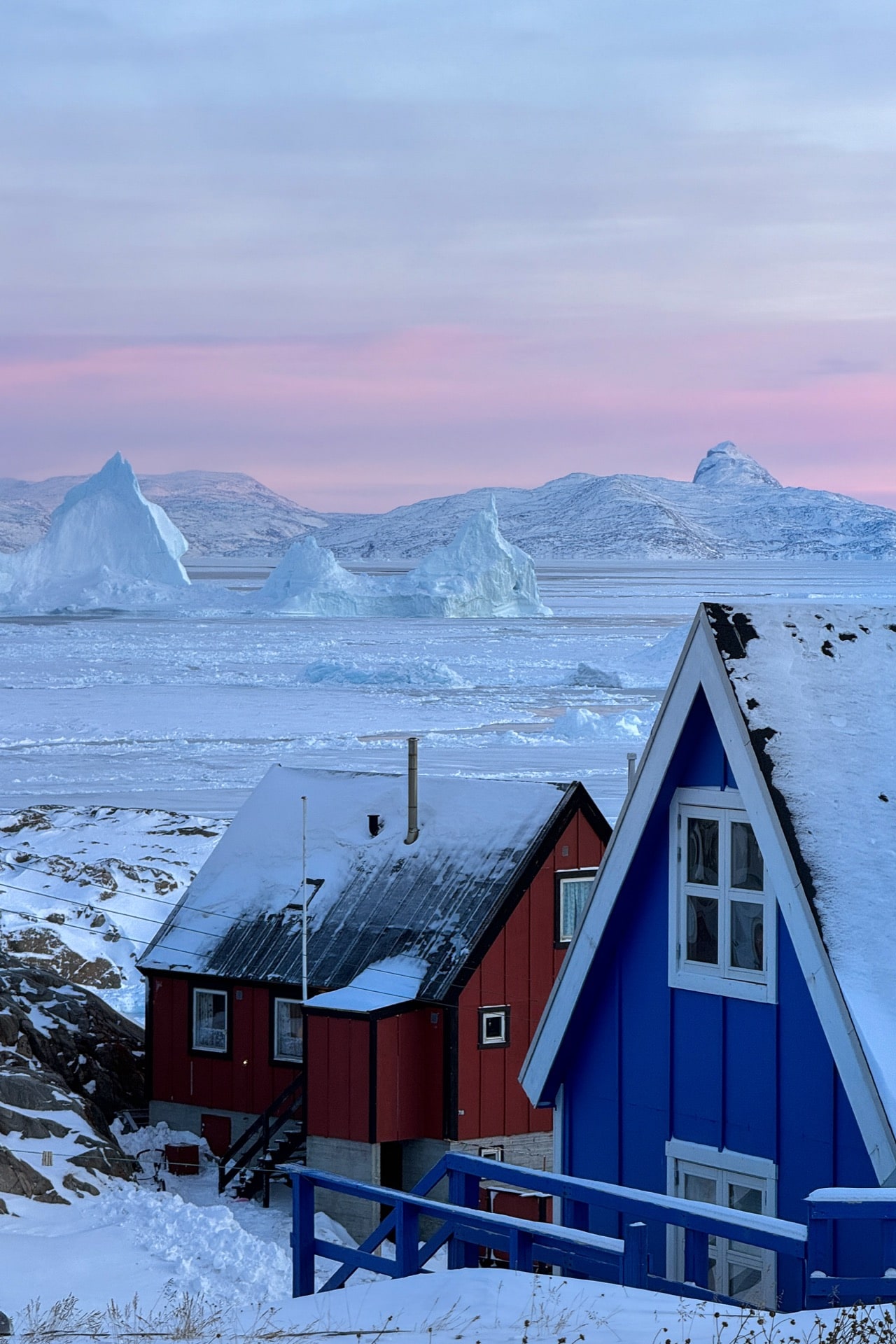
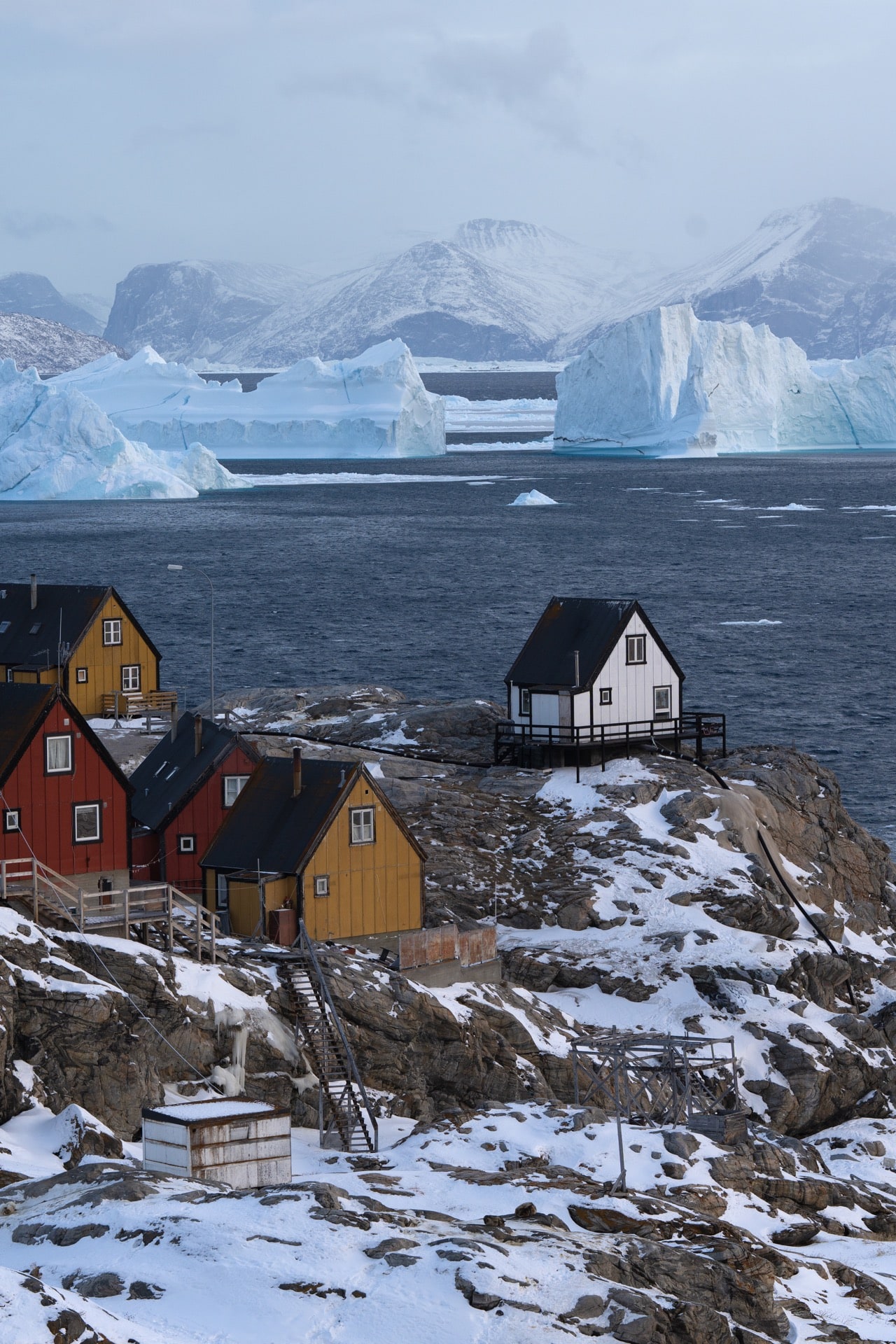
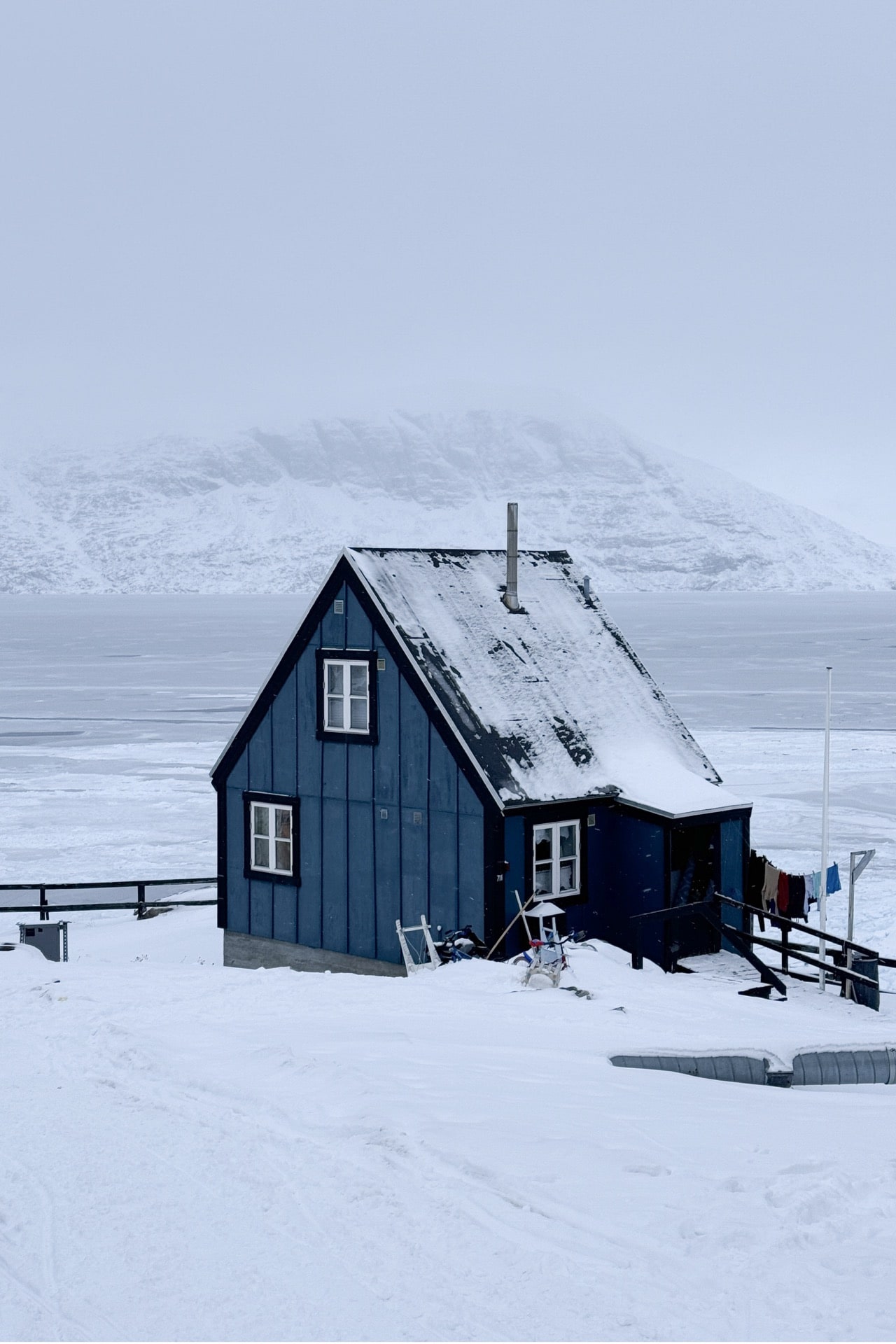
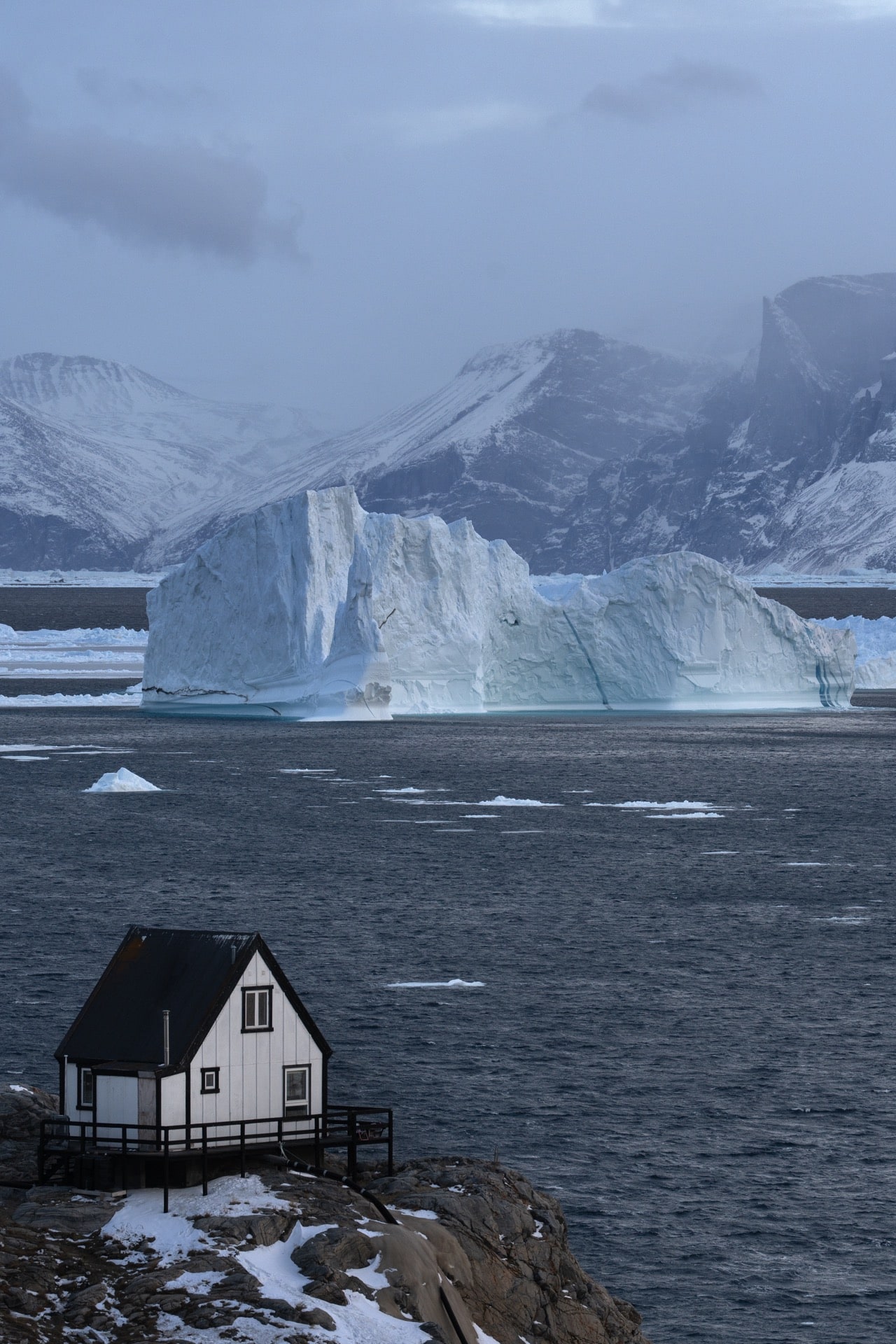
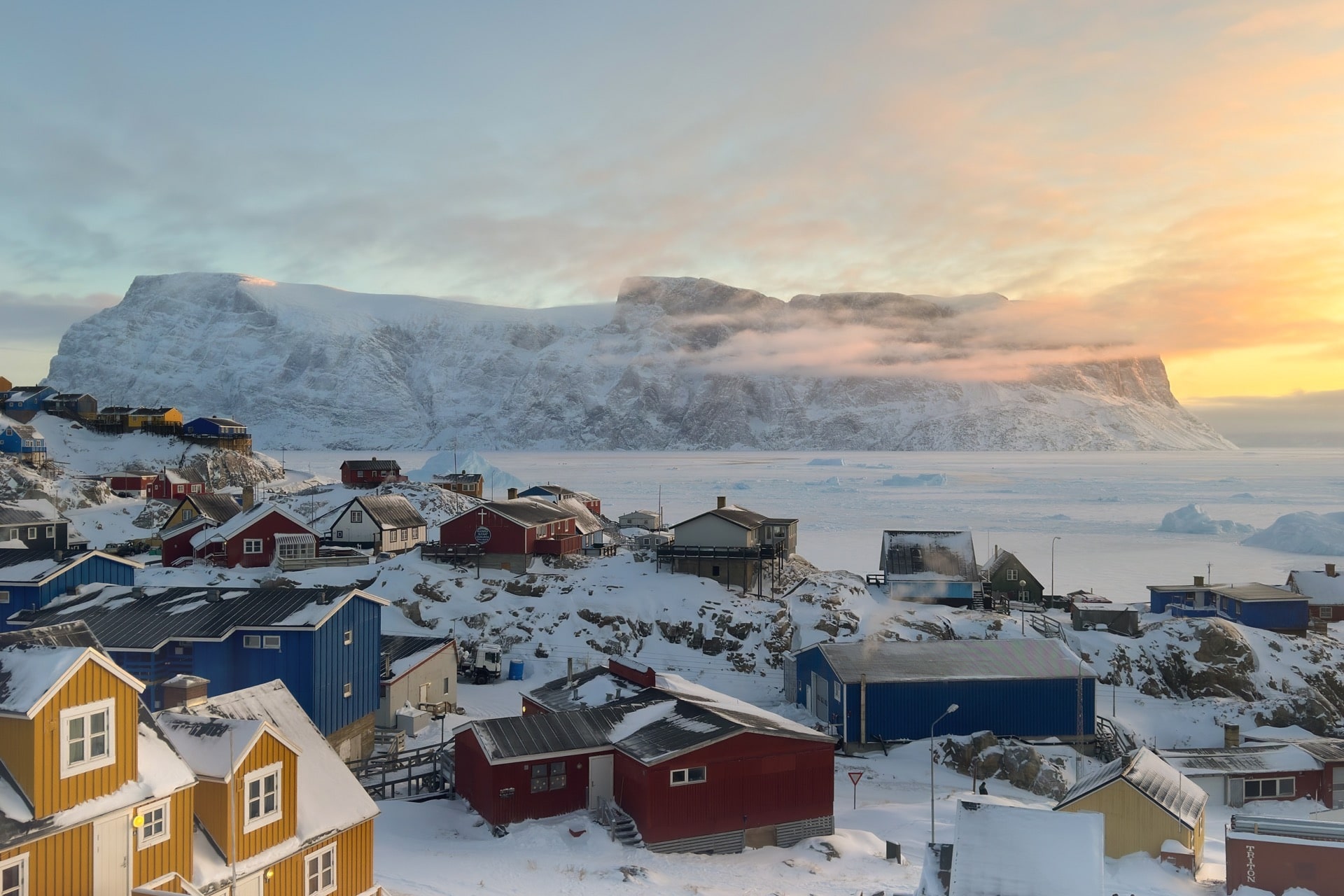
Traditional Greenlandic Houses, Uummannaq
For many landscape photographers travelling through West Greenland, photographing Uummannaq becomes one of the highlights of the entire journey.
Approaching from the west, aircraft pass the town where bright houses puncture the white Arctic landscape. Above them rises Uummannaq Mountain, its distinctive heart shaped summit dominating the island.
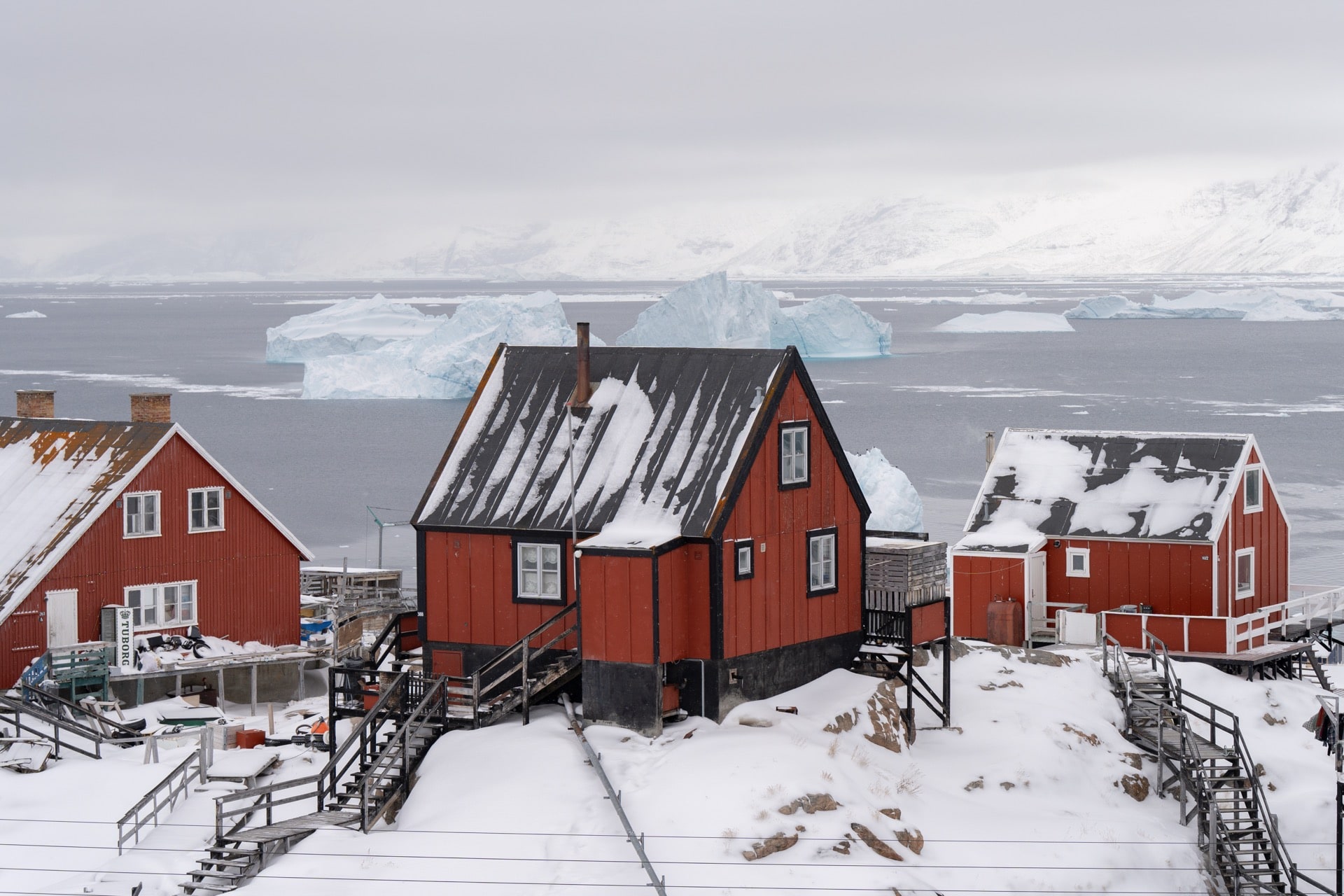
Many houses in Greenland are painted bright colours. Historically these colours helped identify building functions such as shops, fish processing facilities and homes. Today they provide striking contrast against the snow.
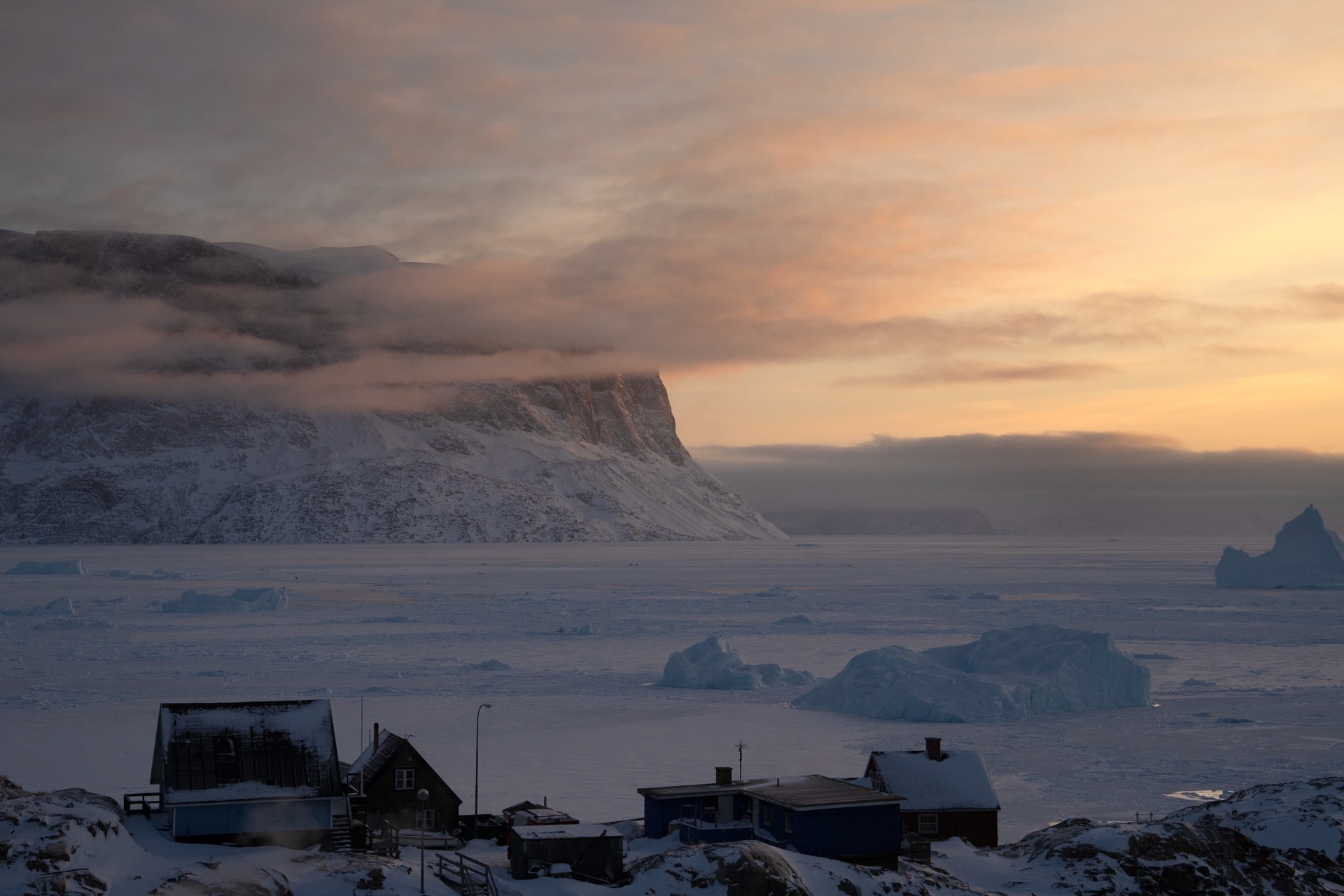
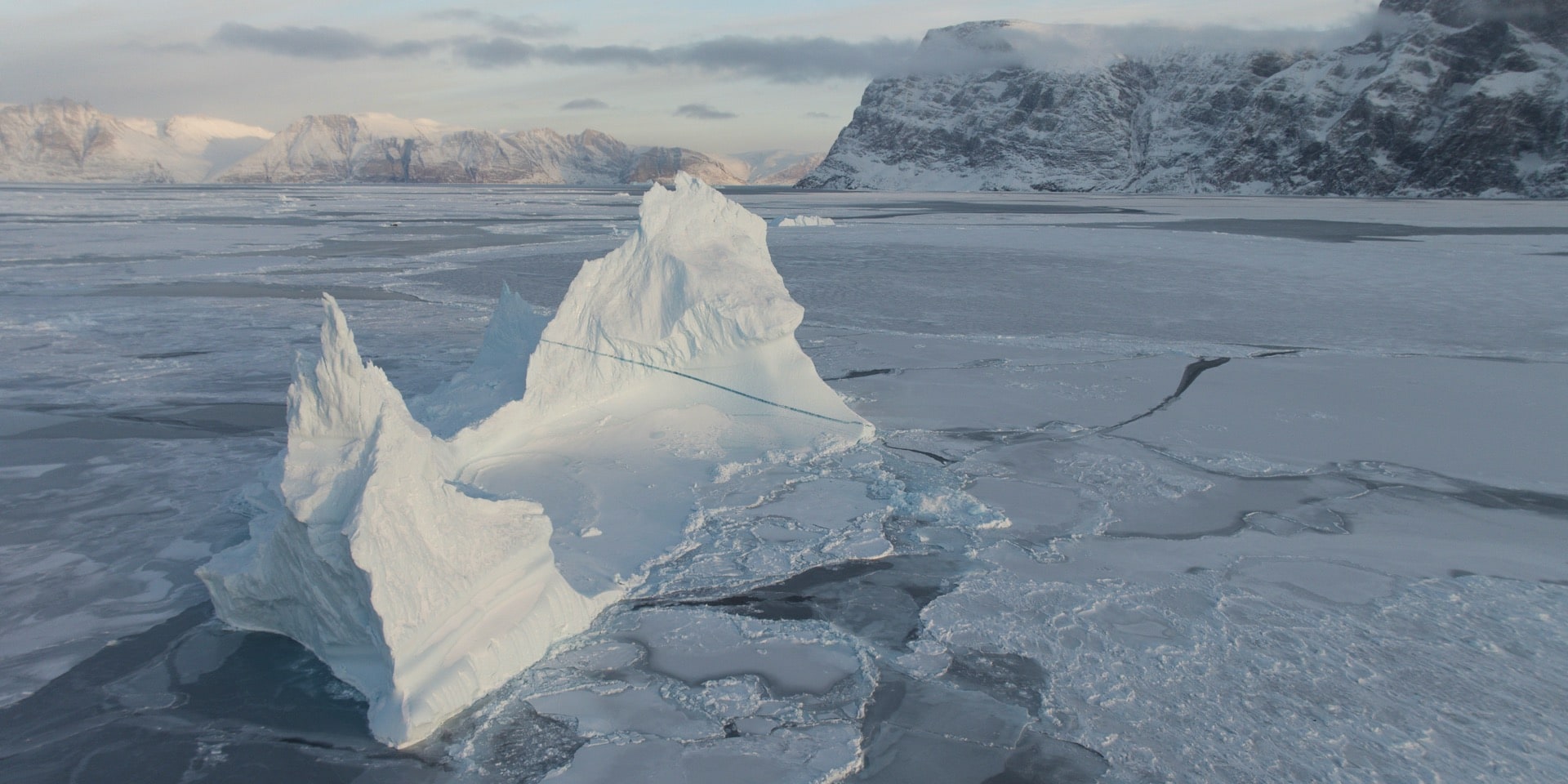
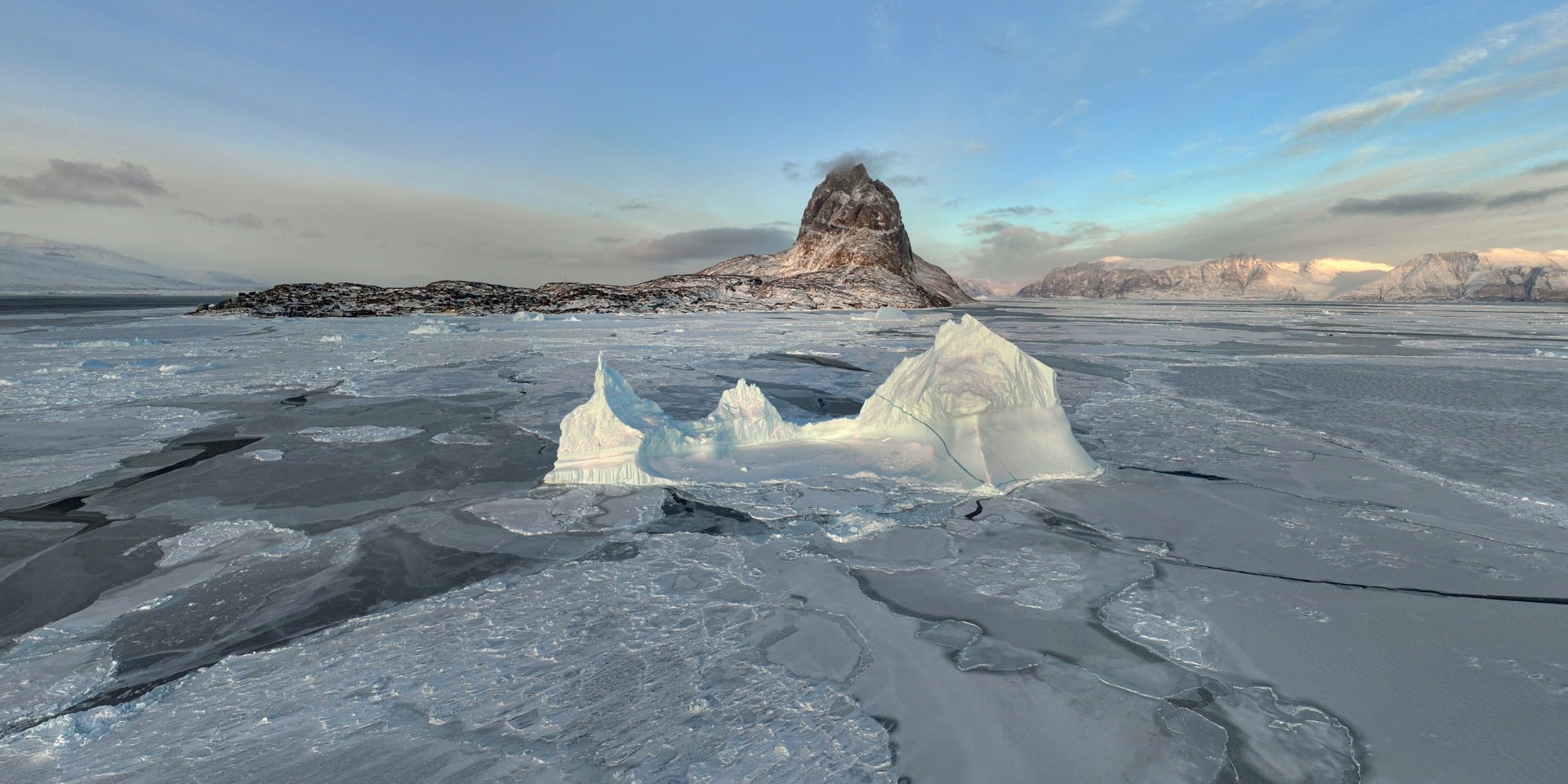
Along the shoreline frozen sea ice stretches across the bay while large blue icebergs scatter through the fjord, often locked into place between February and April.
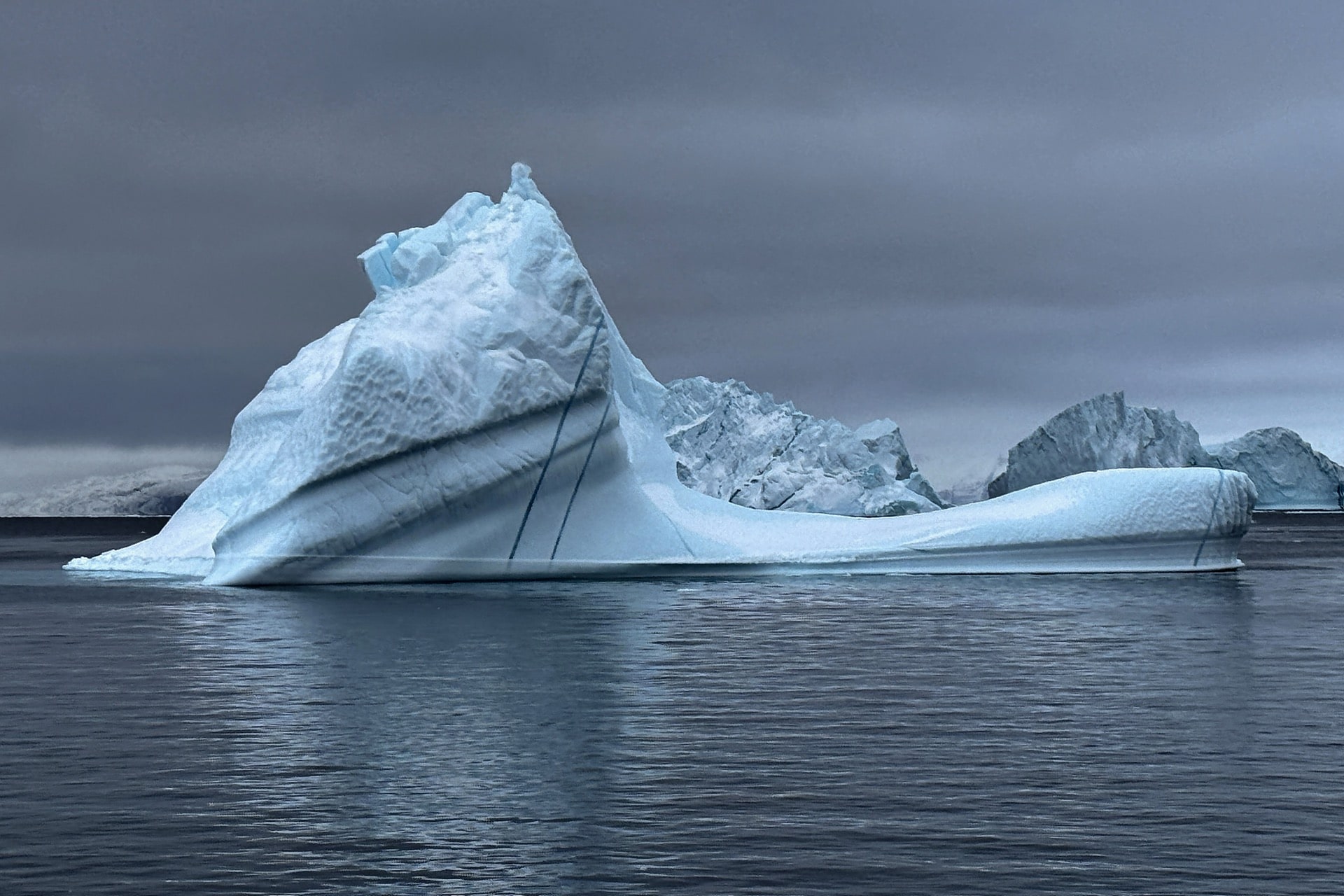
Iceberg conditions vary each year depending on weather and currents. Some seasons bring small, sculpted bergs while others fill the fjord with massive floating blocks of glacial ice.
Photographing Northern Lights in Uummannaq
Uummannaq Lake (Tasersuaq in Greenlandic) freezes solid during winter and often acts as a shortcut across town. Before sea ice forms it is also used for dog sled training.
Standing on the lake at night can be unforgettable. As temperatures drop the ice contracts and shifts, sometimes producing loud cracks, creaks and deep booming sounds that echo across the frozen surface.
The lake is the best option for Northern Lights, photographing the Aurora can be tricky in Uummannaq due to the town lights, and the lake is slightly sheltered from the bulk of the light pollution. However, Aurora over Uummannaq town looks good too in certain parts where the light pollution does not blow out the exposure, creating coloured houses with a backdrop of Northern Lights; the moonlight can help balance this out with more intense Aurora displays.
Visitors joining our small photography expeditions in West Greenland often find Uummannaq to be one of the most visually rewarding locations of the entire journey.
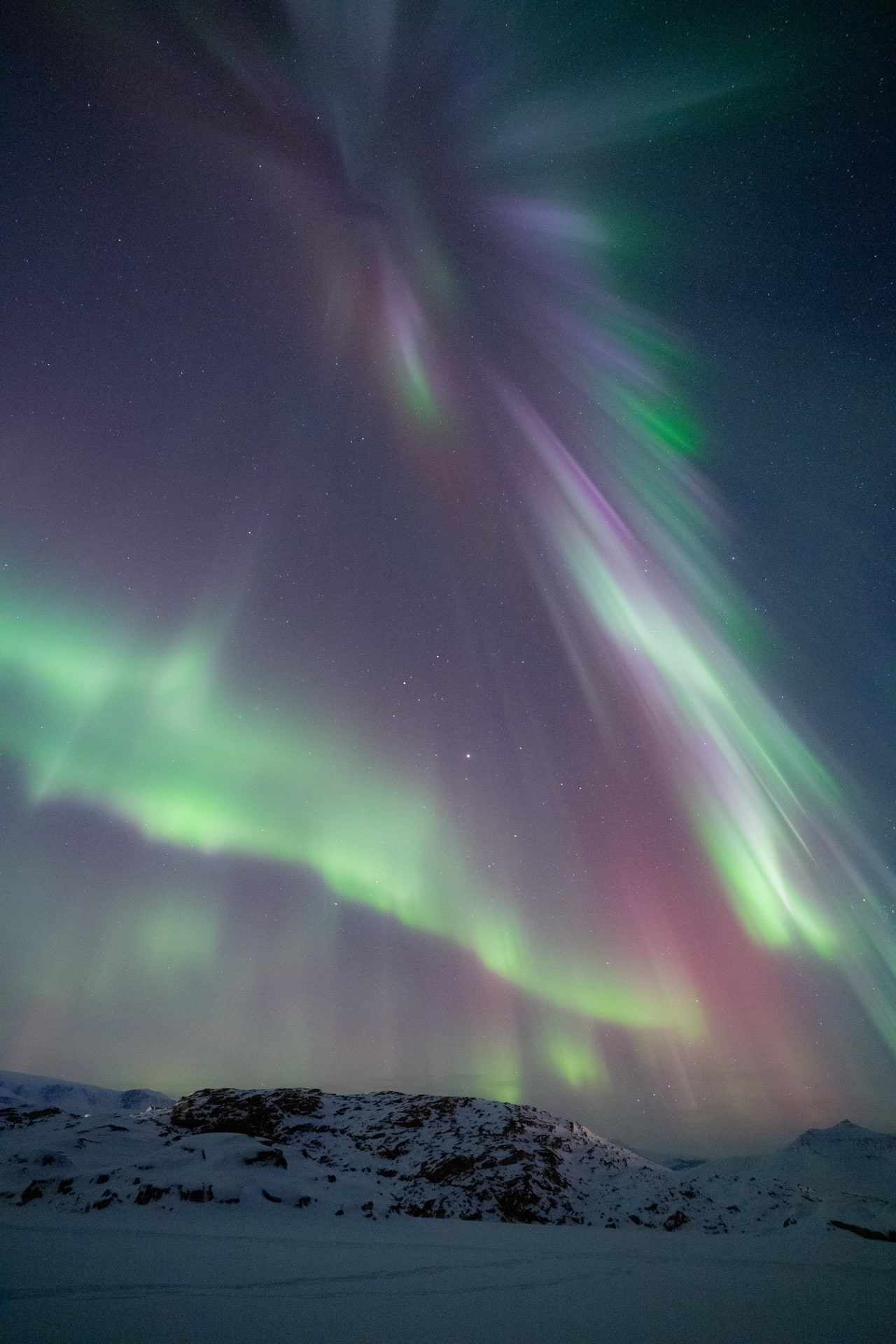
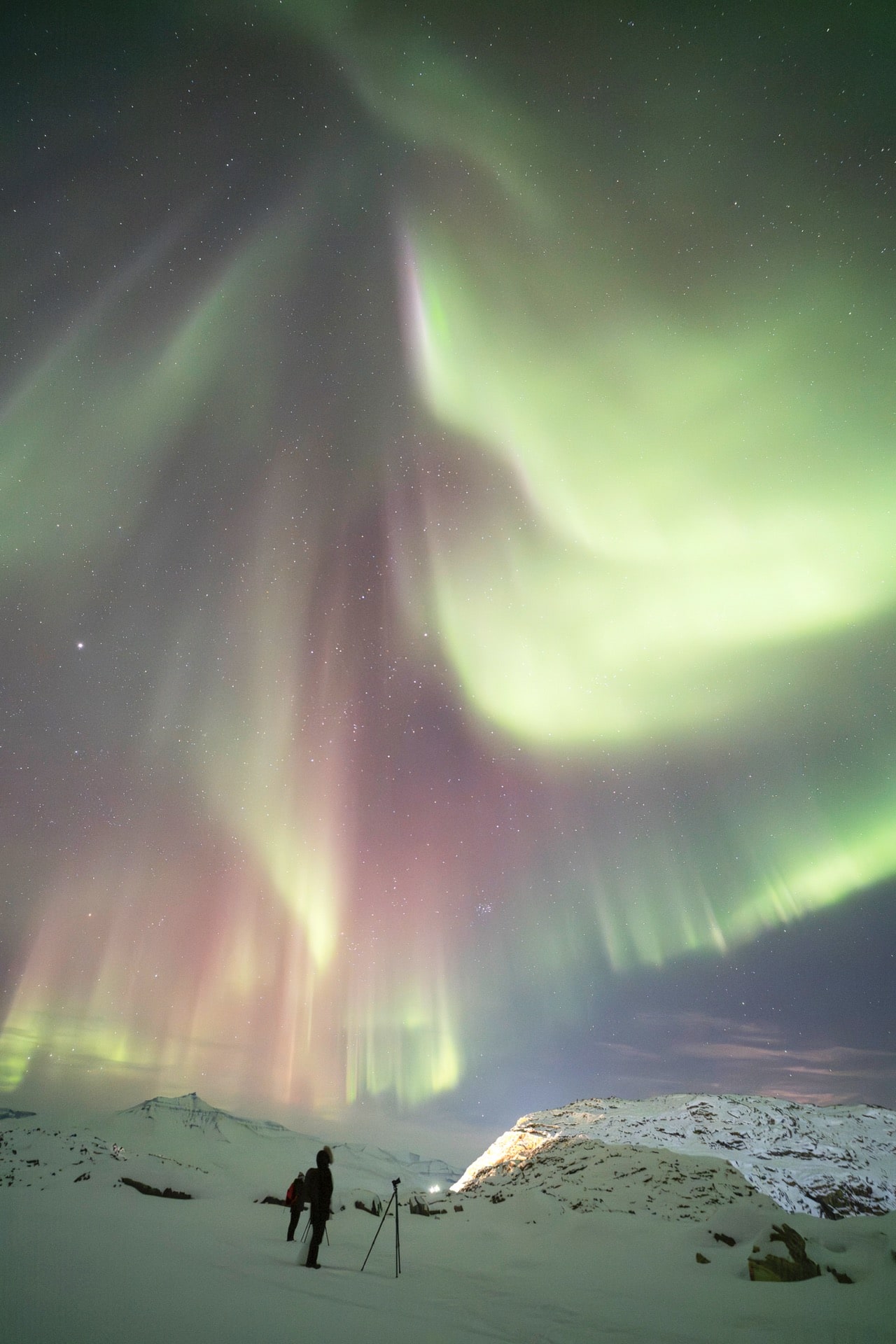
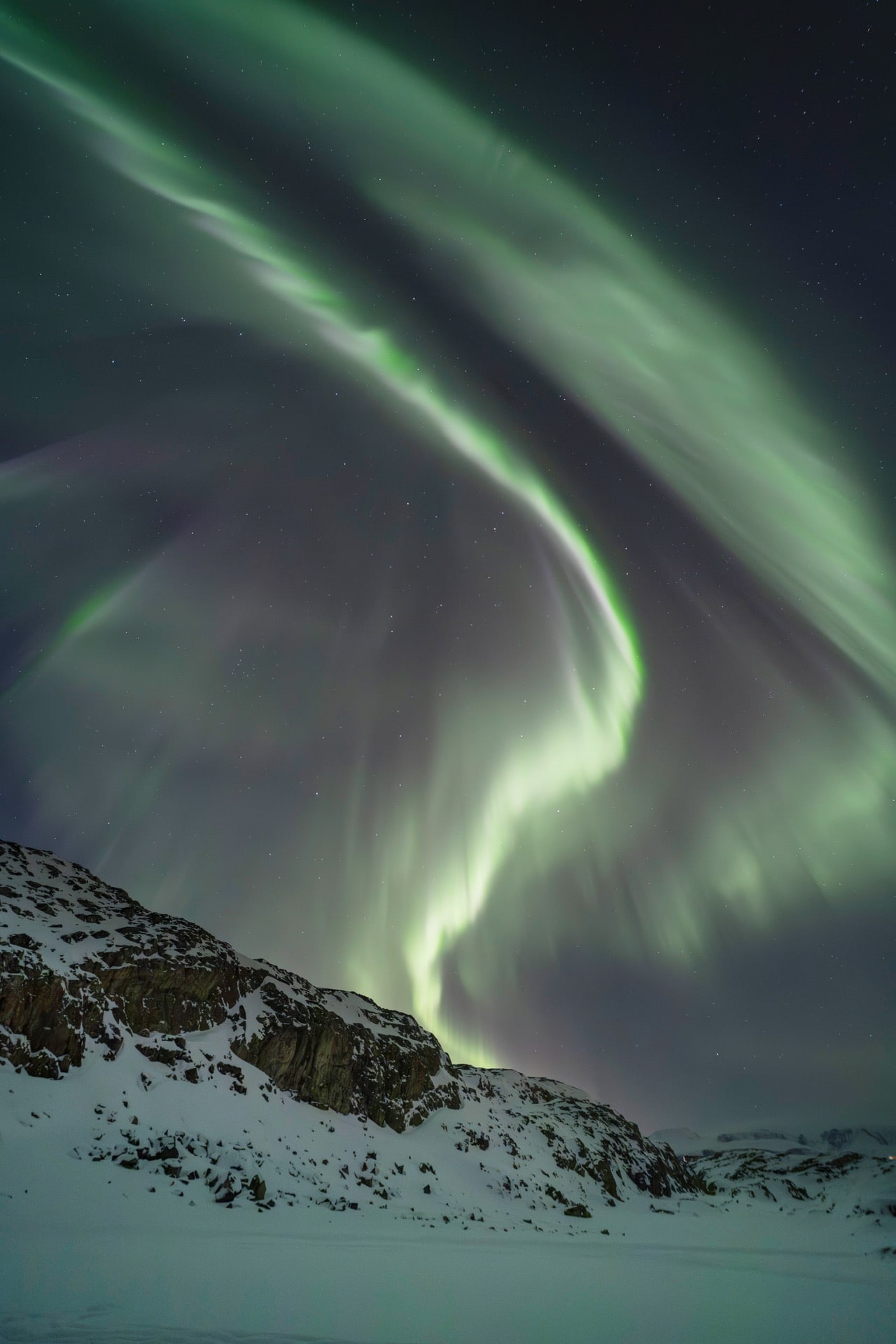
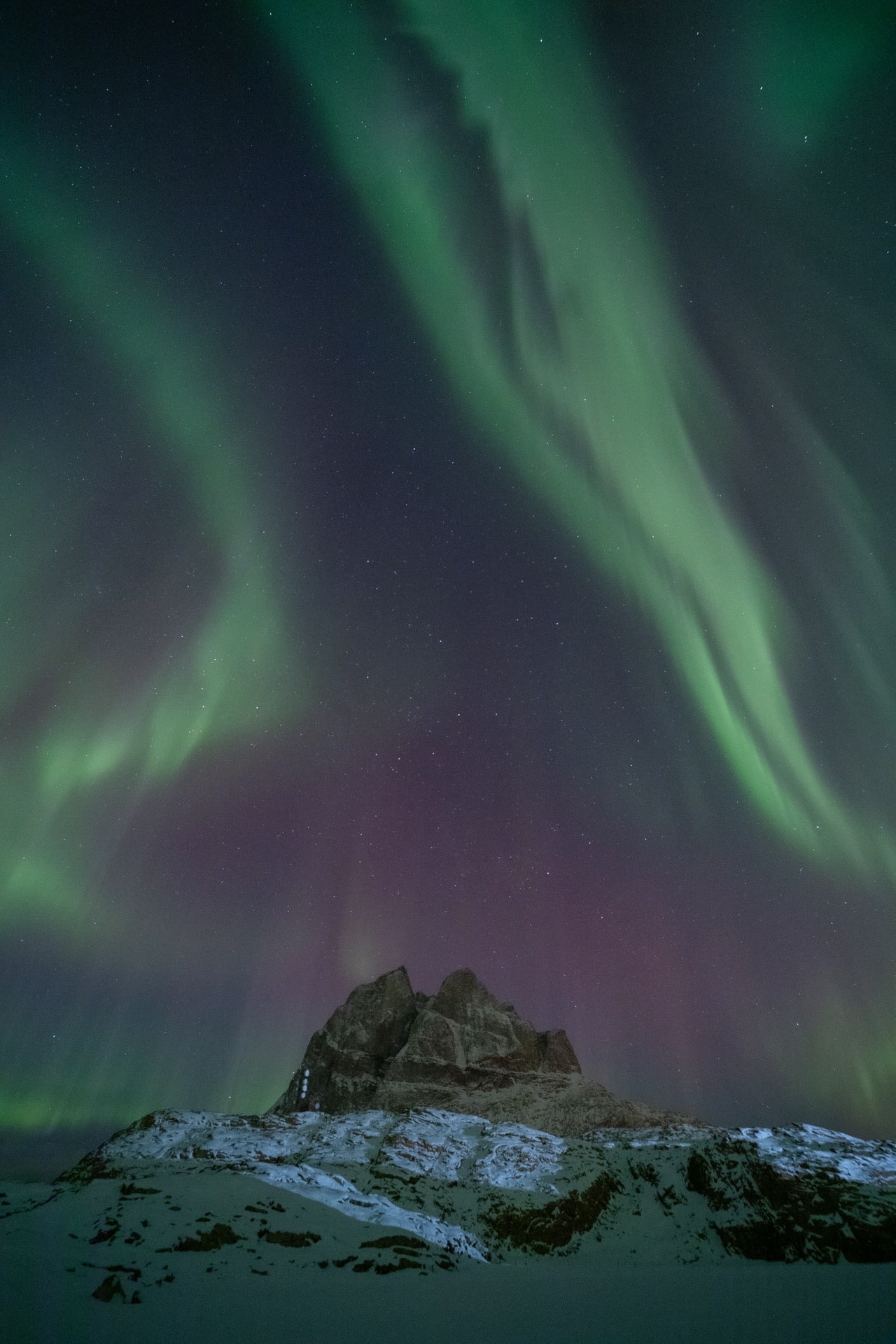
Northern Lights Uummannaq
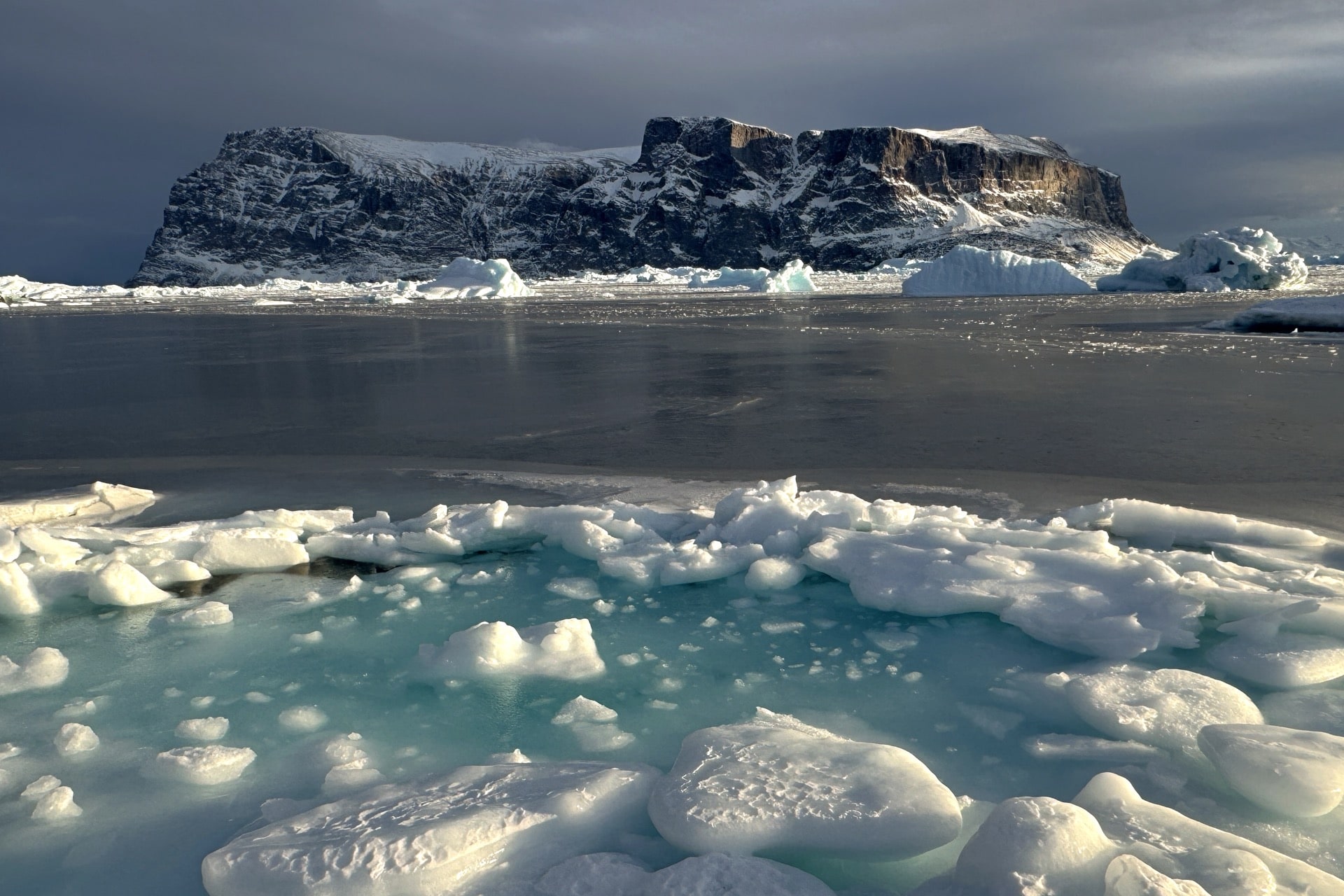
Best Photography Locations in Uummannaq
Despite its small size the island offers an impressive variety of Arctic landscapes.
Uummannaq Lake (Tasersuaq)
When frozen the lake provides a perfect foreground for photographing Uummannaq Mountain, especially when wind sculpted ice patterns appear.
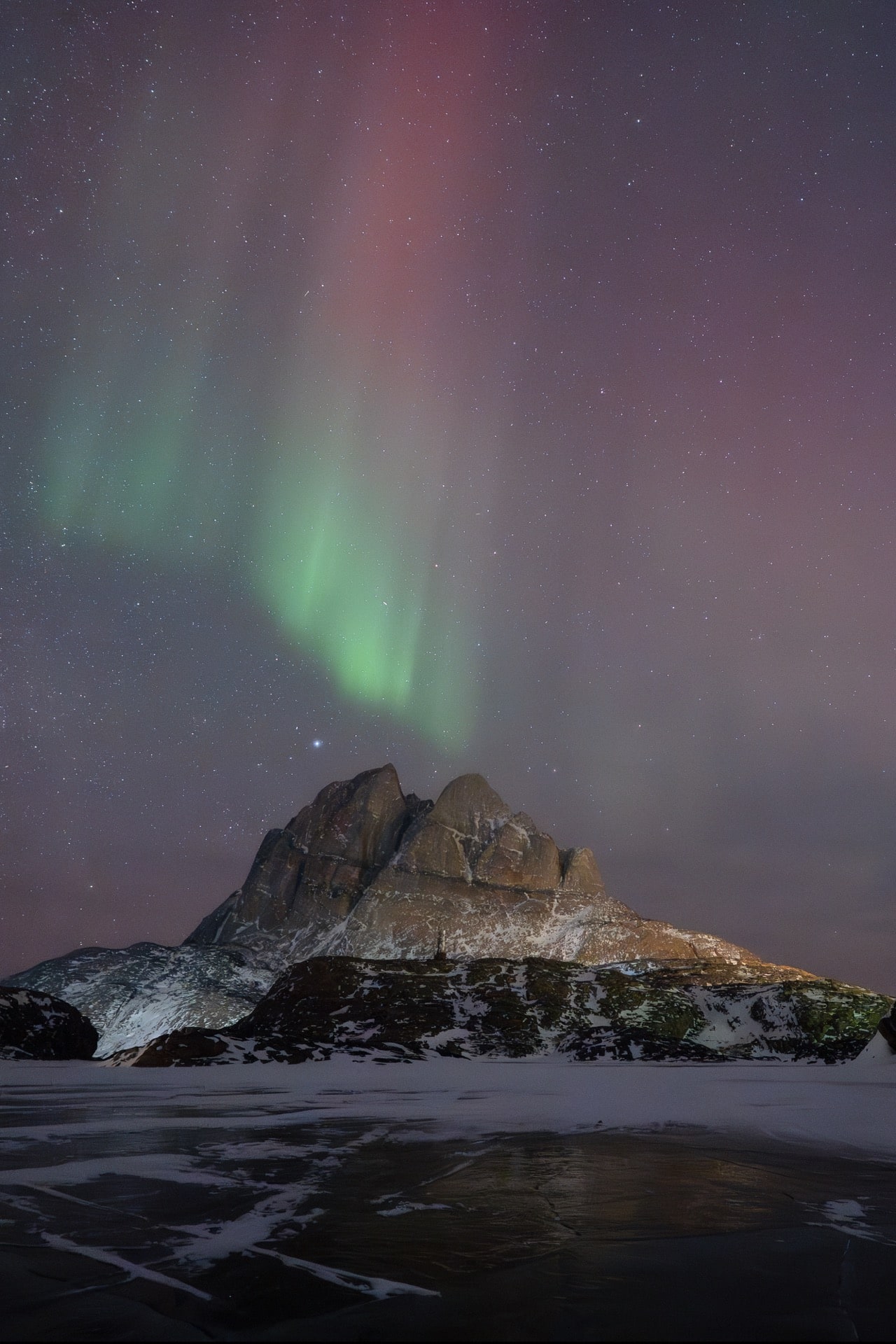
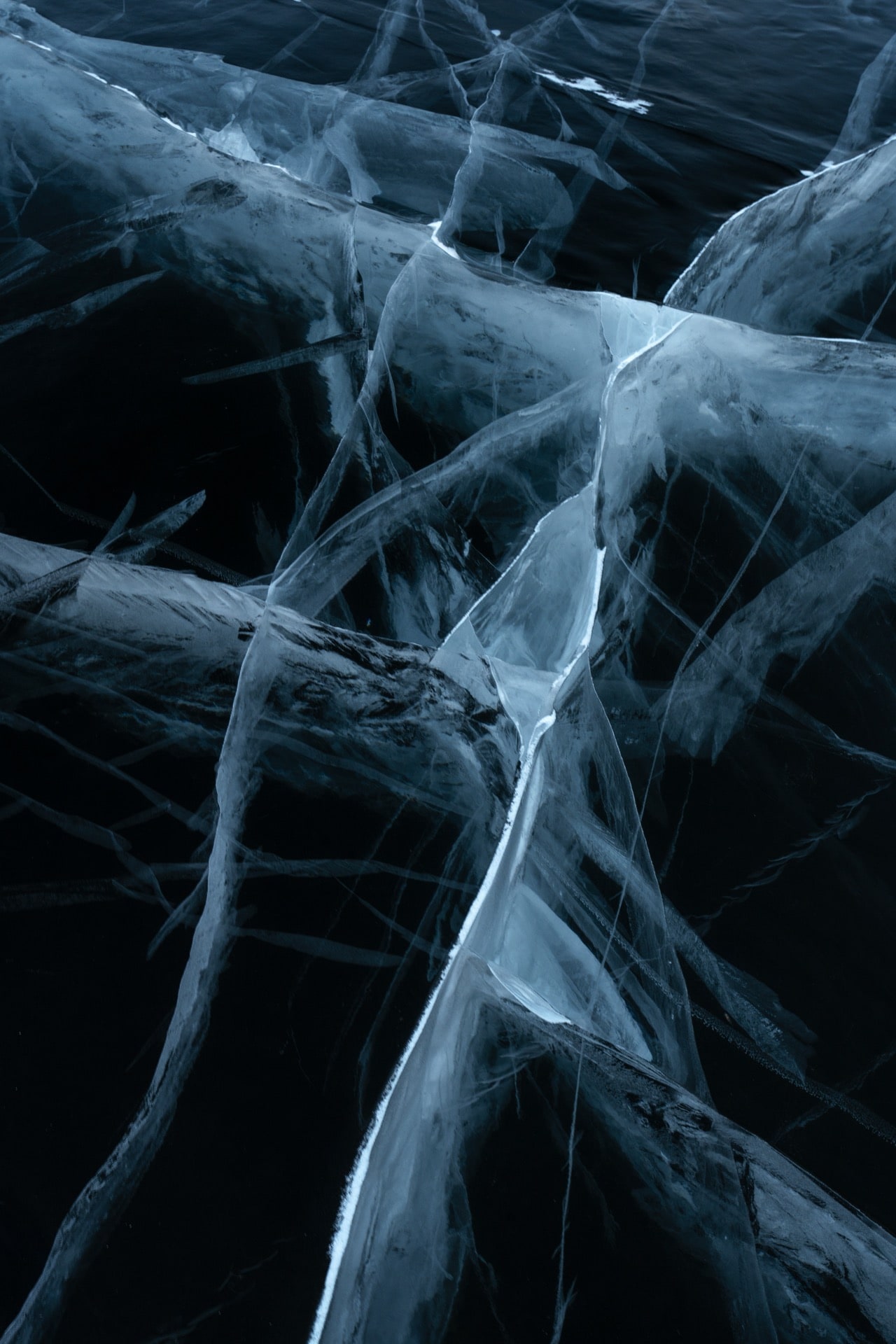
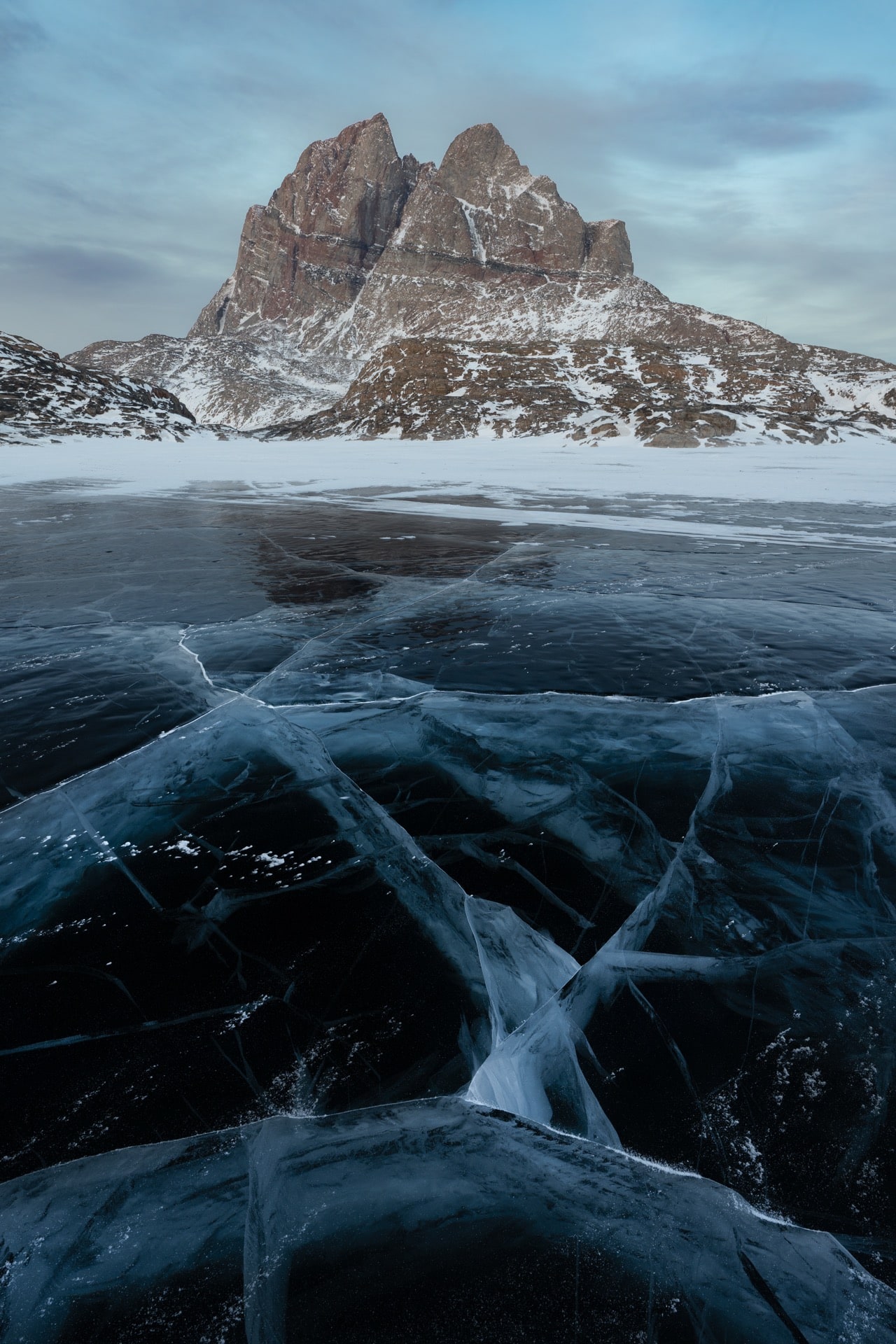
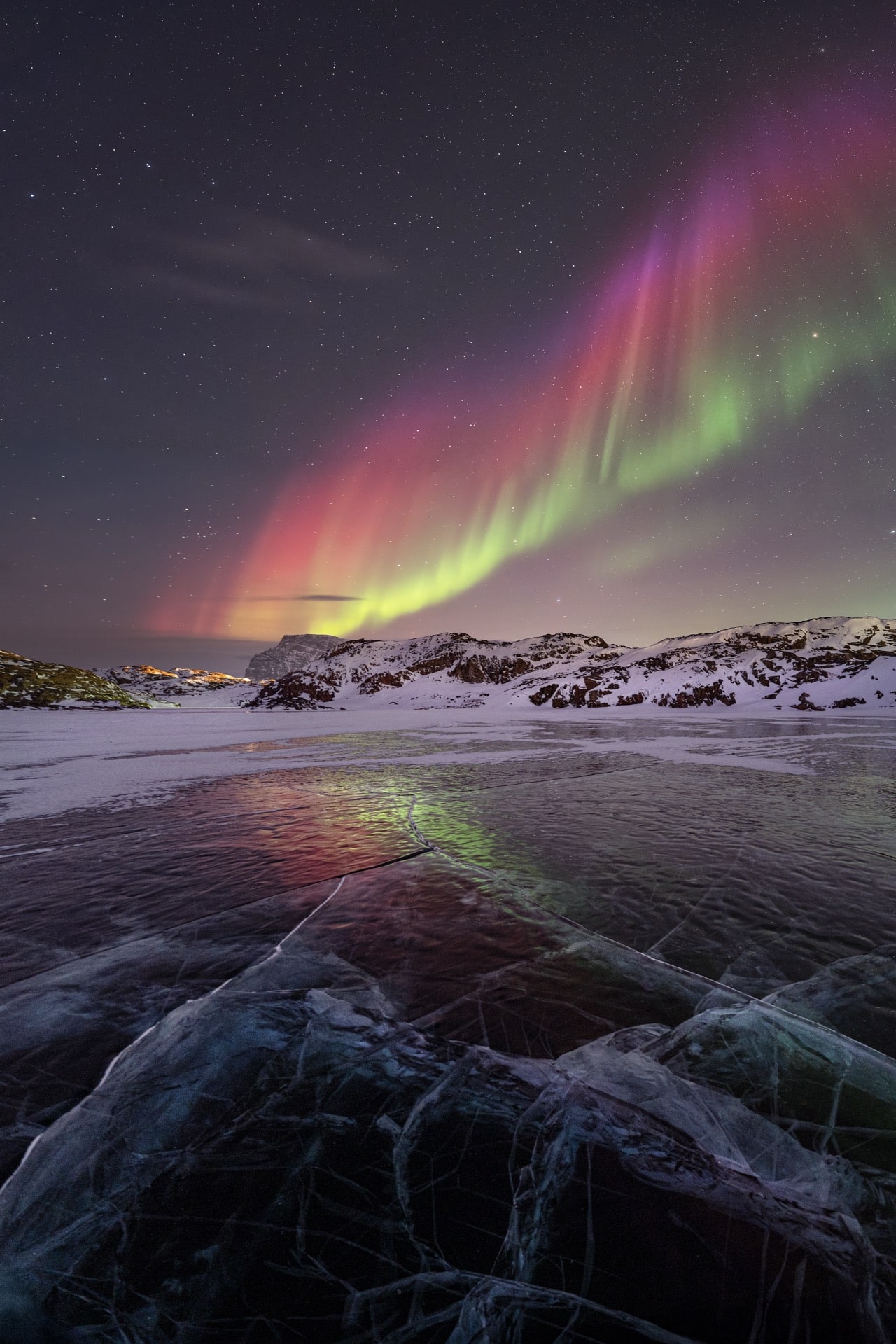
Uummannaq frozen lake landscapes and Aurora
Harbour and Fjord Edge
Icebergs often become trapped in the sea ice near the harbour, creating dramatic compositions with colourful houses.
Southern Shoreline
A strong location for winter seascapes and wide views across the fjord system, particularly when icebergs drift past the island.
Sea Ice Routes
When conditions allow access onto the frozen fjord the open ice becomes an extraordinary place for minimalist Arctic landscapes and Northern Lights photography.
Getting Around Uummannaq
A small town where most places are reached on foot beneath the towering mountain.
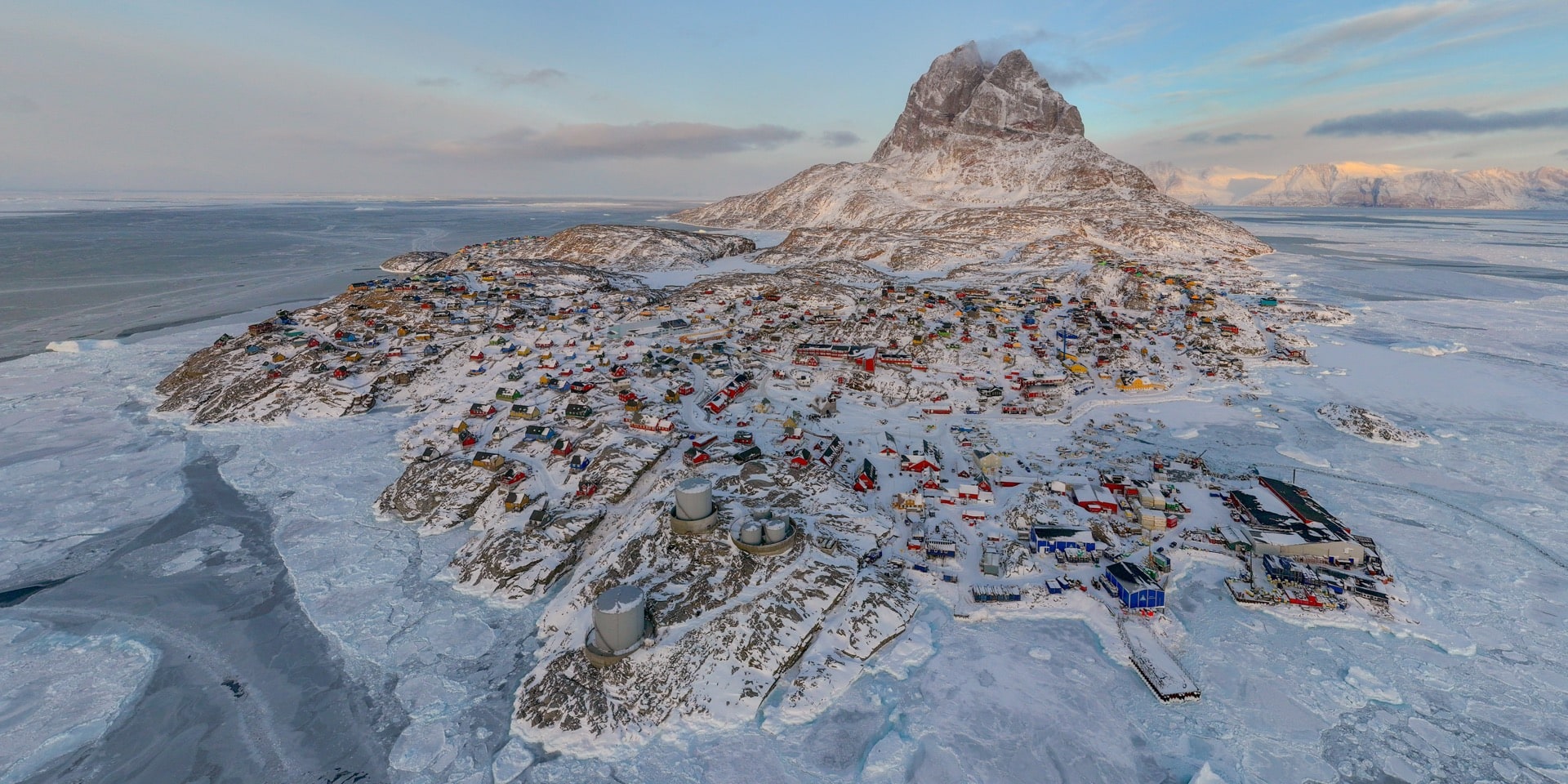
Most of the settlement sits along the western side of the island below Uummannaq Mountain, with roads linking the harbour, houses and shops.
Many residents and visitors simply walk around town, as most places are within a short distance.
A local bus service runs along a fixed route through the settlement, and taxis are available for longer trips.
During winter locals may also travel by dog sled or snowmobile, particularly when sea ice routes open across the fjord.
Because the mountain dominates the island, locals often use Uummannaq Mountain as a natural compass when giving directions.
Climate Change and Sea Ice
The frozen fjord has long been part of daily life in Uummannaq.
When the fjord south of the island freezes solid it becomes possible to travel across it by foot, dog sled, snowmobile and occasionally even by 4×4 vehicle.
Twenty years ago the fjord typically froze from December through April, creating a frozen highway across the sea.
In recent years the sea ice season has become shorter. In 2025 the fjord failed to form properly after storms and unusually warm temperatures broke up the ice in late February.
Uummannaq remains extraordinary in winter, but the rhythm of the Arctic is changing.
Wind can also funnel through the fjord and around the mountain, making wind chill feel significantly colder than the actual air temperature.
Sea Ice Conditions and Safety
Frozen fjords provide incredible photography opportunities, but Arctic sea ice is never completely predictable.
Ice thickness varies depending on tides, currents and weather. Pressure cracks and thinner areas can form, particularly later in the season.
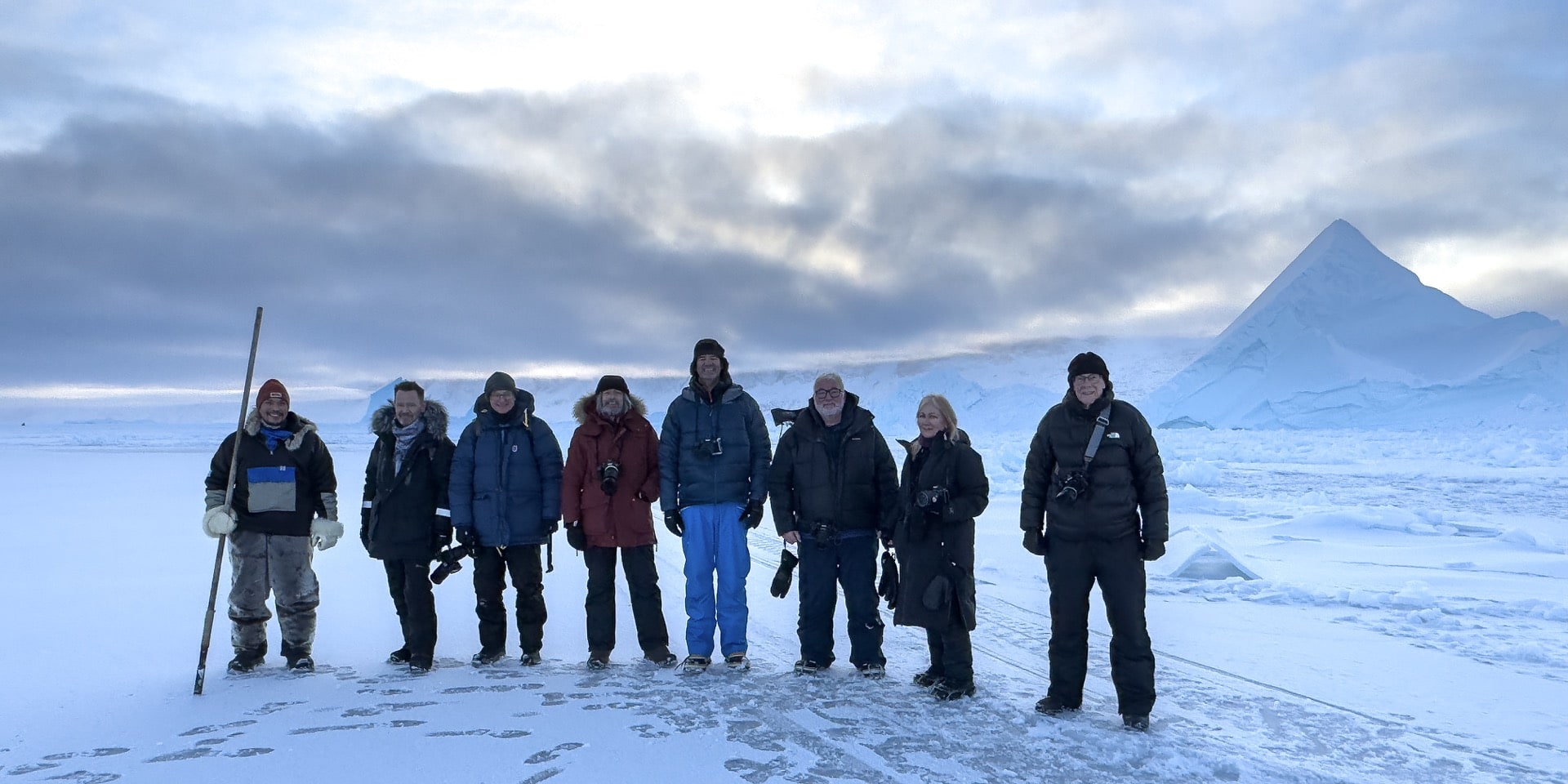
Visitors should always check conditions with local residents or guides before venturing onto the sea ice and should not really venture out onto it without a guide.
The frozen surface can produce remarkable landscapes, but the Arctic environment always demands caution and respect.
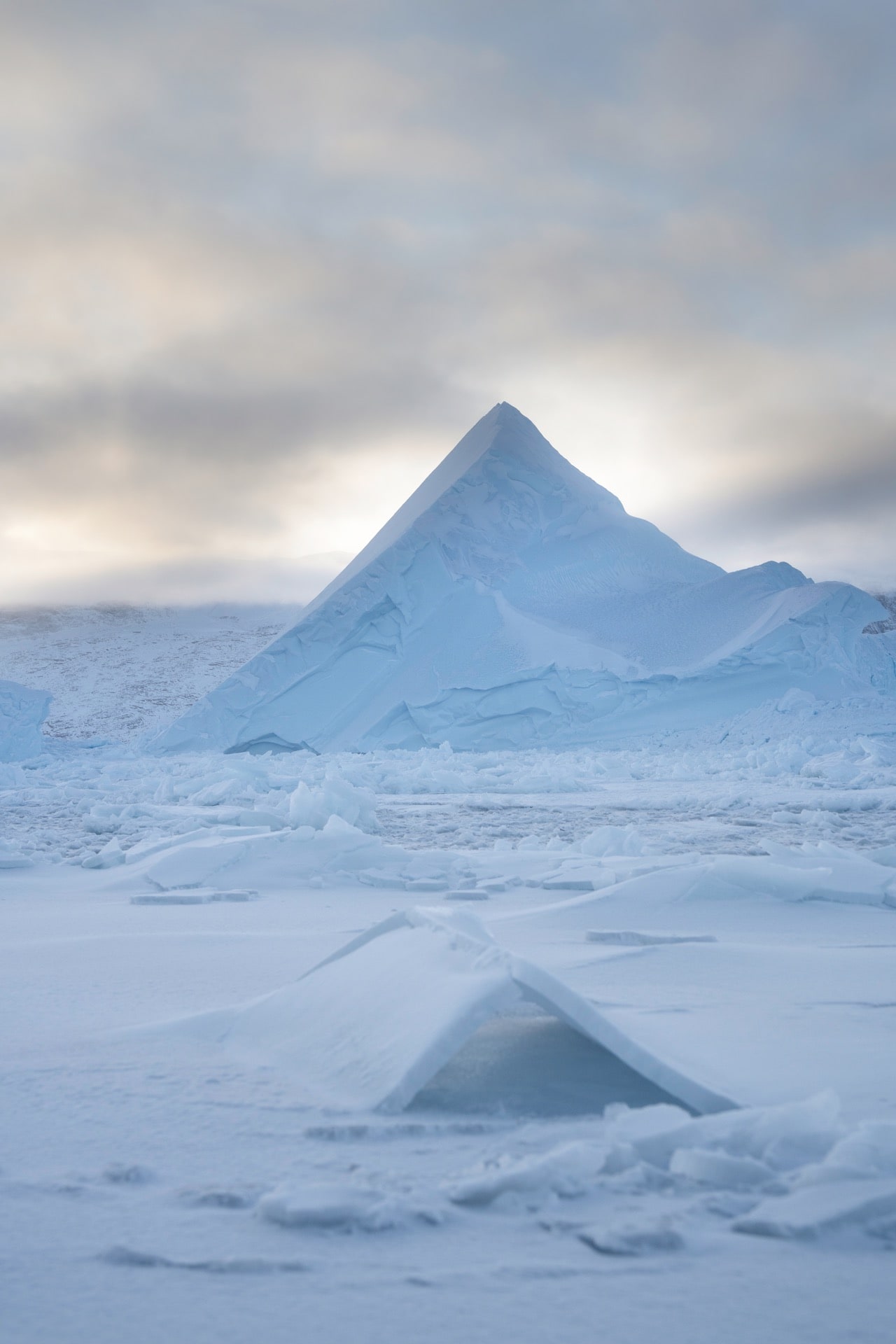
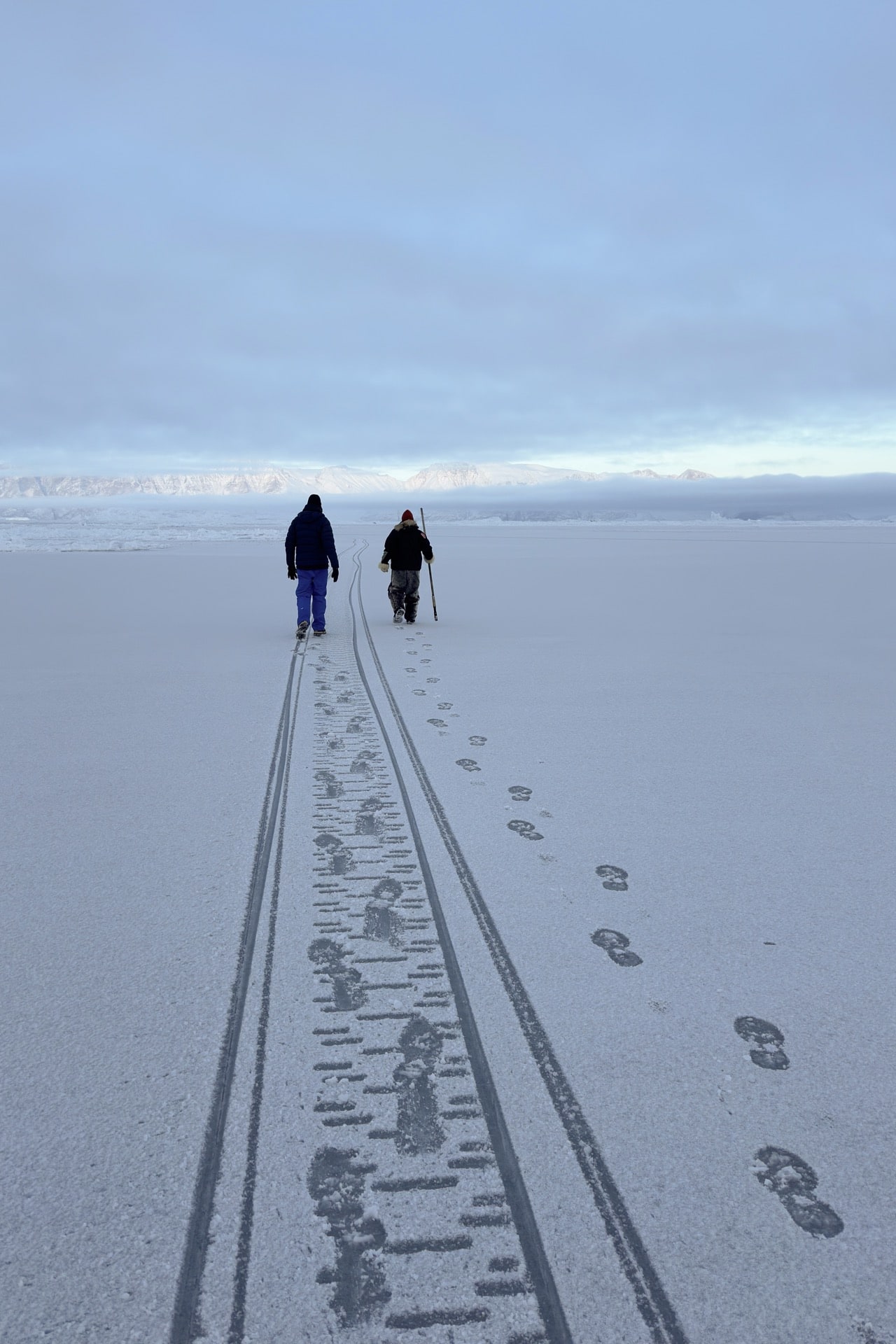
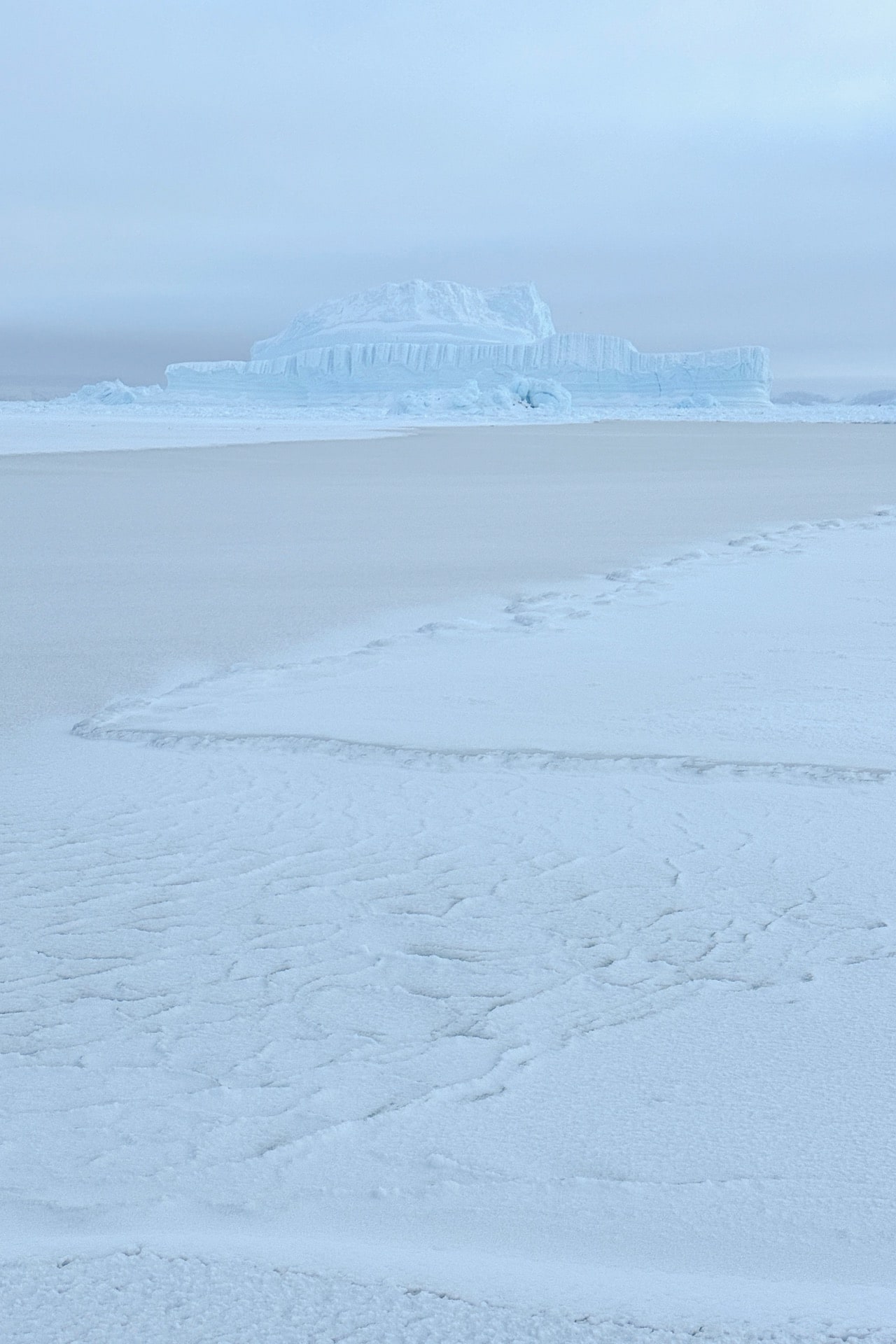
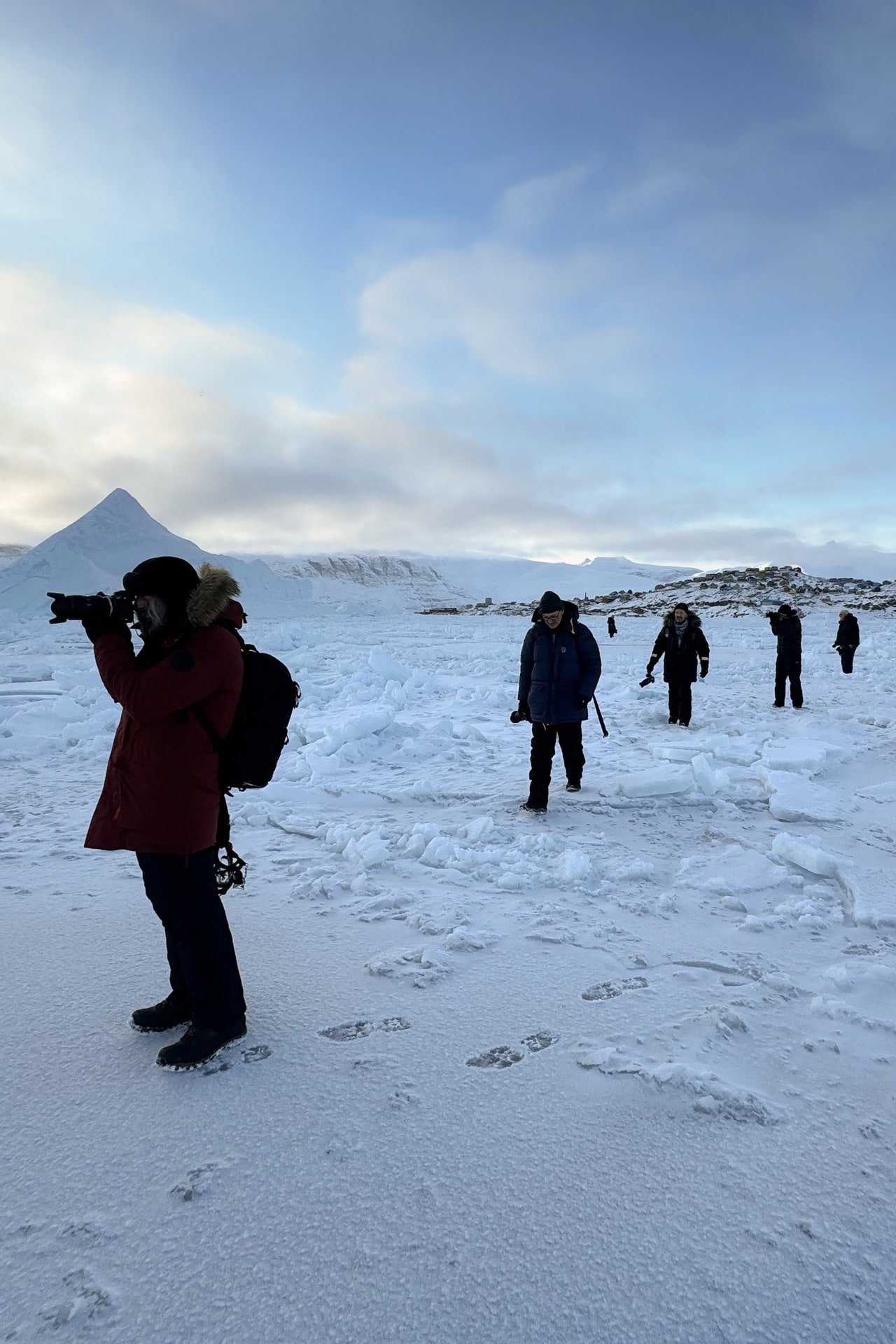
A frozen world out on the sea ice
Food on Uummannaq
Simple Arctic food, fresh fish from the fjord and small stores serving one of Greenland’s remote island communities.
The largest supermarket on Uummannaq is Pilersuisoq, though several smaller shops are scattered around the town.
Fresh fish can often be purchased directly from fishermen at the local fish market. Depending on accommodation hosts meals may also be arranged for visitors.
There is one café in town, though the selection is limited.
Uummannaq Fjord Facts
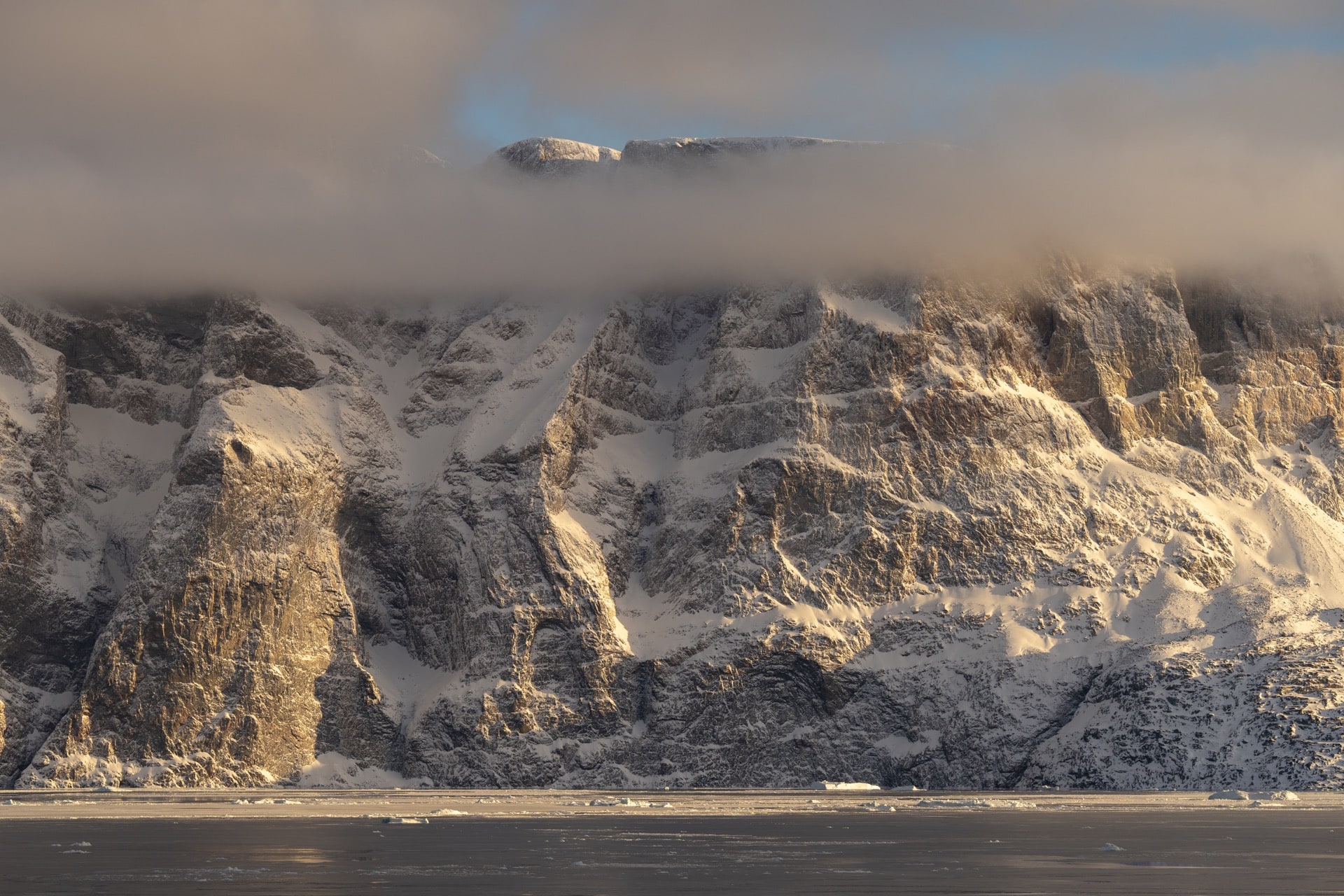
A vast glacial fjord network carved deep into Greenland’s coastline.
One of the longest fjord systems on Earth
The Uummannaq Fjord stretches more than 150 km inland and branches into multiple glacier fed fjords.
Extreme depths
Parts of the fjord exceed 1000 metres (3300 ft) deep.
Classic glacial carving
Thick ice sheets carved these valleys far below sea level during repeated ice ages.
Iceberg factories
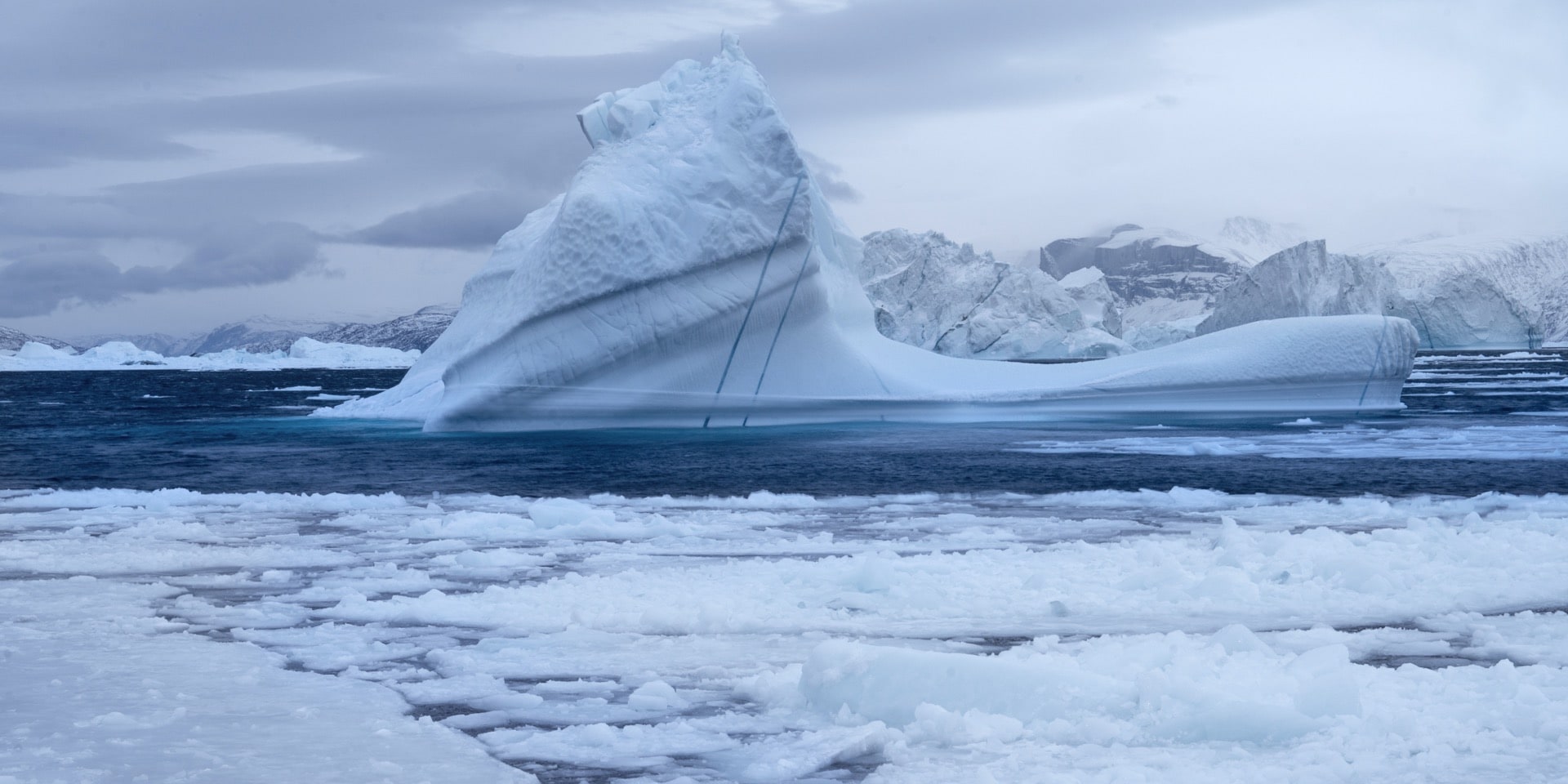
Several outlet glaciers feed the fjord system, producing the huge icebergs that drift past Uummannaq.
Deep fjords allow large icebergs to escape
Because the fjords are so deep, massive icebergs can float out without grounding.
Arctic and Photography Equipment
Extreme cold demands preparation.
The right clothing and camera gear make the difference between struggling in the cold and capturing extraordinary Arctic images.
Please return to the main article Photographing West Greenland in Winter.