TRAVEL ARTICLE
Travelling in West & North Greenland

ARTICLE BY OLLIE TAYLOR ON 27 May 2026
ARTICLE INDEX
At A Glance
Remote Arctic setting
Settlements are isolated along Greenland’s west coast, separated by fjords, mountains and ice.
No road connections
All travel between towns is by air or sea.
Dash-8 network
Dash-8 network
Helicopter access
Around a dozen helicopters operate across the west and north, with only a few on scheduled passenger routes.
Multi-stage travel
Journeys to smaller settlements often involve plane and helicopter transfers.
Weather-dependent
Rapidly changing Arctic conditions frequently disrupt schedules.
Limited capacity
Aircraft serve passengers, cargo and essential supplies, with little redundancy.
Plan for flexibility
Delays, rerouting and extended stays are common.
Travelling Greenland in Winter
Travel in West and North Greenland operates on a different set of rules. This is the high Arctic, where settlements are scattered along a fractured coastline of fjords, ice and open sea, and where distance is measured less in kilometres than in access. There are no roads between towns. Each community exists in isolation, connected only by air and, seasonally, by sea.
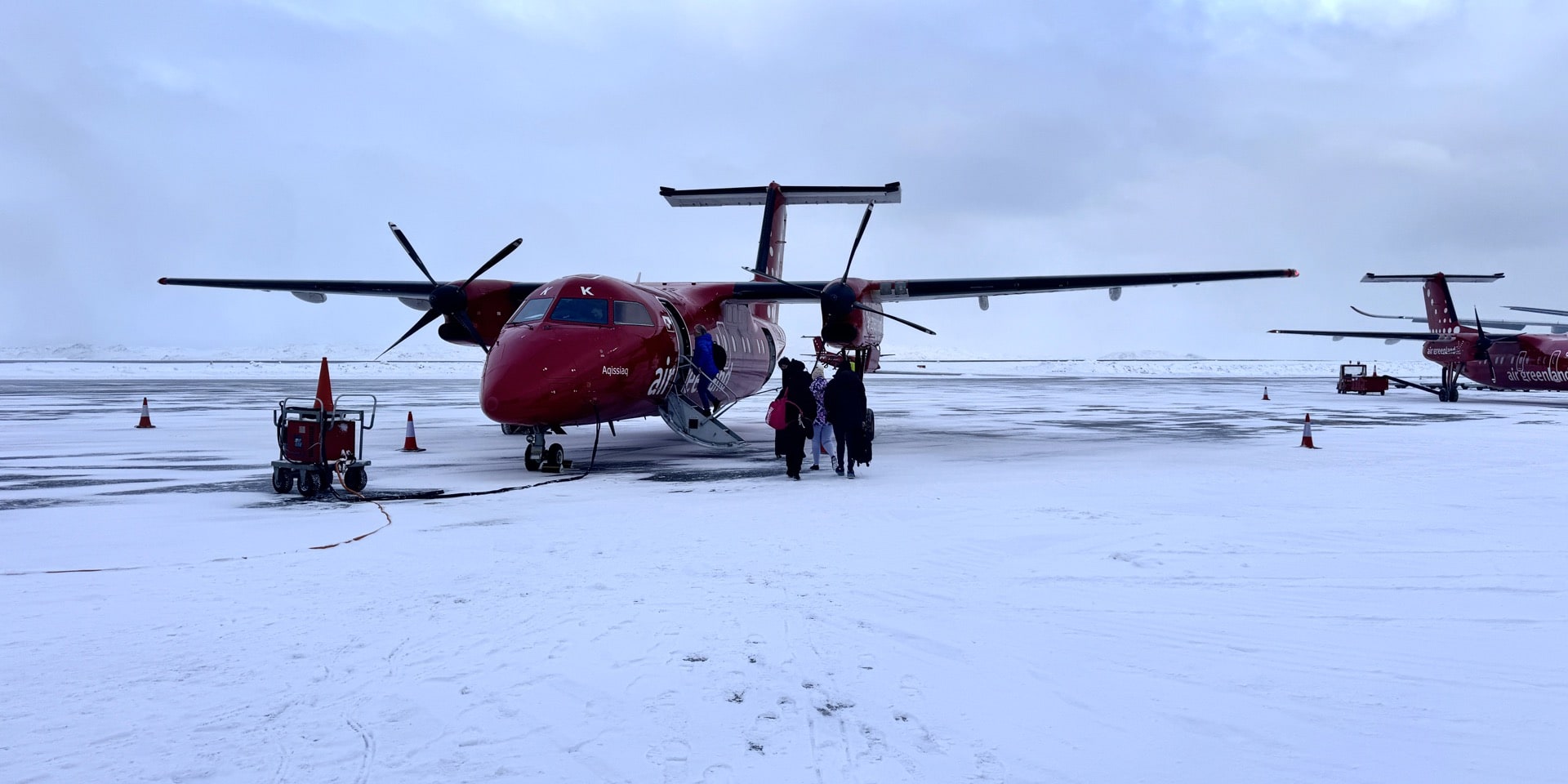
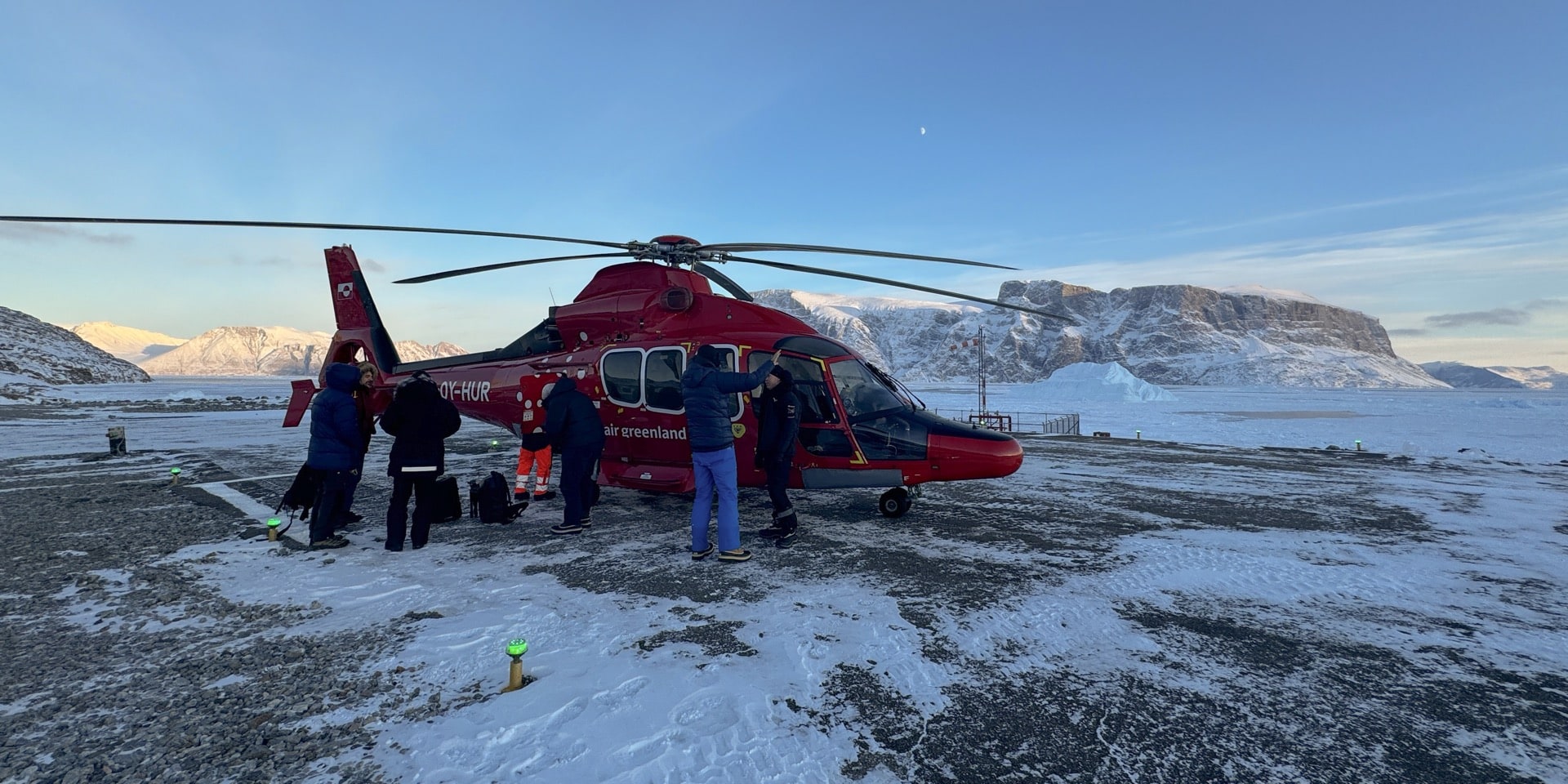
Movement across the region depends on a small, hard-working aviation network. Around 8–10 Dash-8 aircraft form the backbone, linking key hubs such as Nuuk, Ilulissat and Sisimiut. Beyond these points, helicopters extend the network outward to smaller settlements. In places like Uummannaq and Upernavik, reaching your destination typically means transferring onto a helicopter for the final leg.
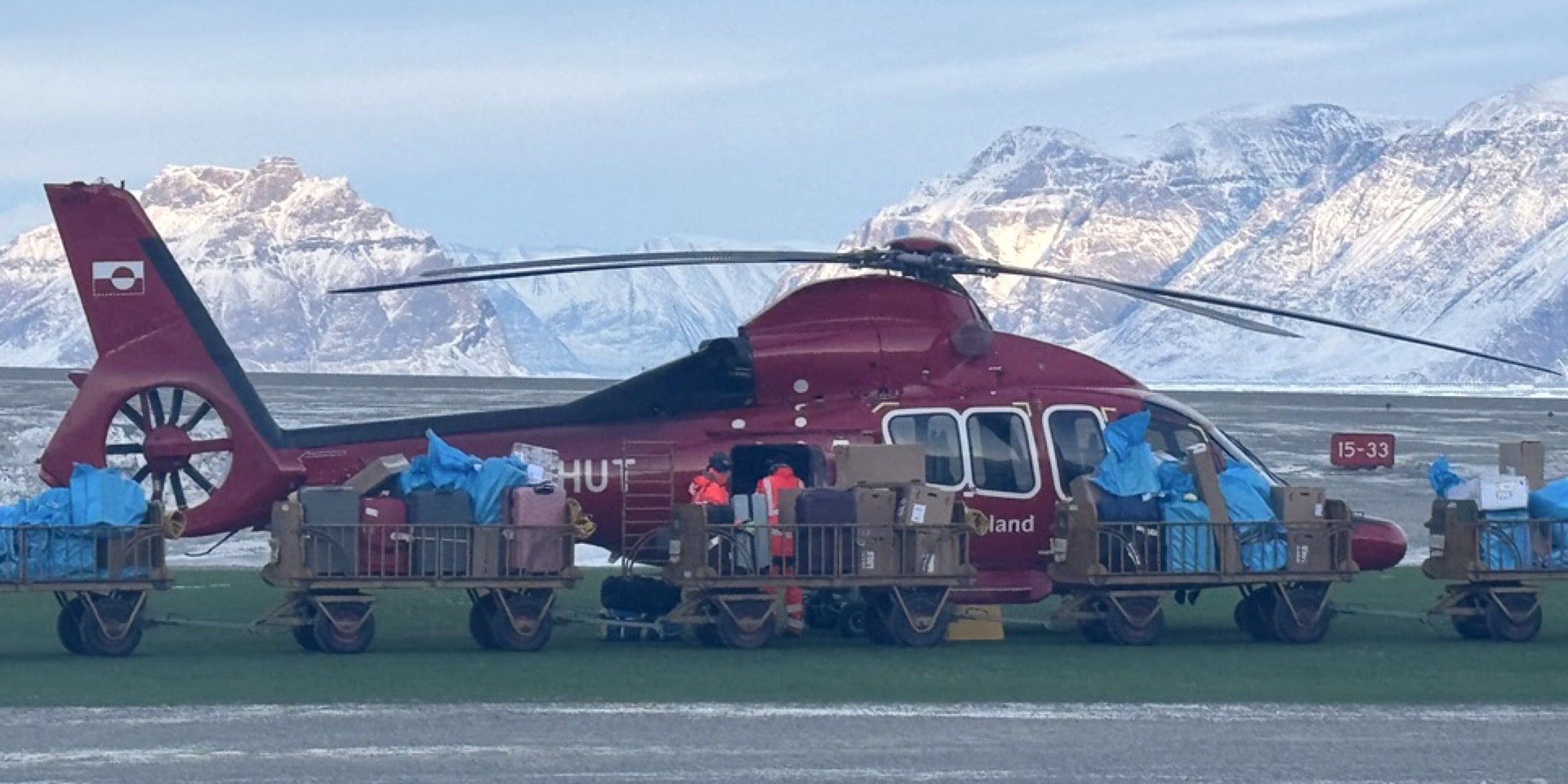
The scale of the landscape against the size of the fleet defines how the system works. Aircraft are used across multiple roles, carrying passengers, cargo and essential supplies across the same routes. While the total helicopter fleet is larger on paper, only around a dozen aircraft are active across the west and north at any given time once maintenance, charter work and southern contracts are factored in. Of these, only a small number operate regular passenger services.
Weather remains the dominant constraint. Conditions can shift rapidly, with fog, wind, snowfall and low visibility frequently interrupting operations. Flights are delayed or cancelled as required, sometimes at short notice, and entire regions can pause while conditions stabilise. With limited capacity across the network, even minor disruptions can take time to resolve, particularly when travelling to more remote settlements.

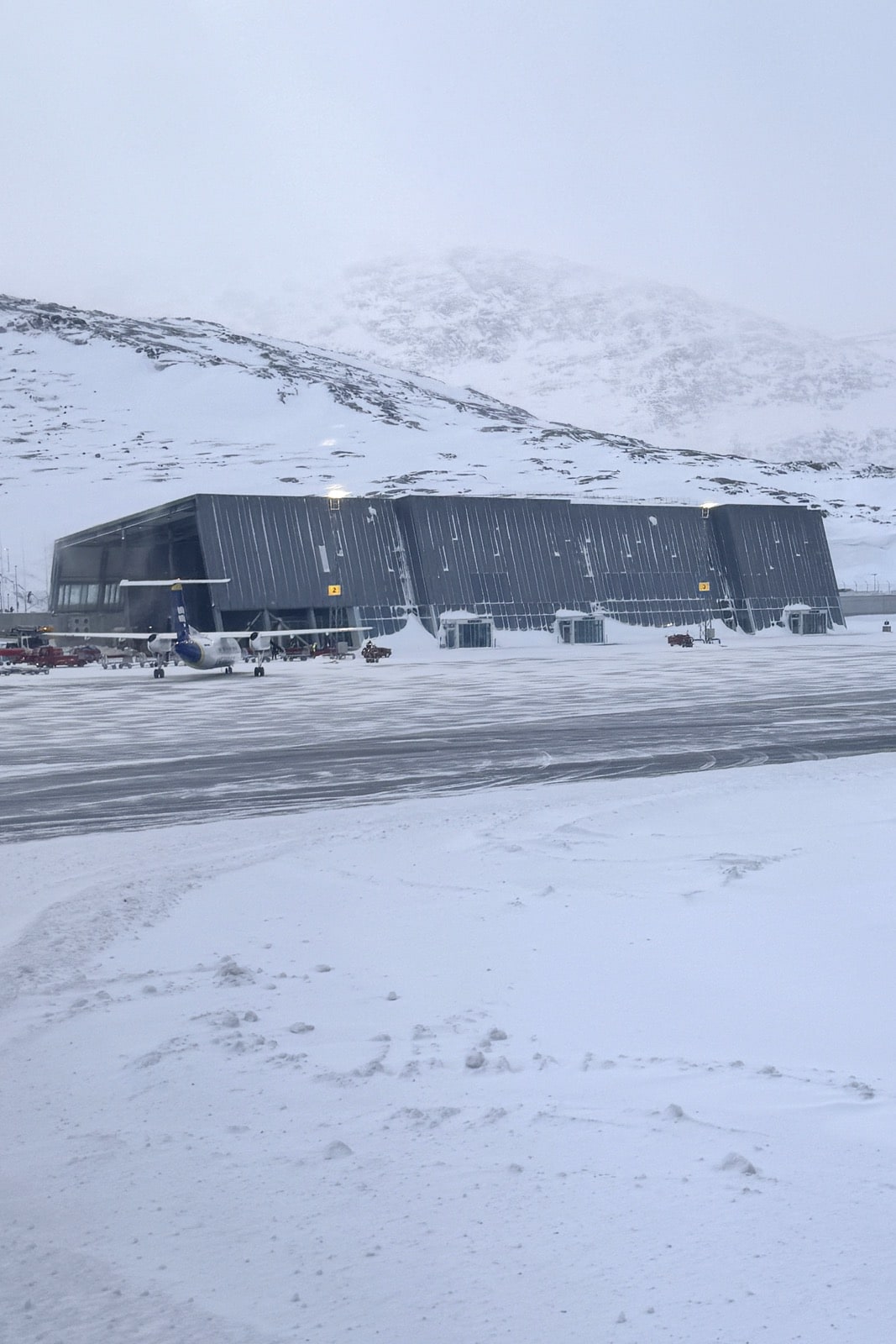
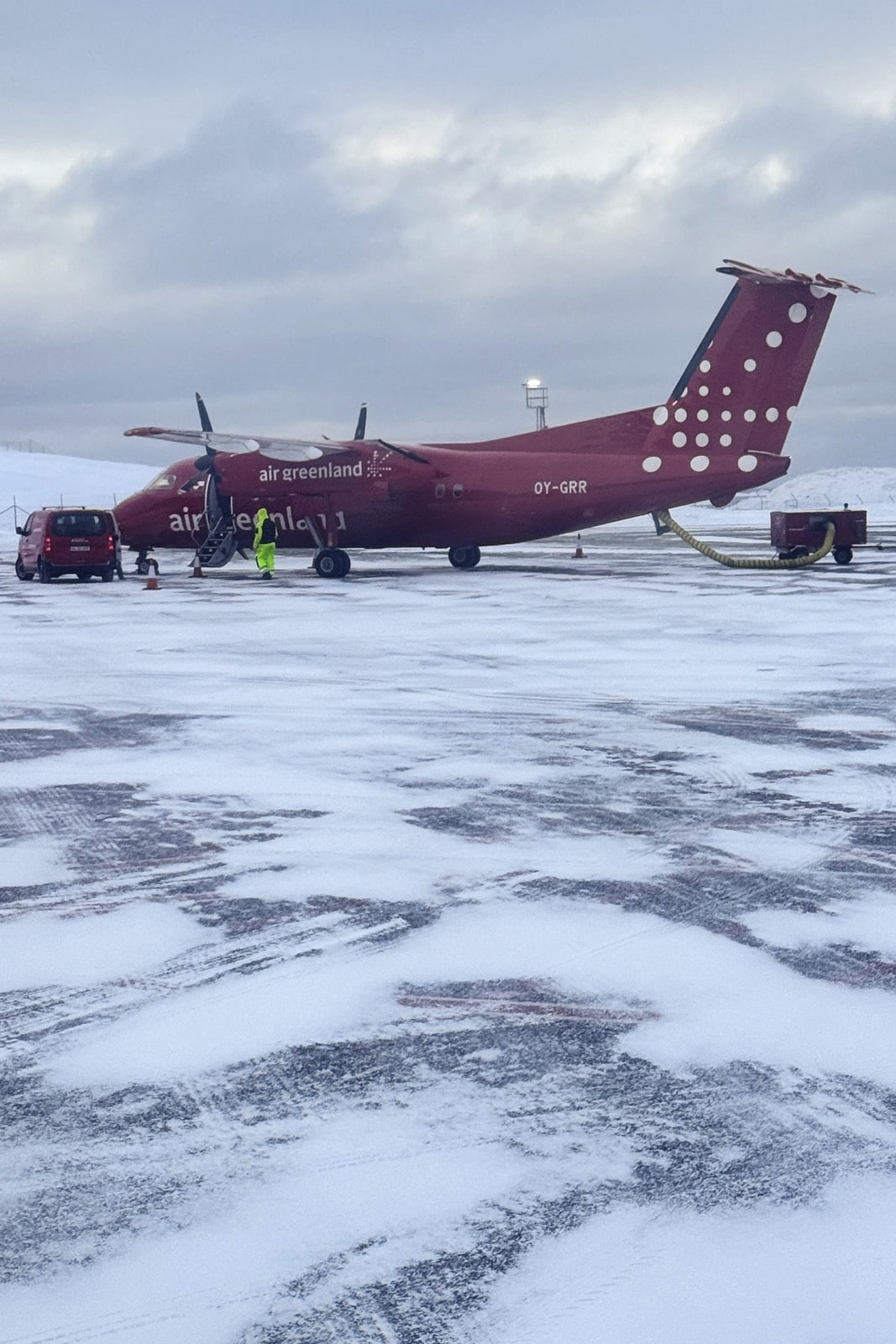
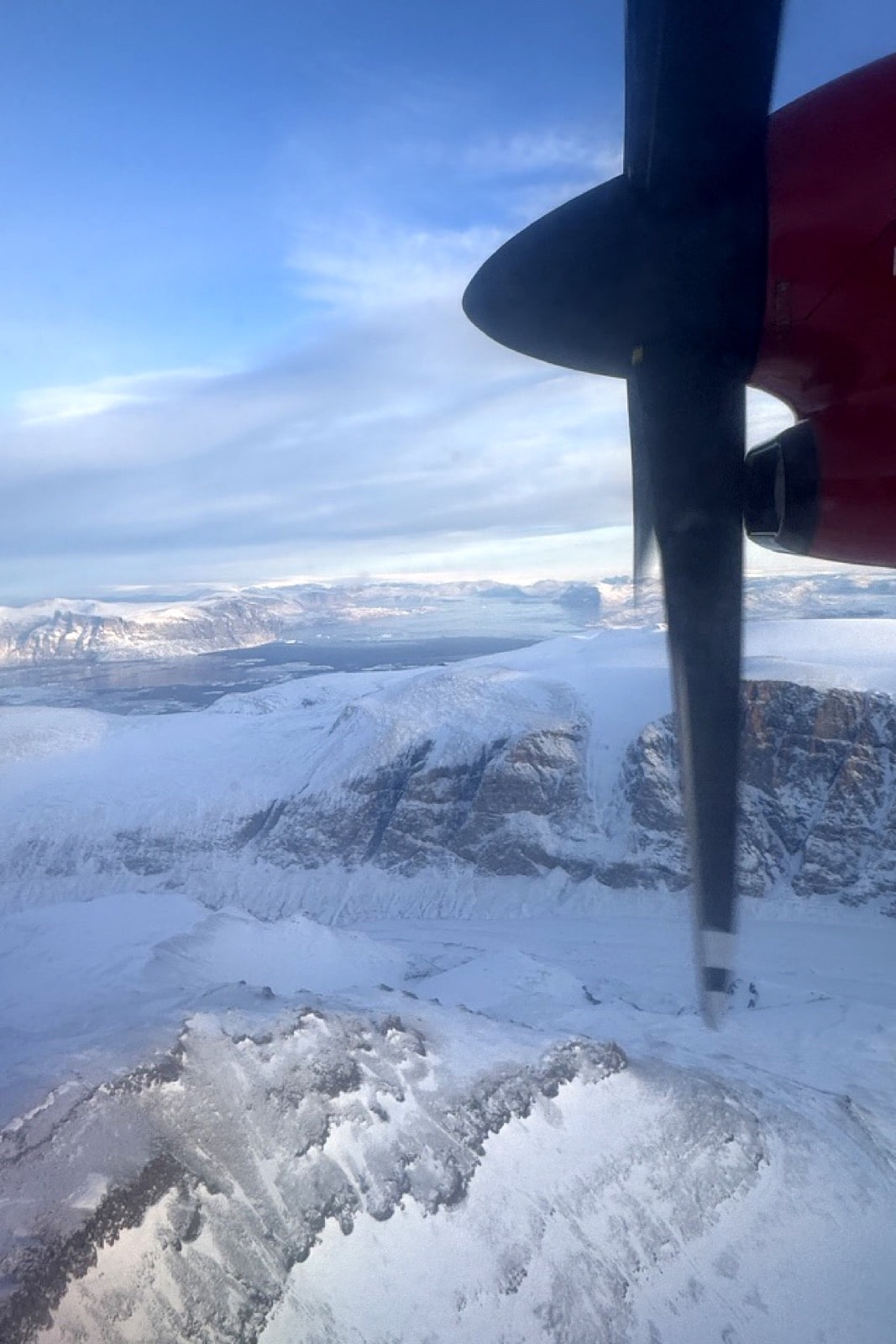
1 – Airbus H155 leaves Uummannaq, 2 – Nuuk International Airport, 3 – Dash-8, 4 – flying over Greenland in winter
For travellers, flexibility is not optional. Schedules change, routes are adjusted, and additional nights in transit are part of the experience. Airlines provide support where possible, but the rhythm of travel is set by weather, geography and the limits of the system itself, delays are very common and can be quite long, naturally having an impact on onward travel.