
ARTICLE INDEX
Greenland Winter Photography: What Makes West Greenland Special?
Winter transforms West Greenland into one of the most dramatic photography destinations in the Arctic.
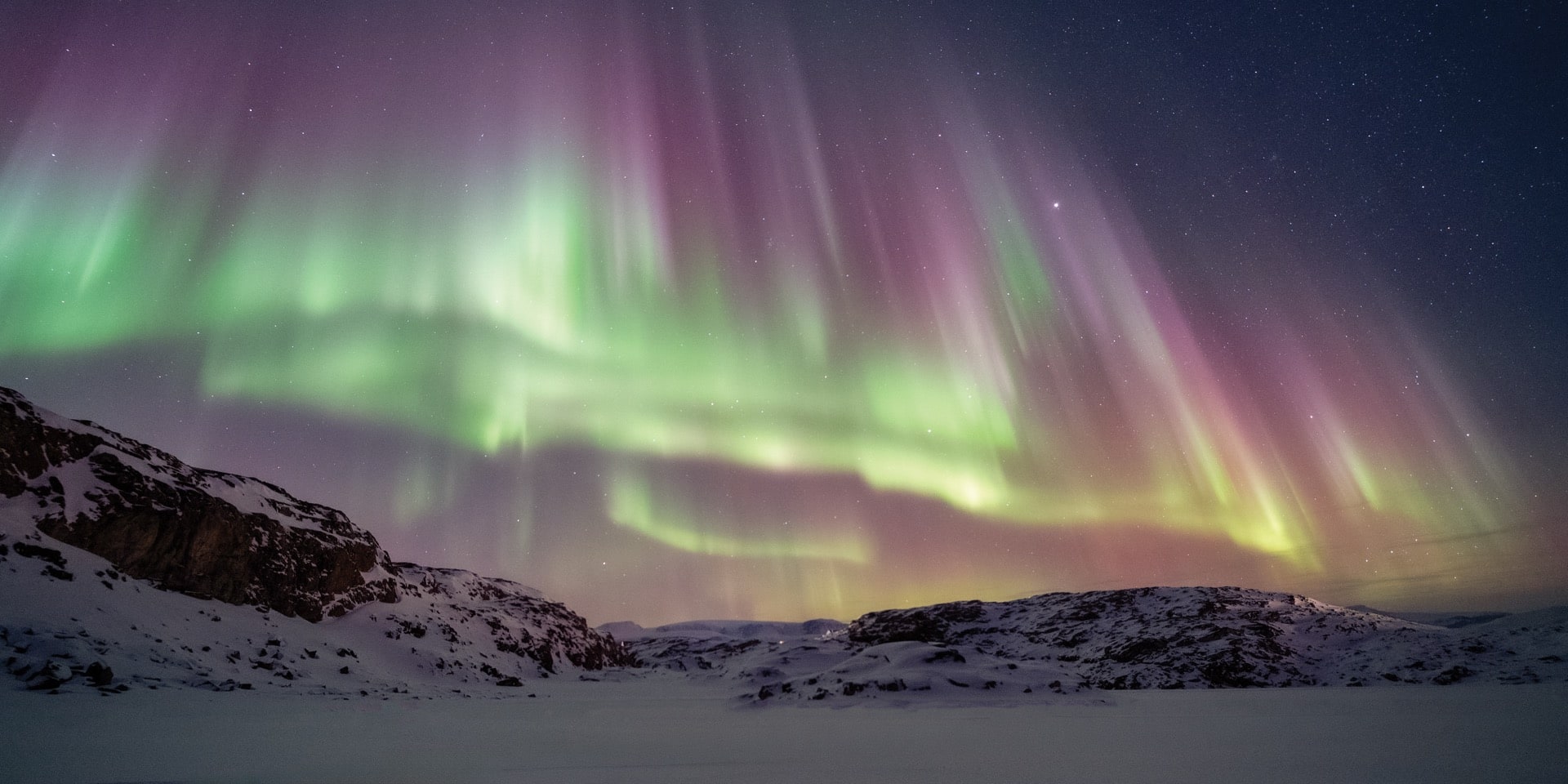
West Greenland in winter can feel like a photographer’s paradise. The whales have gone and some places become less accessible as snow settles across the landscape, but what replaces them is something equally compelling. Northern lights shimmer overhead on clear nights, while the low Arctic sun creates extraordinary light during the day.
For many photographers interested in Greenland winter photography, this season offers some of the most dramatic conditions in the Arctic.
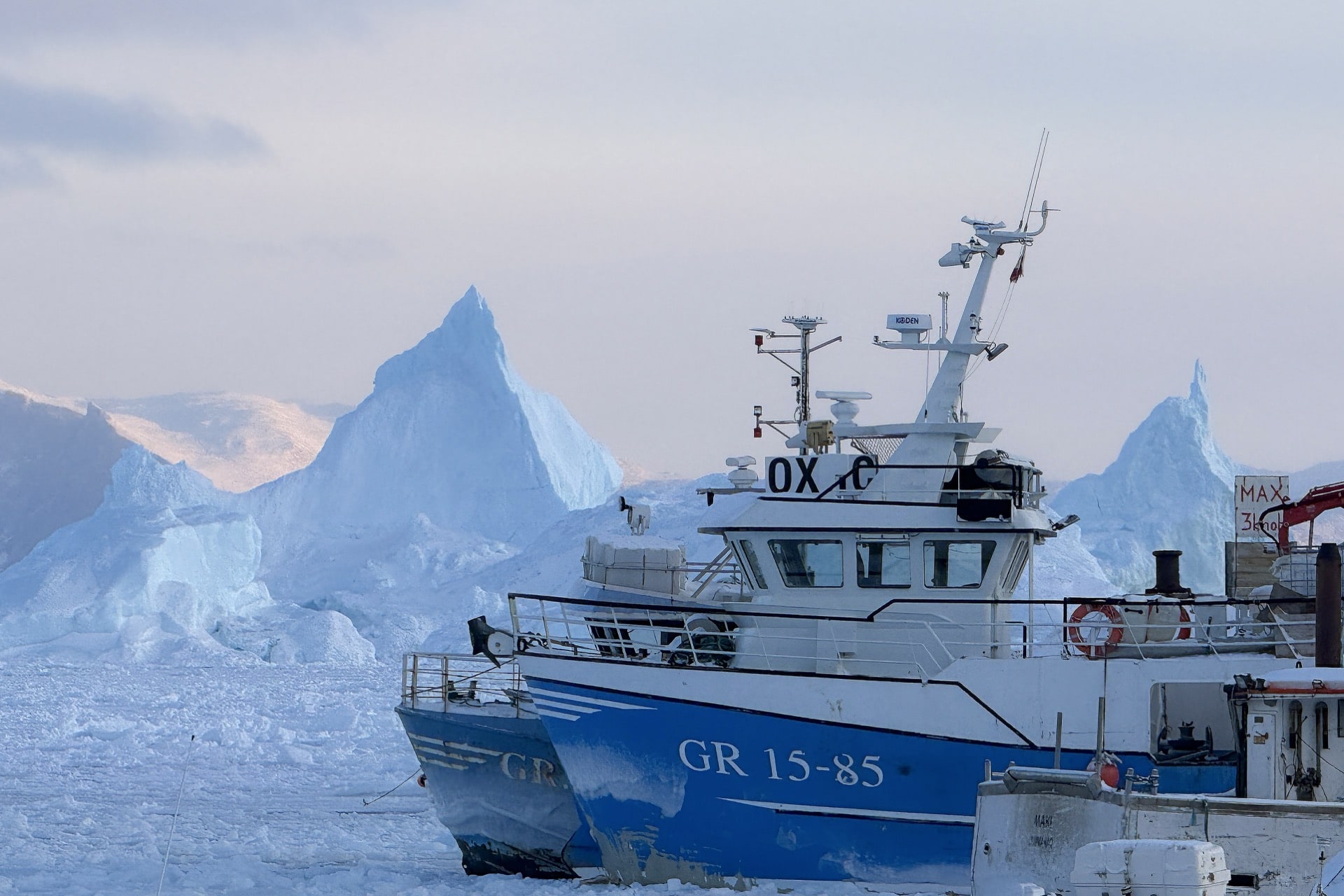
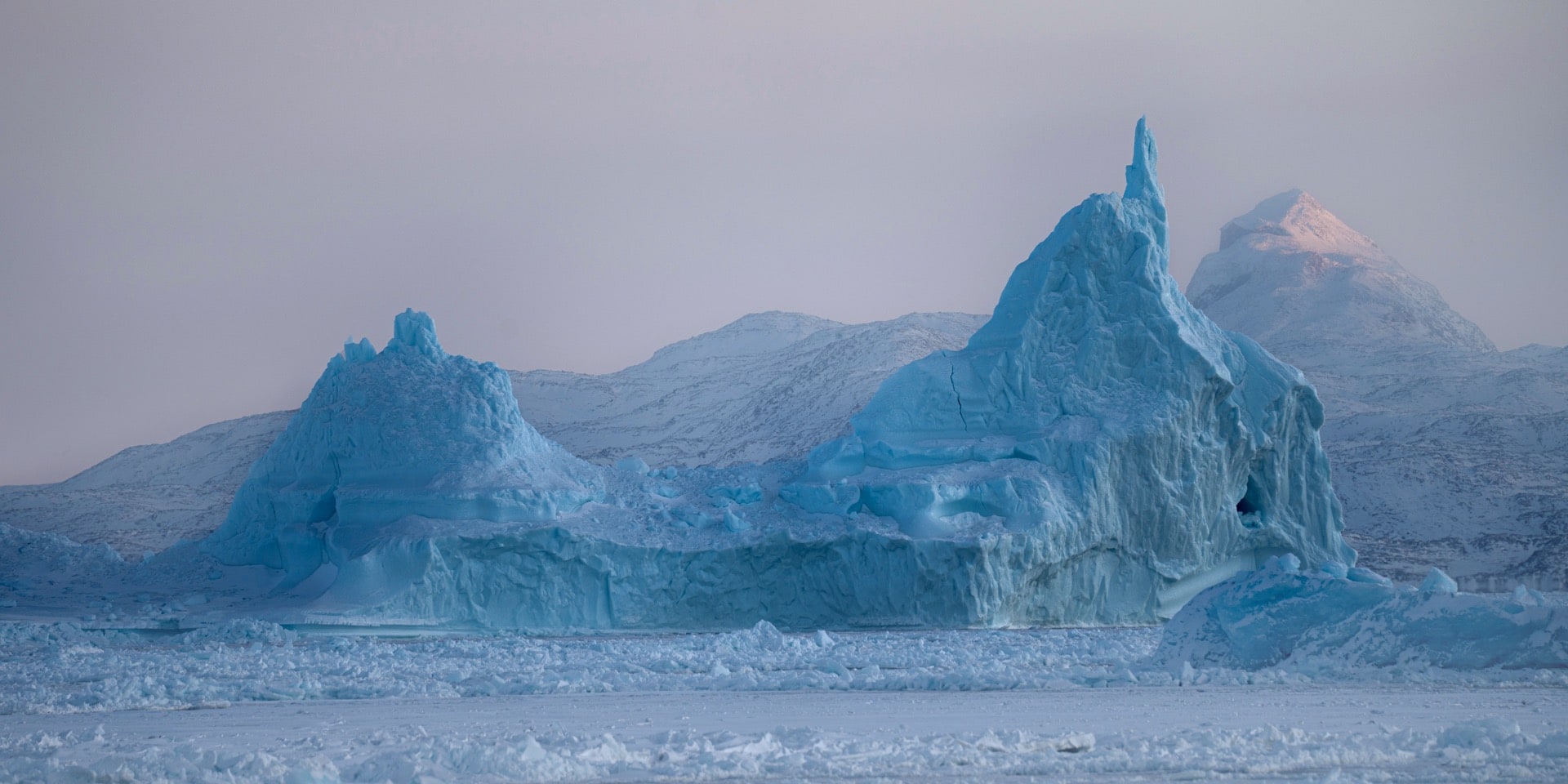
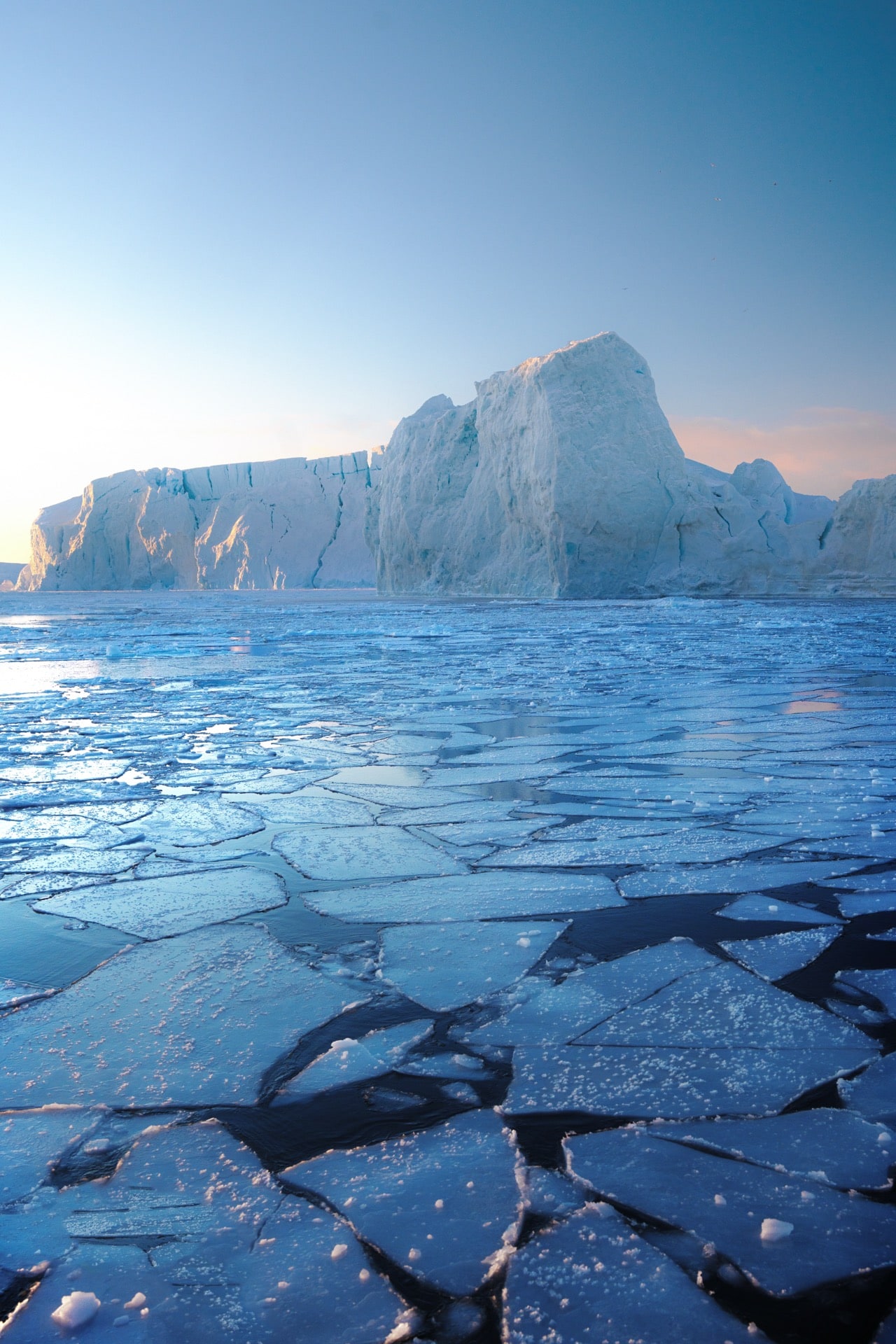
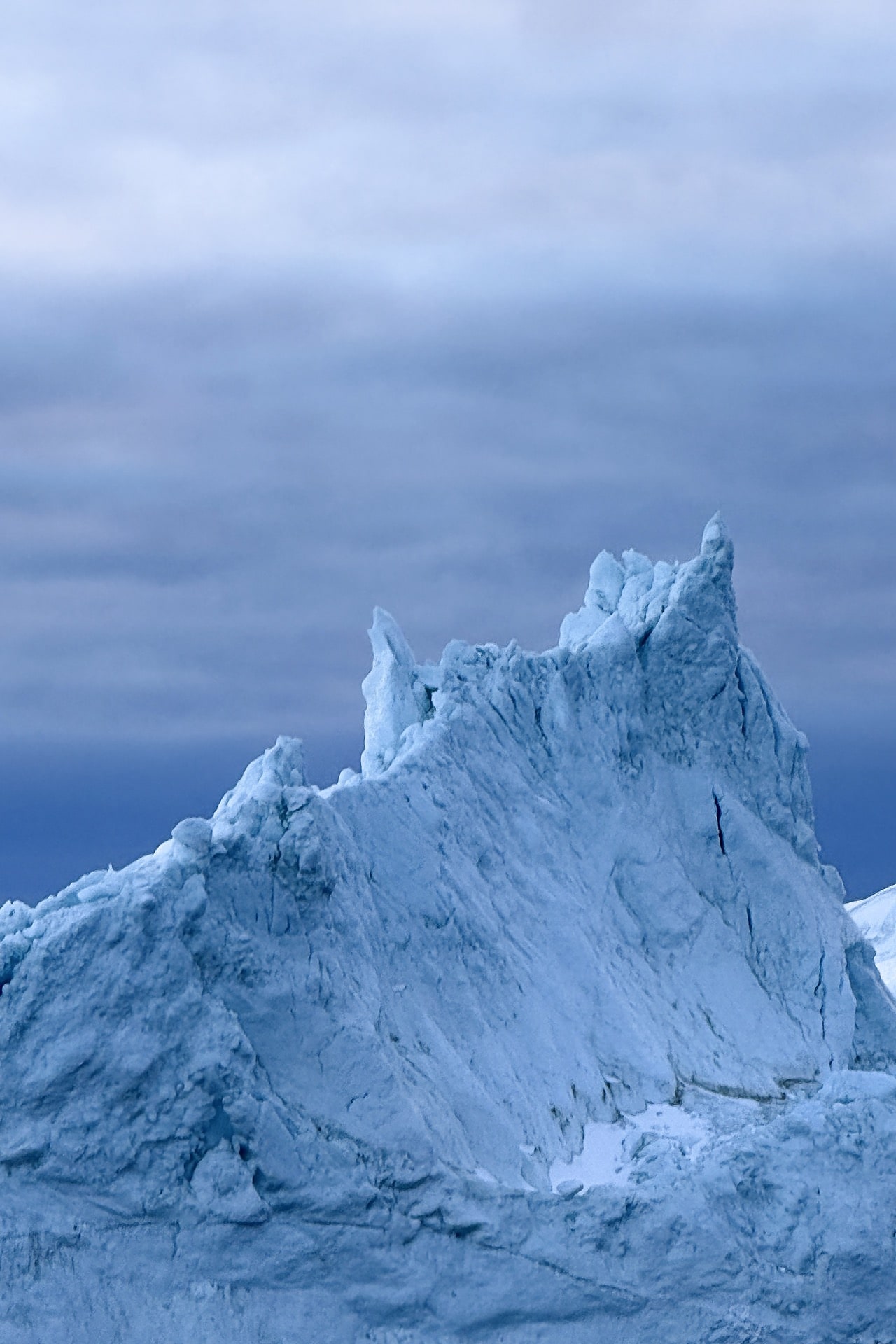
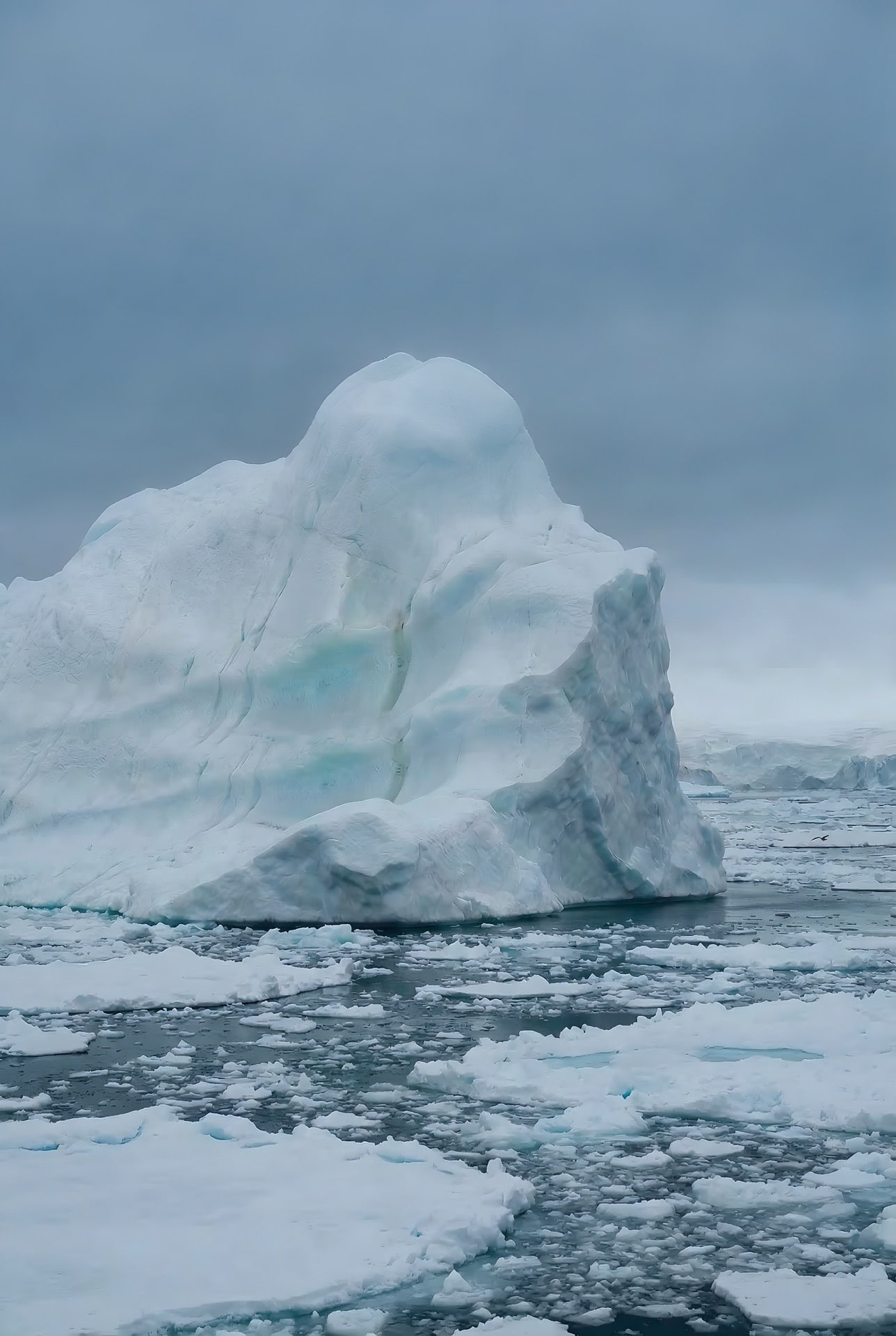
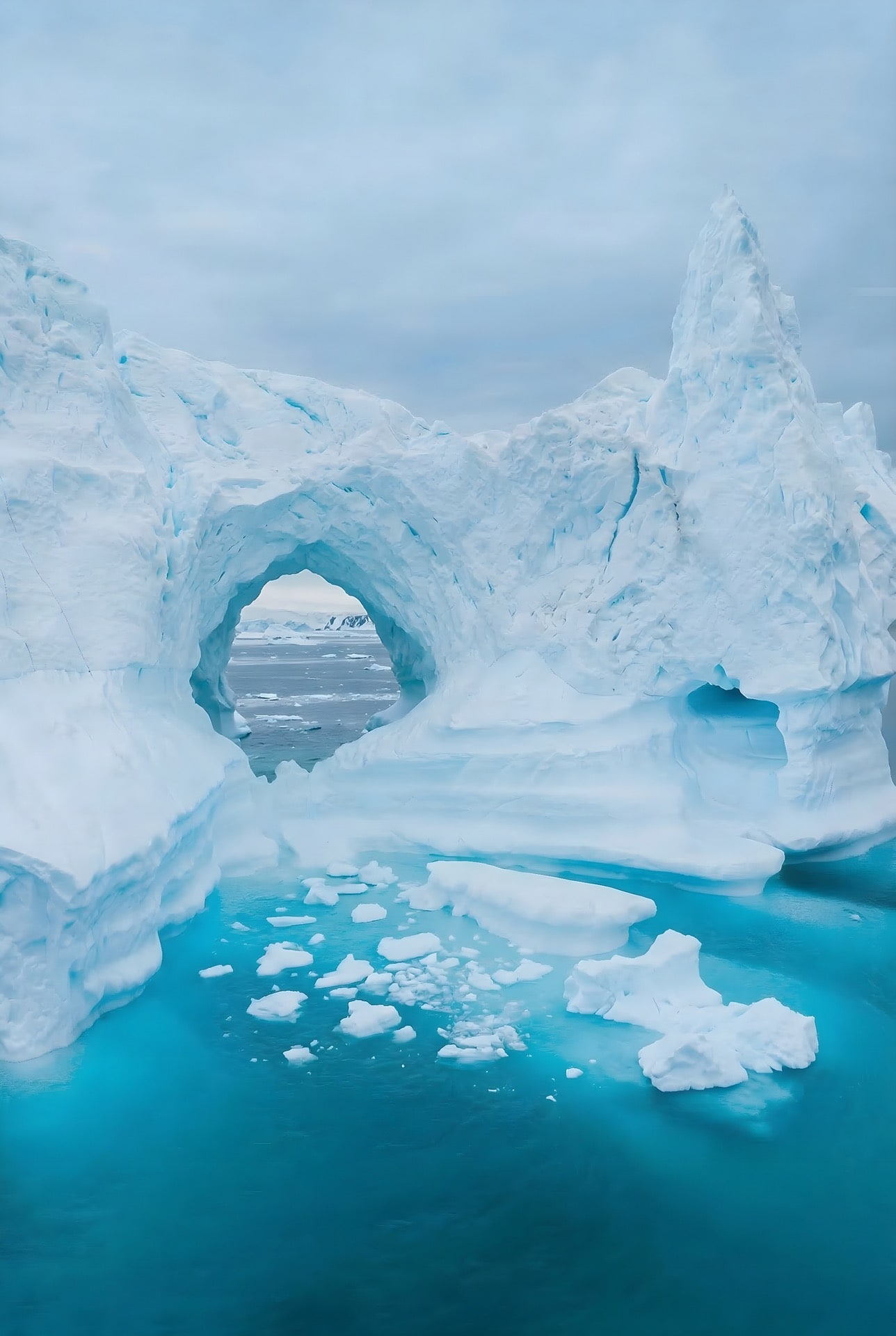
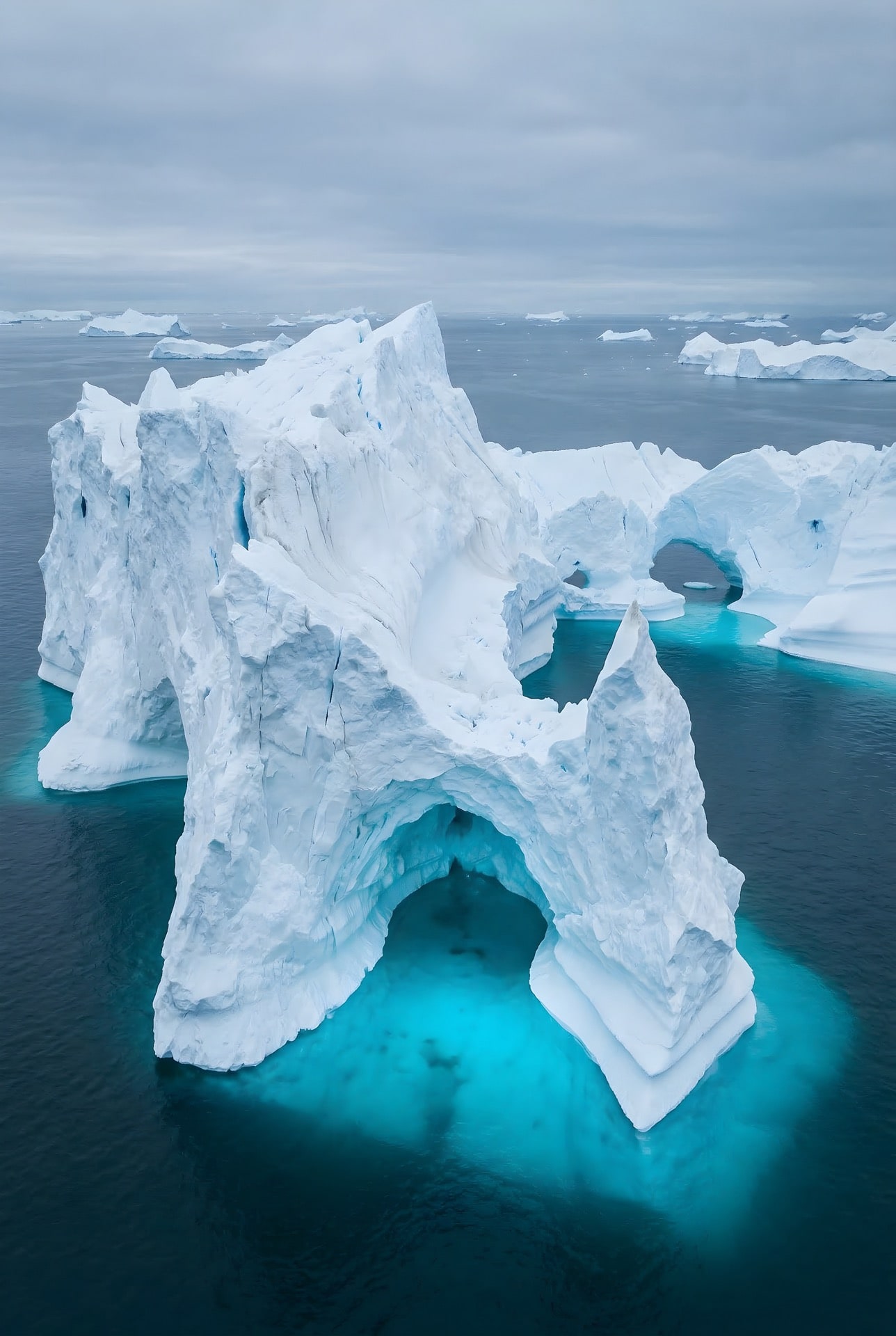
Cloudy conditions can add atmosphere to the ice-filled fjords, transforming drifting icebergs and frozen coastlines into dramatic monochrome scenes. Travelling through these landscapes by boat or icebreaker, surrounded by towering bergs, is an experience in itself.
Across the region, from the capital Nuuk to the iceberg-filled waters of Ilulissat and the remote island town of Uummannaq, winter reveals a quieter and more atmospheric side of Greenland.
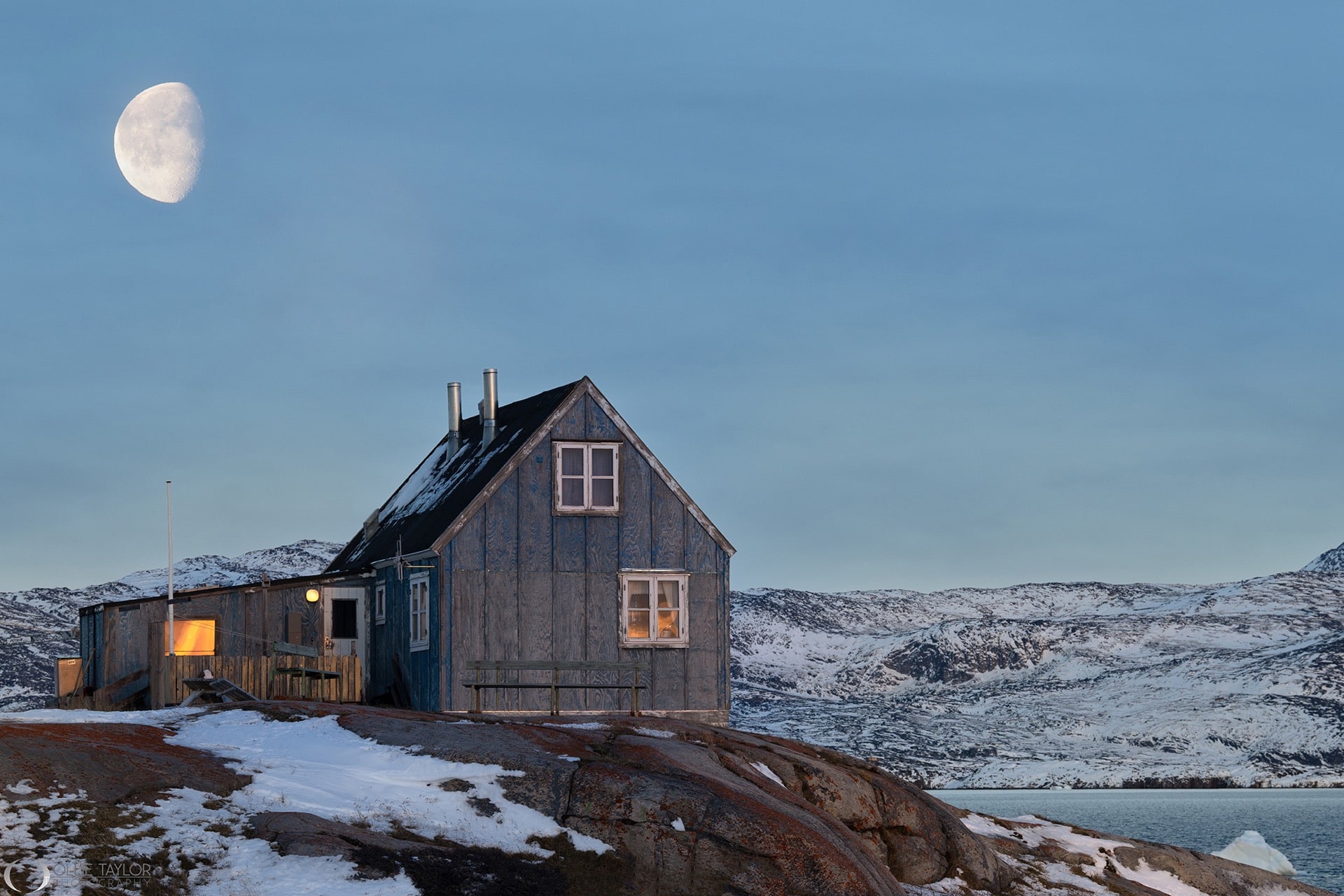
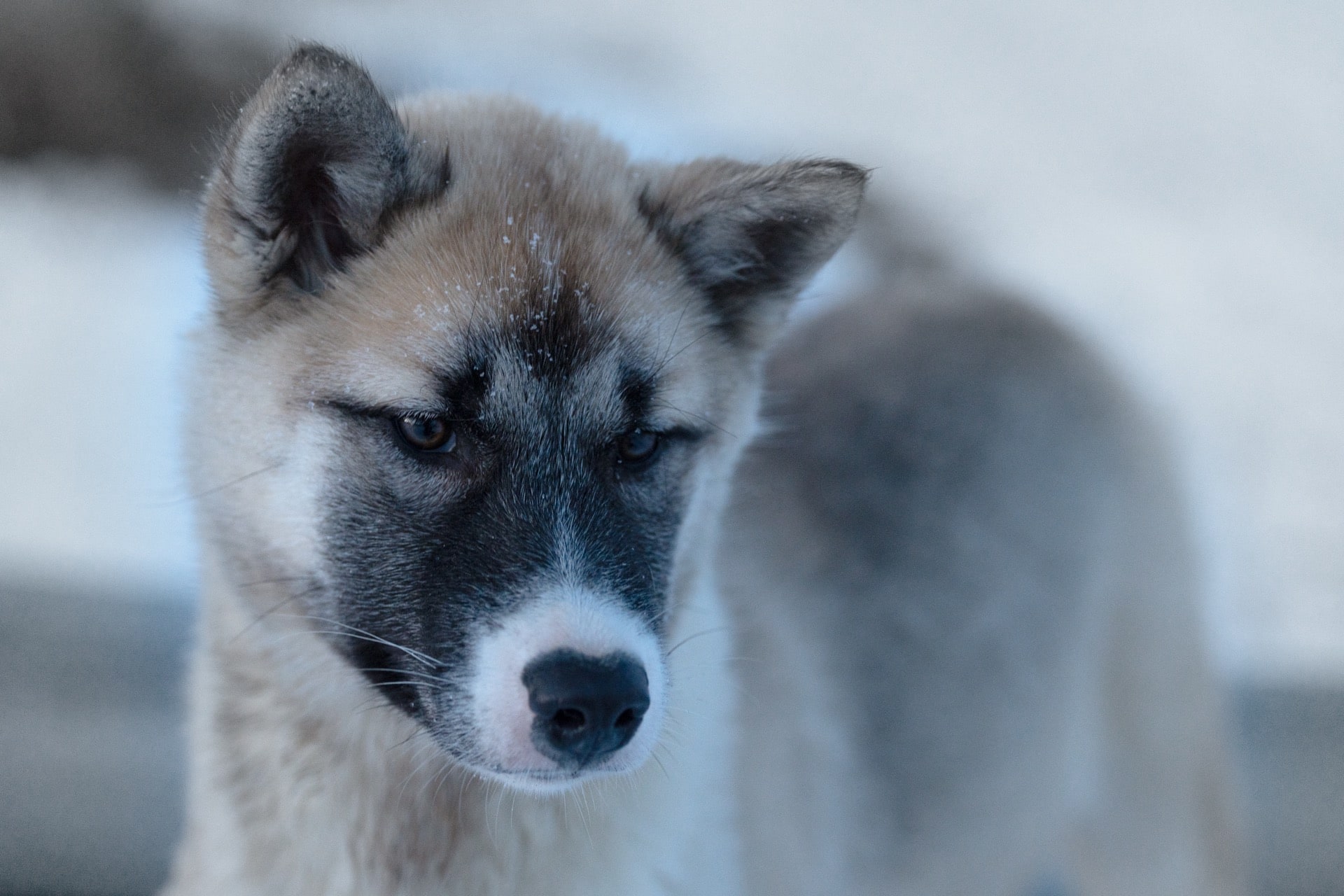
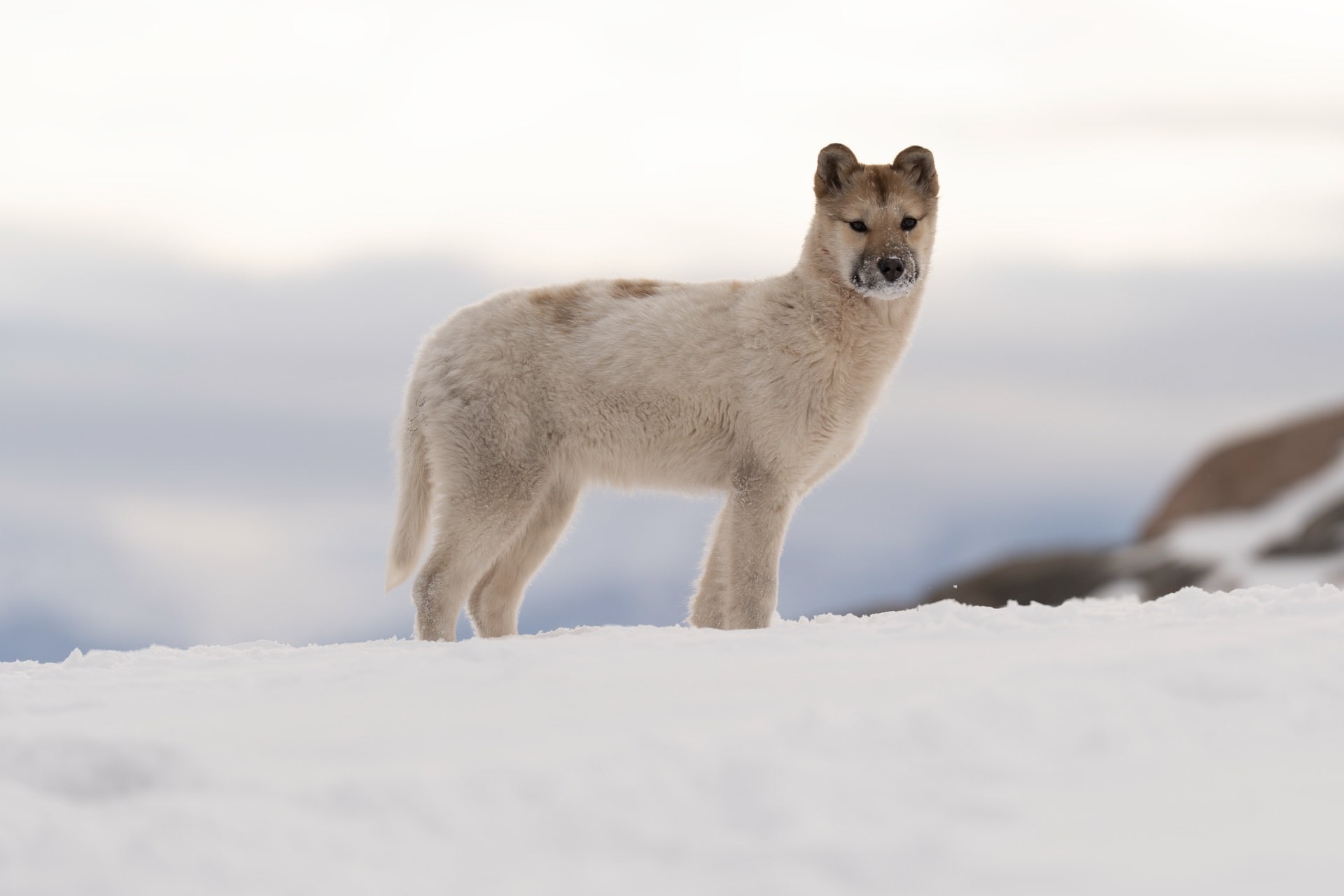
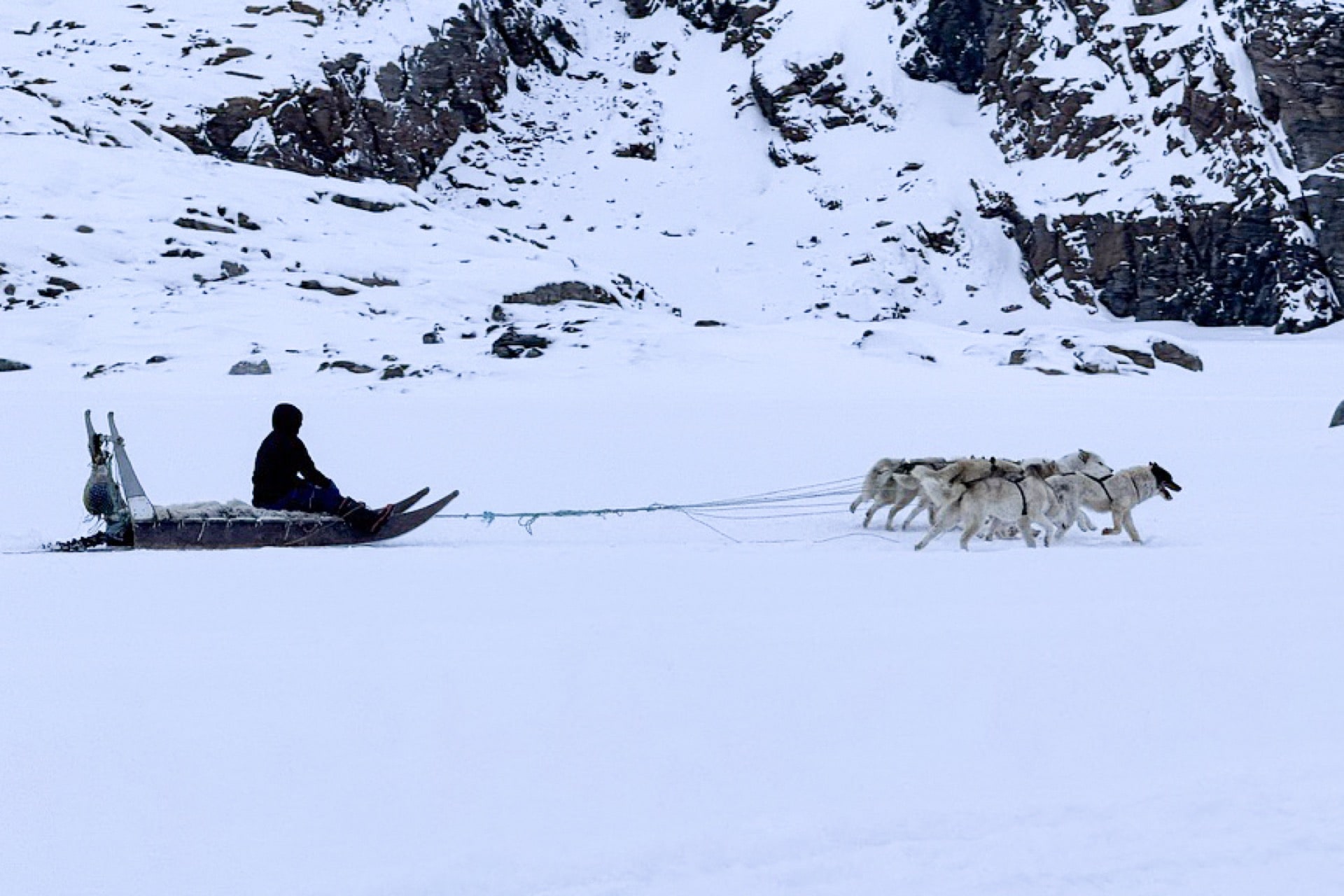
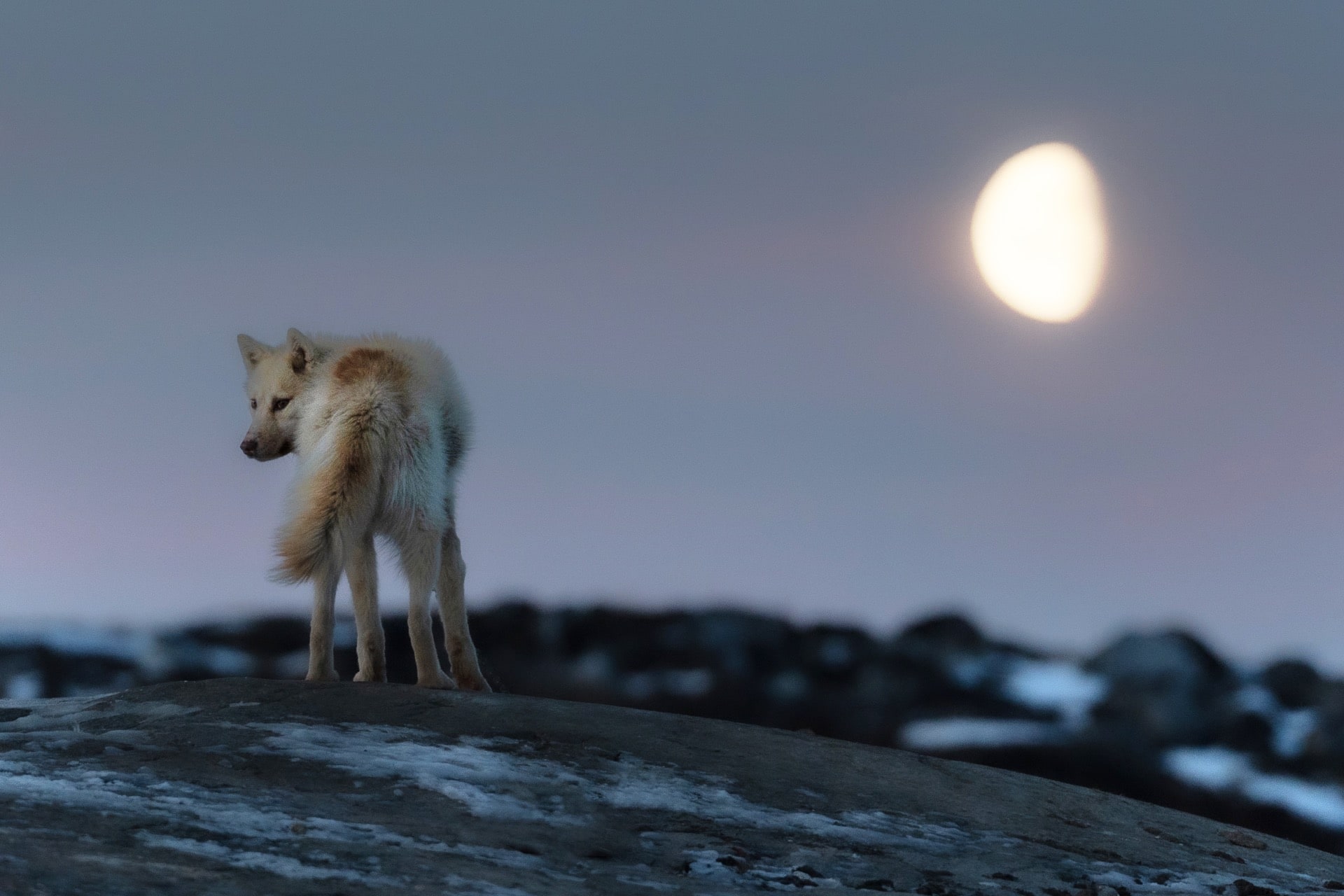
The more remote villages feel even more isolated in winter, reminding you just how far north you have ventured into this Arctic region. Photographic opportunities are everywhere, from arctic land, night, and townscapes, travel-style imagery to glimpses of local culture and daily life. And of course, plenty of sled dogs.
Greenland winter photography is very different than places like Iceland or Norway, it is a little more restrictive as there are no roads, and travel is harder and experiences more delays. Greenland in winter still has an undiscovered magic to it, and as Iceland and locations like Lofoten have become increasingly popular, it offers opportunity to get a broader spectrum of unique images as there are currently few in circulation, and therefore oversaturation.
Quick Winter Facts
Average winter temperature: −10°C to −20°C
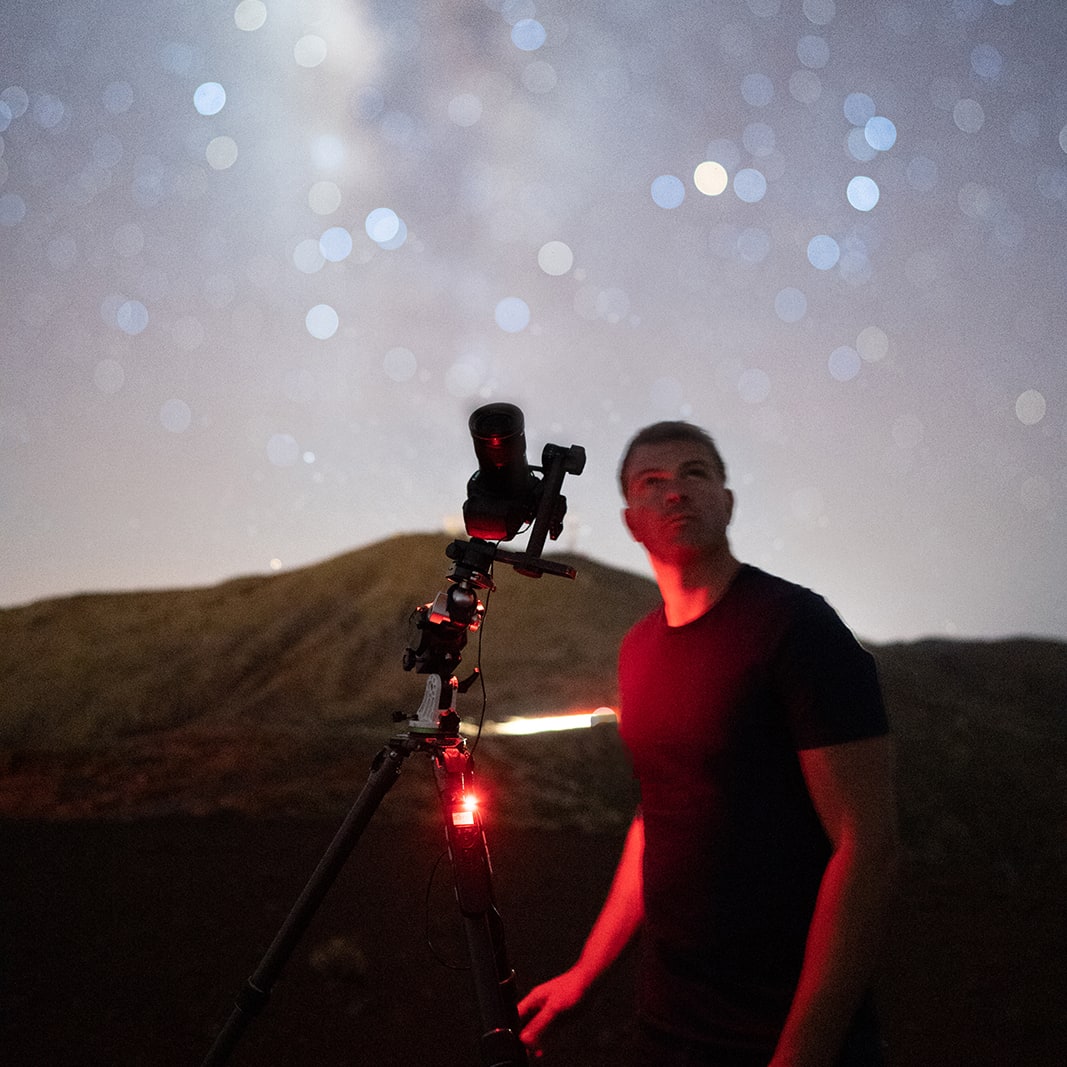
Best months for northern lights: Late September – March
Key photography locations: Nuuk, Sisimiut, Ilulissat, Disko Bay, Uummannaq
Winter daylight: roughly 3–7 hours in mid-winter depending on latitude
Main travel hub: Nuuk

West Greenland Winter Climate
Cold, clear air and low Arctic light define winter conditions across much of West Greenland.
Winter in West Greenland is cold, stable, and visually striking in a very raw way. Coastal temperatures typically sit between −10°C and −20°C, although colder periods can push much lower, particularly away from the sea.
Recent years have seen slightly warmer winters and more turbulent weather, with wind becoming more common in a region once known for calm, clear winter skies. In January 2026, Nuuk recorded its warmest January in 109 years. Greenland, sitting largely within the Arctic Circle, remains one of the regions most affected by climate change.
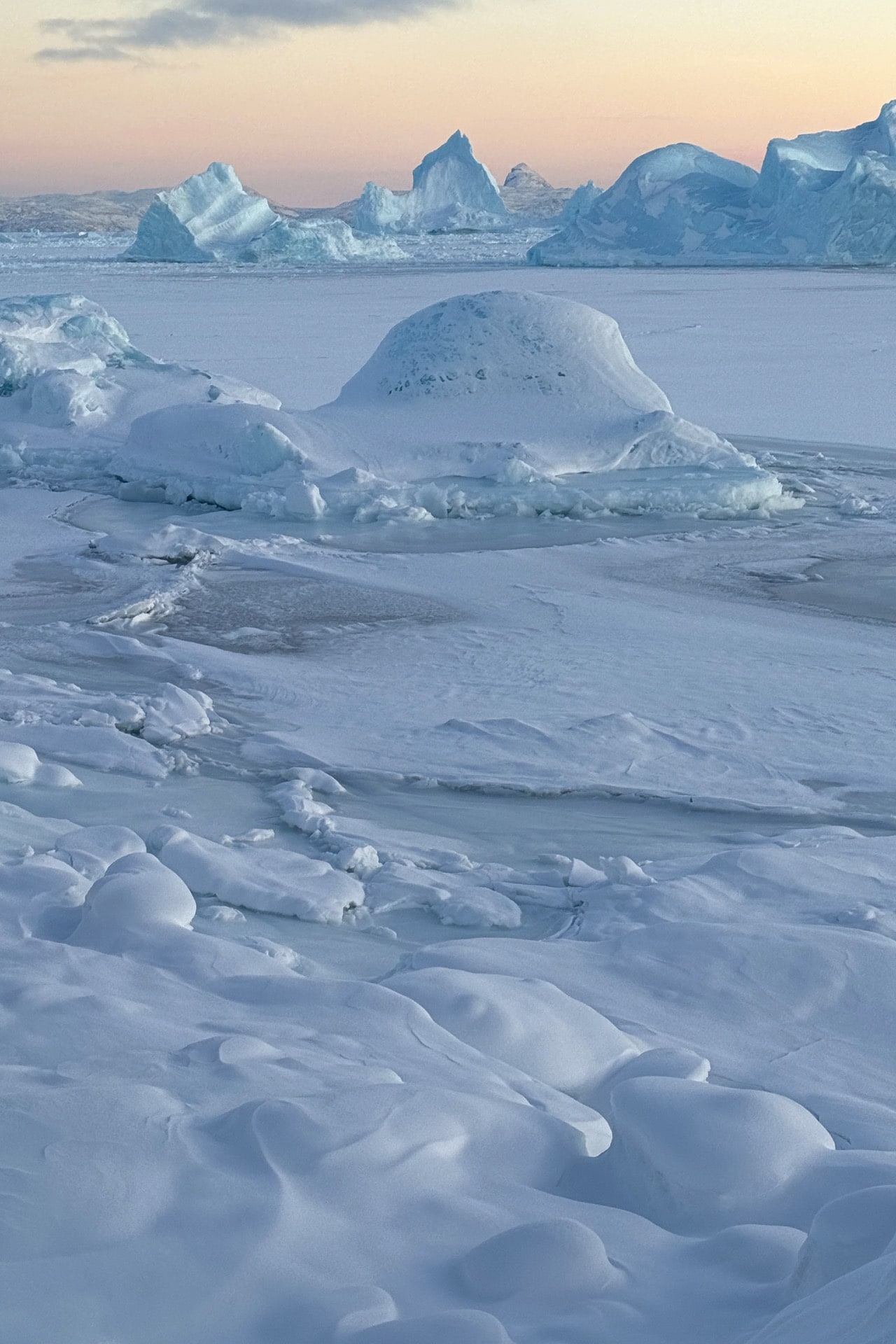
Despite this, travelling through West Greenland in winter still rewards visitors with many clear, crisp days and beautiful Arctic light. For photographers this means long periods of low sun, creating soft colours and long shadows across the ice-filled fjords, while clear nights frequently bring excellent chances of seeing the northern lights.
Daylight in Winter
Low sun angles and long twilight periods give Arctic winter its distinctive photographic light.
Daylight hours are limited during the Arctic winter, but this is part of what makes the light so special. The sun remains low on the horizon, producing extended blue hours and long periods of soft twilight that photographers often prefer to the harsher light of summer.
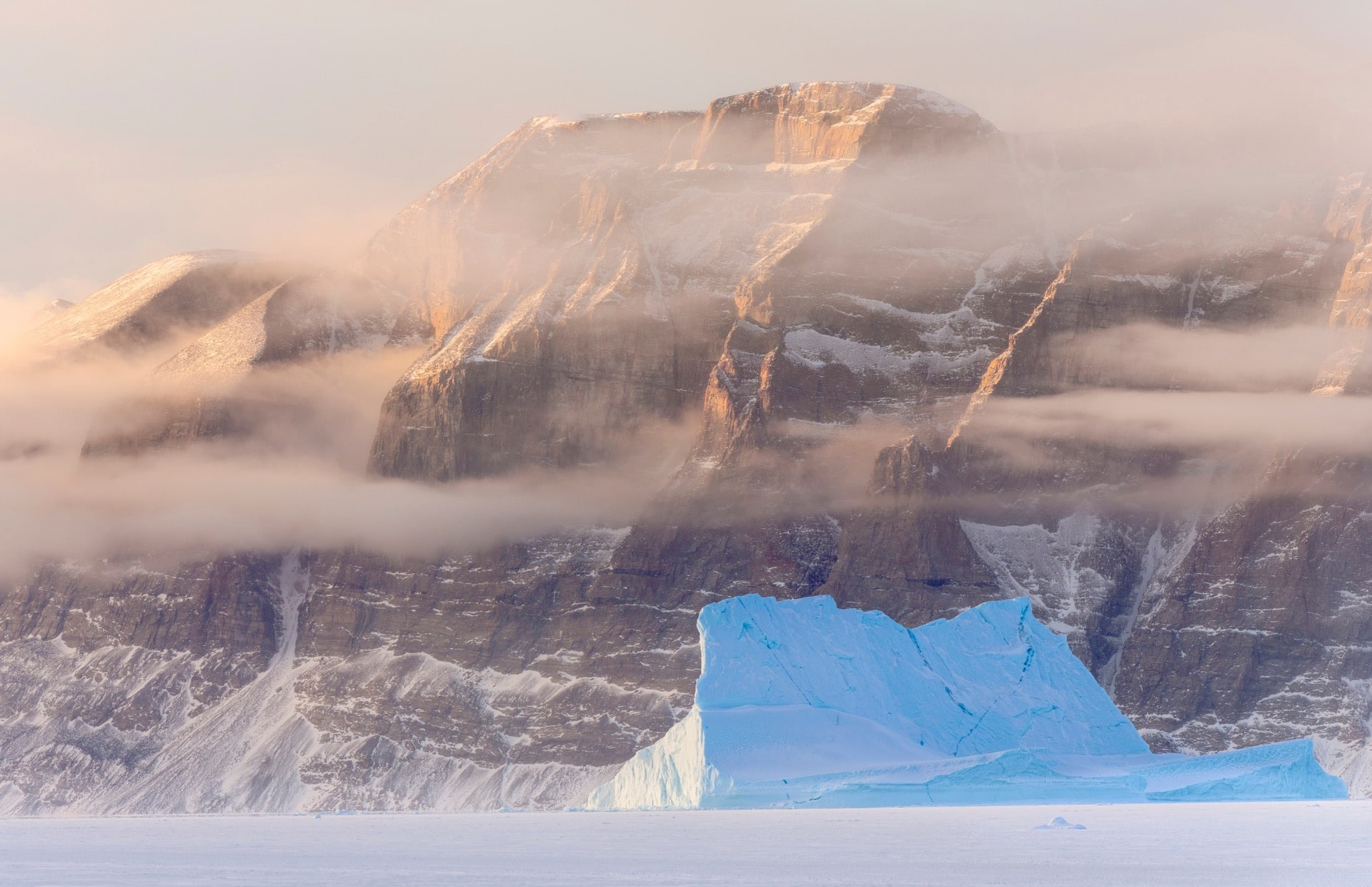
Further north, locations such as Uummannaq experience conditions approaching polar night, where the sun barely rises above the horizon for part of the winter. Even so, the sky often glows with subtle colour during the middle of the day, creating unique shooting conditions that can last for several hours. Naturally polar night also enhances the opportunity to capture the Northern Lights in Greenland.
Read into Polar Night further here.
Nuuk – Greenland’s Capital
Greenland’s capital blends modern Arctic life with deep geological and colonial history.
Nuuk is the capital and largest city in Greenland, with a population of around 19,000 people, roughly a third of the country’s residents.
Located on the southwest coast at the mouth of a vast fjord system, the city blends modern Greenlandic life with Danish colonial history, having been founded in 1728 by missionary Hans Egede.
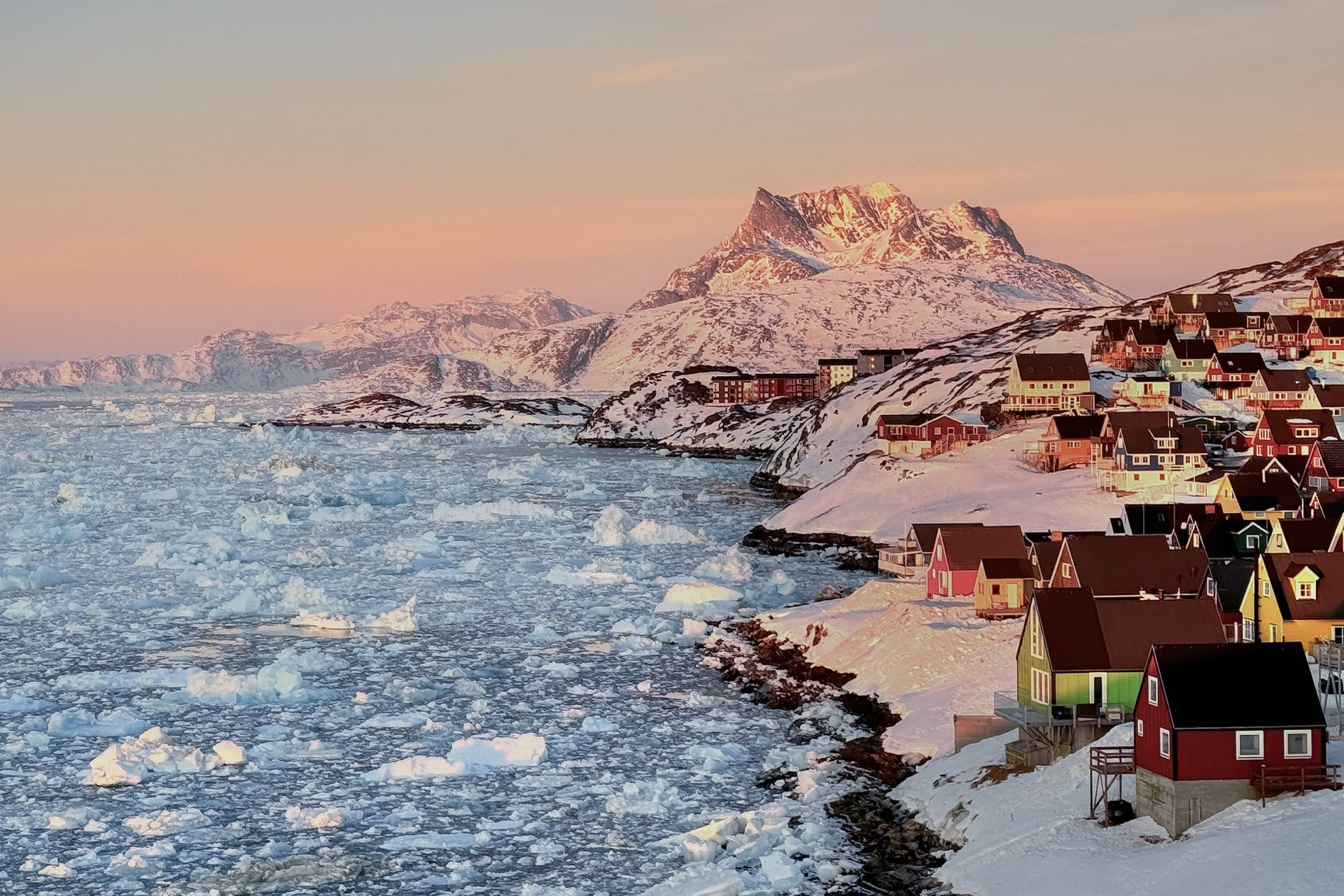
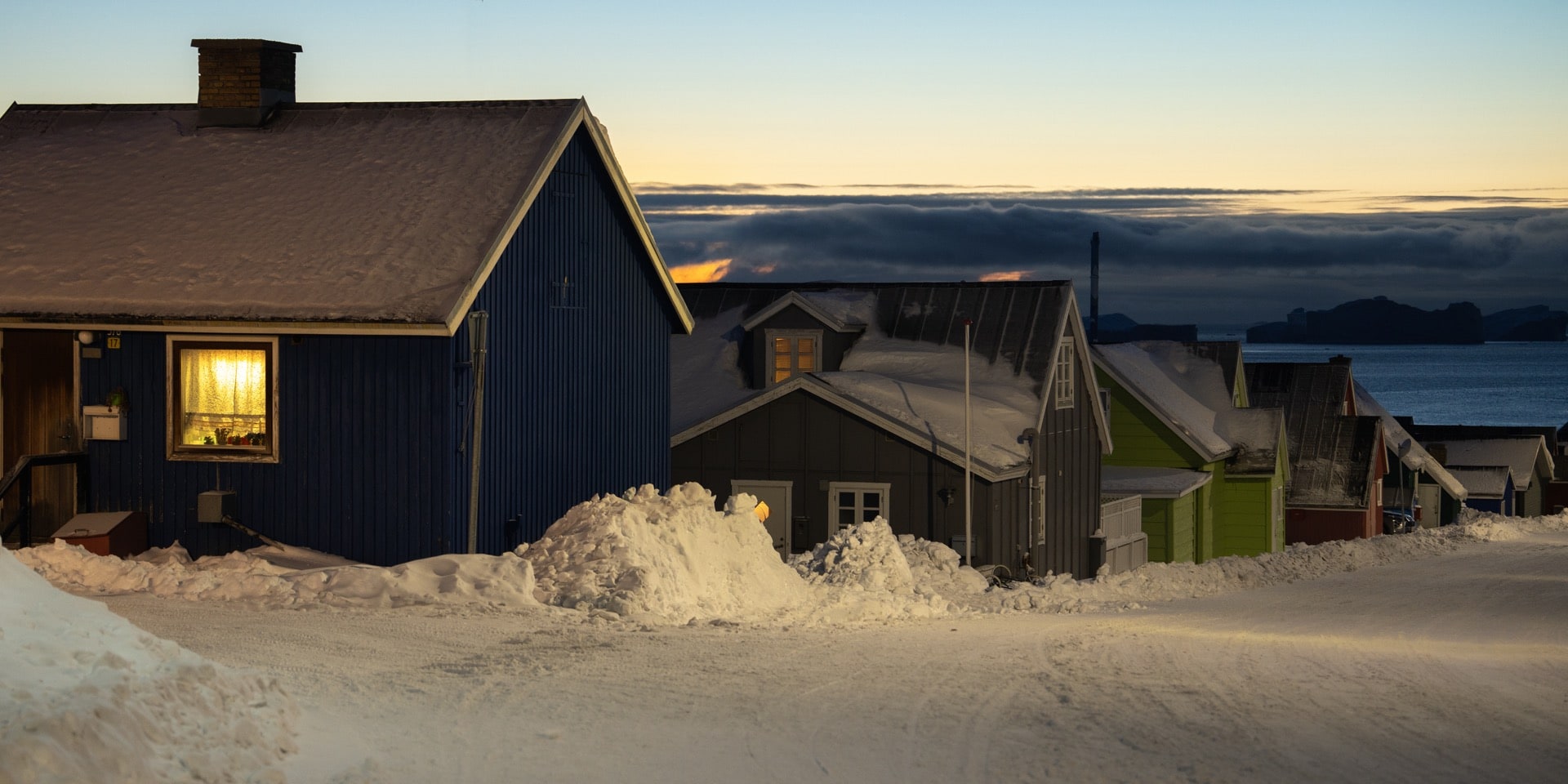
Despite its capital status, Nuuk still feels compact. Colourful houses cluster around the old harbour while modern apartment buildings rise behind them, sometimes giving parts of the city a slightly dystopian feel during the long winter blue hours that linger through the darker months.
Steep mountains surround Nuuk, some nearly 3.8 billion years old, making both the city and its fjords highly photogenic. One of the most recognisable views is Sermitsiaq Mountain, often photographed from the Myggedalen viewpoint.
Until recently, most international flights to Greenland landed at Kangerlussuaq, historically the only airport capable of handling large jets. The runway itself was originally built for a US Air Force base, and travellers would transfer onward by smaller aircraft to reach towns along the west coast.
In 2025, Nuuk opened a new international airport capable of handling direct flights from Copenhagen, Keflavík, and seasonal routes from North America. This development is gradually reshaping travel to Greenland and making access to the capital much easier.
For a deeper look at the city and its surroundings see Nuuk – Greenland’s Capital.
Best Places for Winter Photography in West Greenland
From iceberg-filled fjords to remote Arctic islands, West Greenland offers some of the most striking winter landscapes in the Arctic.
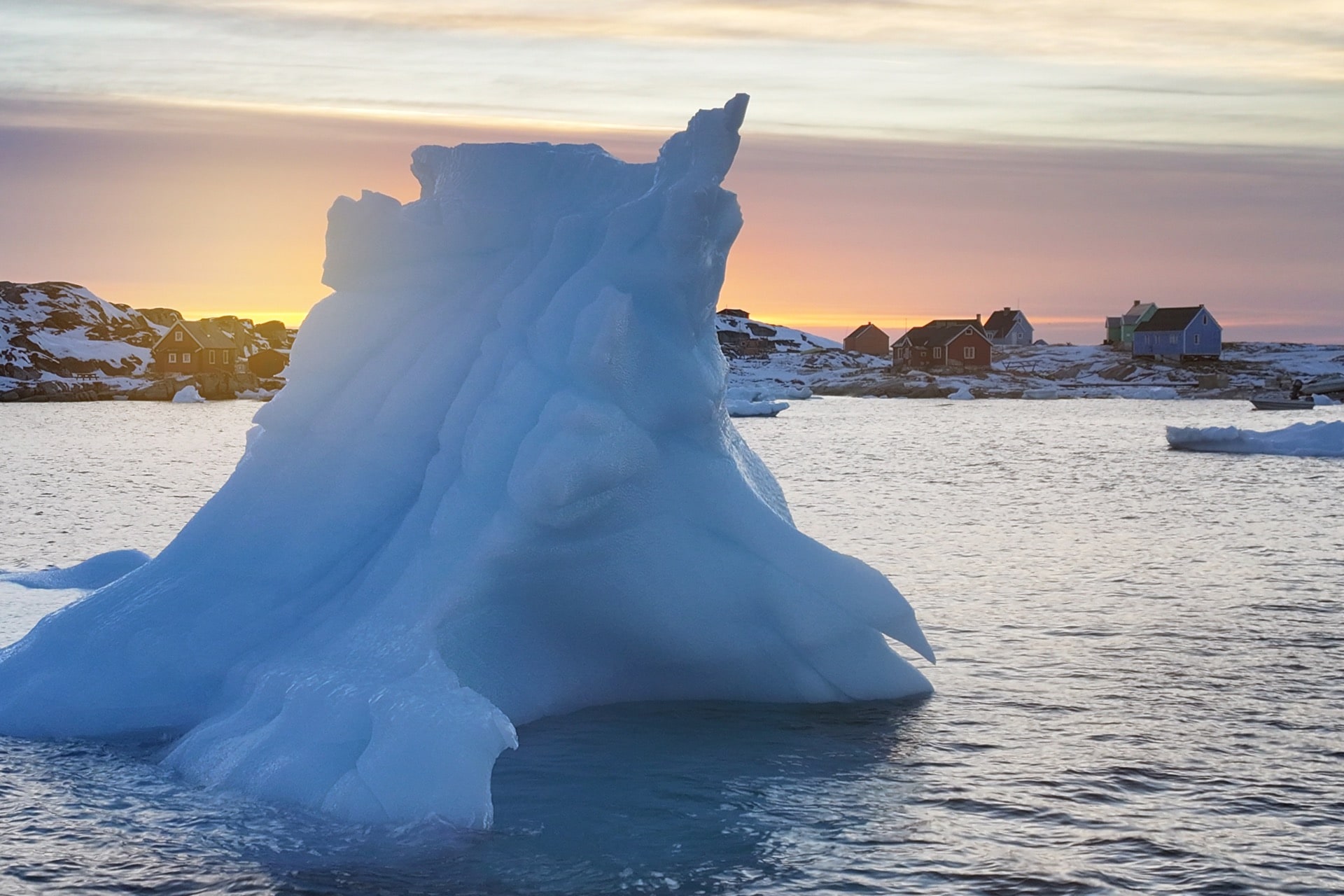
Aside from Nuuk, several locations along the west coast offer exceptional photographic opportunities.
Sisimiut is a traditional Arctic town surrounded by mountains and fjords, offering dramatic scenery and strong connections to Greenlandic culture.
Sisimiut is a traditional Arctic town surrounded by mountains and fjords, offering dramatic scenery and strong connections to Greenlandic culture.
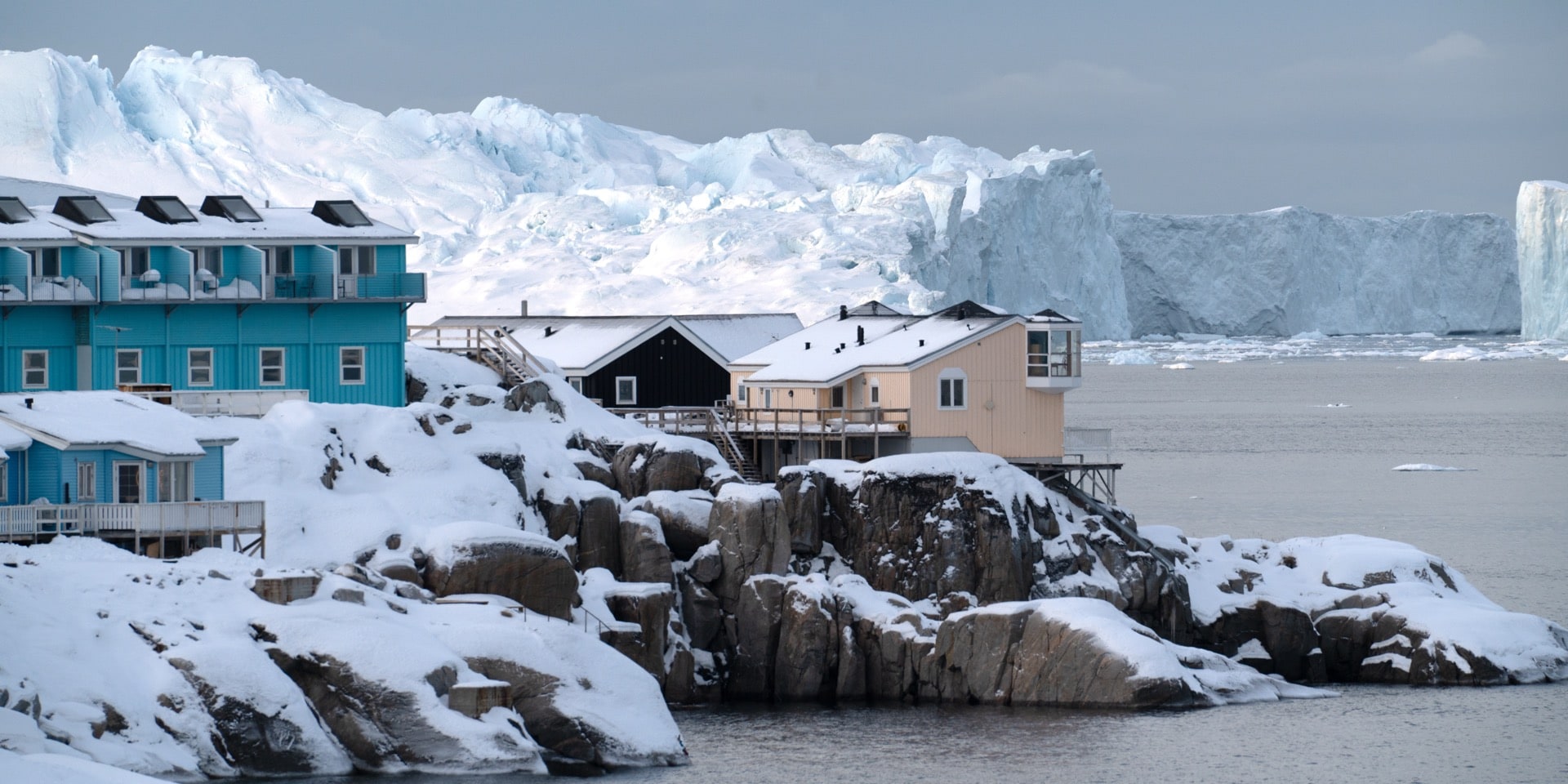
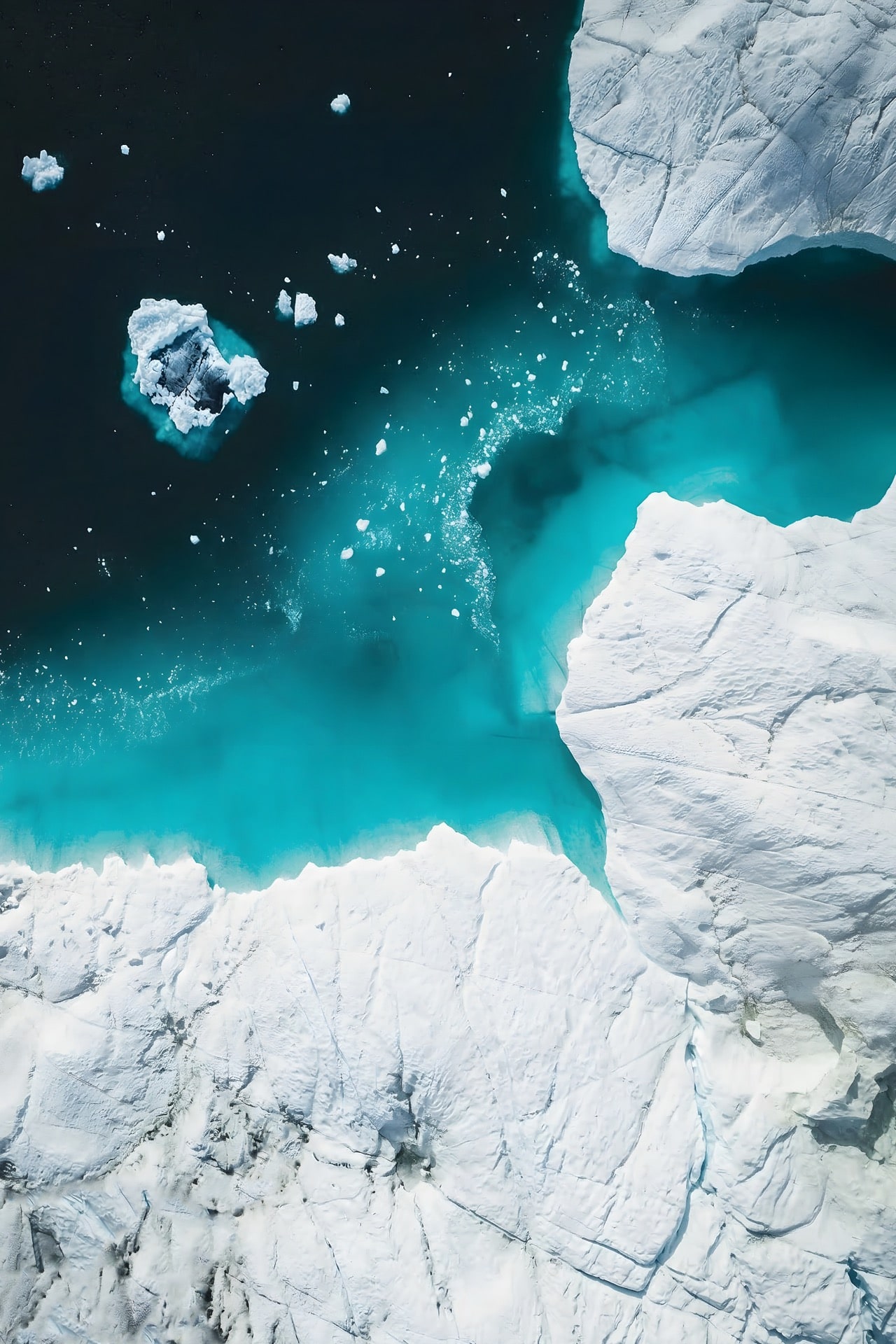
Further north lies Ilulissat, the main tourist hub of West Greenland and home to the spectacular Ilulissat Icefjord. Here, enormous icebergs break away from the Sermeq Kujalleq glacier before drifting slowly into Disko Bay, creating one of the most remarkable natural landscapes anywhere in Greenland.
For travellers planning Ilulissat winter travel, the area offers some of the most accessible iceberg scenery in the Arctic and some of the best photography opportunities in the country. A full guide to the area can be found in Ilulissat & The Icefjord (Kangerlua).
From Ilulissat, early winter conditions may allow travel by fast boat to the small settlement of Oqaatsut, while deeper winter sometimes allows the 24 km route to be travelled by snowmobile across frozen terrain.
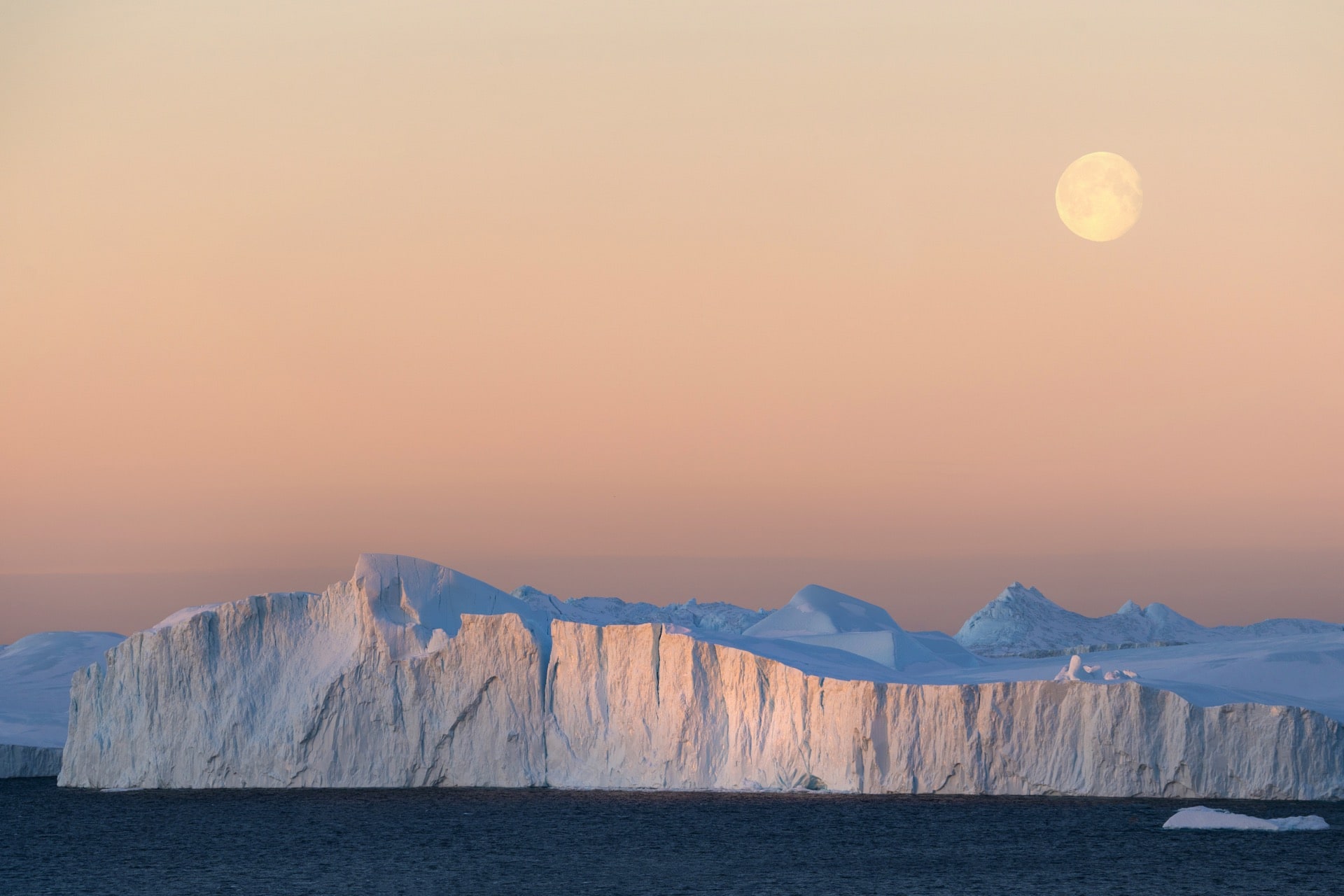
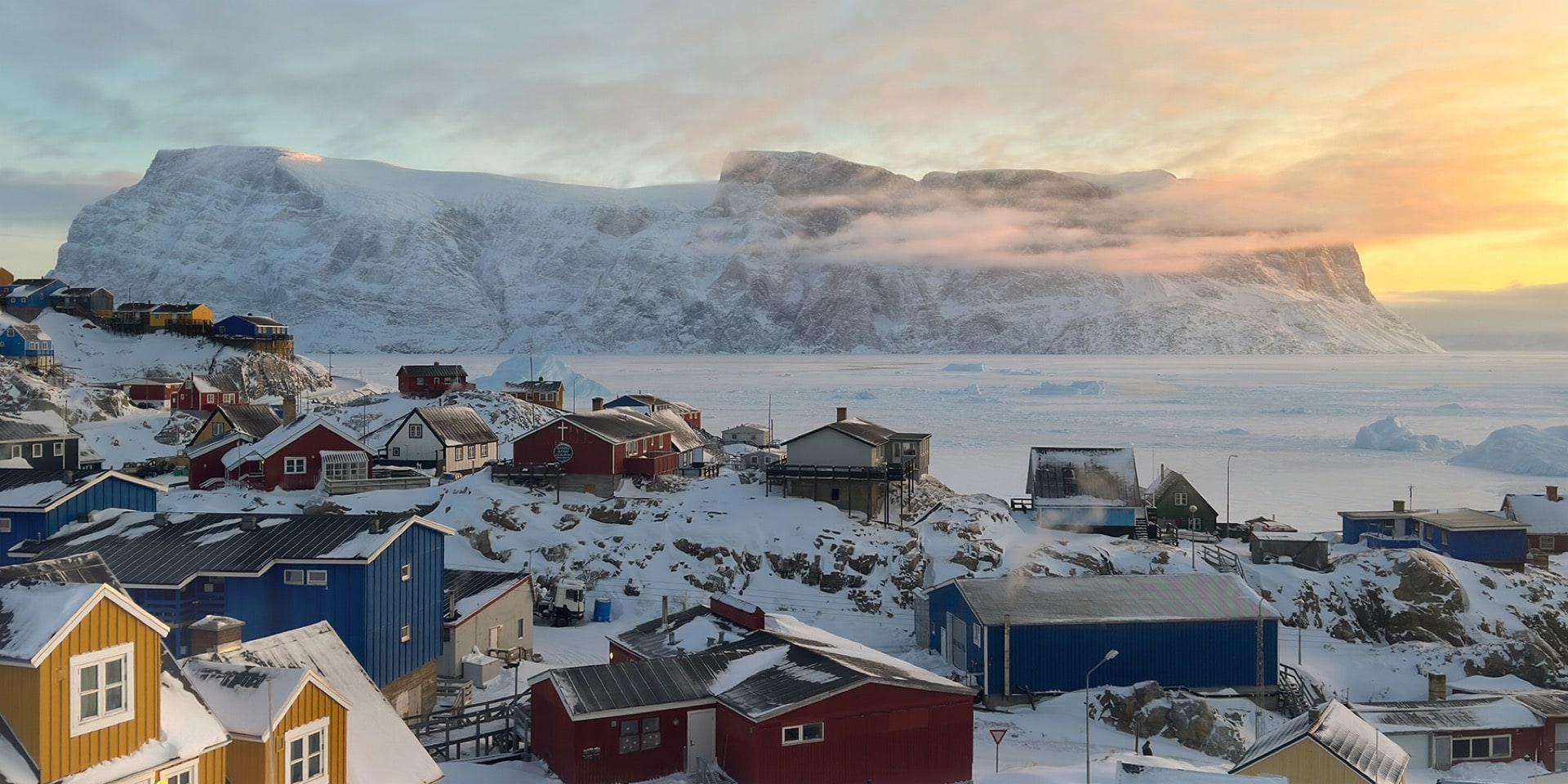
At the far northern end of the West Greenland tourist route lies the island town of Uummannaq, dominated by its distinctive heart-shaped mountain and surrounded by dramatic fjords filled with drifting ice. The setting feels almost surreal in winter, when the low Arctic light and frozen sea create some of the most atmospheric landscapes in Greenland.
You can explore this region in more detail in The Magic of Uummannaq.
Beyond this point, apart from occasional airport accommodation such as the hotel at Qaarsut, places to stay become scarce and in many cases simply unavailable during winter unless you have local contacts.
Getting Around West Greenland in Winter
Travel in Greenland depends heavily on weather, infrastructure, and patience.
Travel within West Greenland is relatively frequent compared to many Arctic regions, with several daily flights operating between Nuuk and Ilulissat.
If weather conditions cooperate, journeys can be smooth and efficient. However, logistics become more complex the further north you travel. Winter storms, remote geography, and limited infrastructure all play a role in making travel unpredictable.
If accommodation can be arranged, it is possible to travel as far north as Upernavik, and even onwards to Qaanaaq, one of the northernmost towns in Greenland. Qaanaaq also serves the nearby Pituffik Space Base, a US installation located roughly 1,500 km from the North Pole and part of the early warning missile defence system.
Flight delays are common, even on routes as far south as Nuuk to Copenhagen, and the likelihood of disruption increases significantly the further north you travel.
For a deeper breakdown of these challenges see How Easy Is It to Travel to Greenland in Winter?
Clothing for Arctic Winter
Layering correctly is essential for staying comfortable and safe in Arctic conditions.
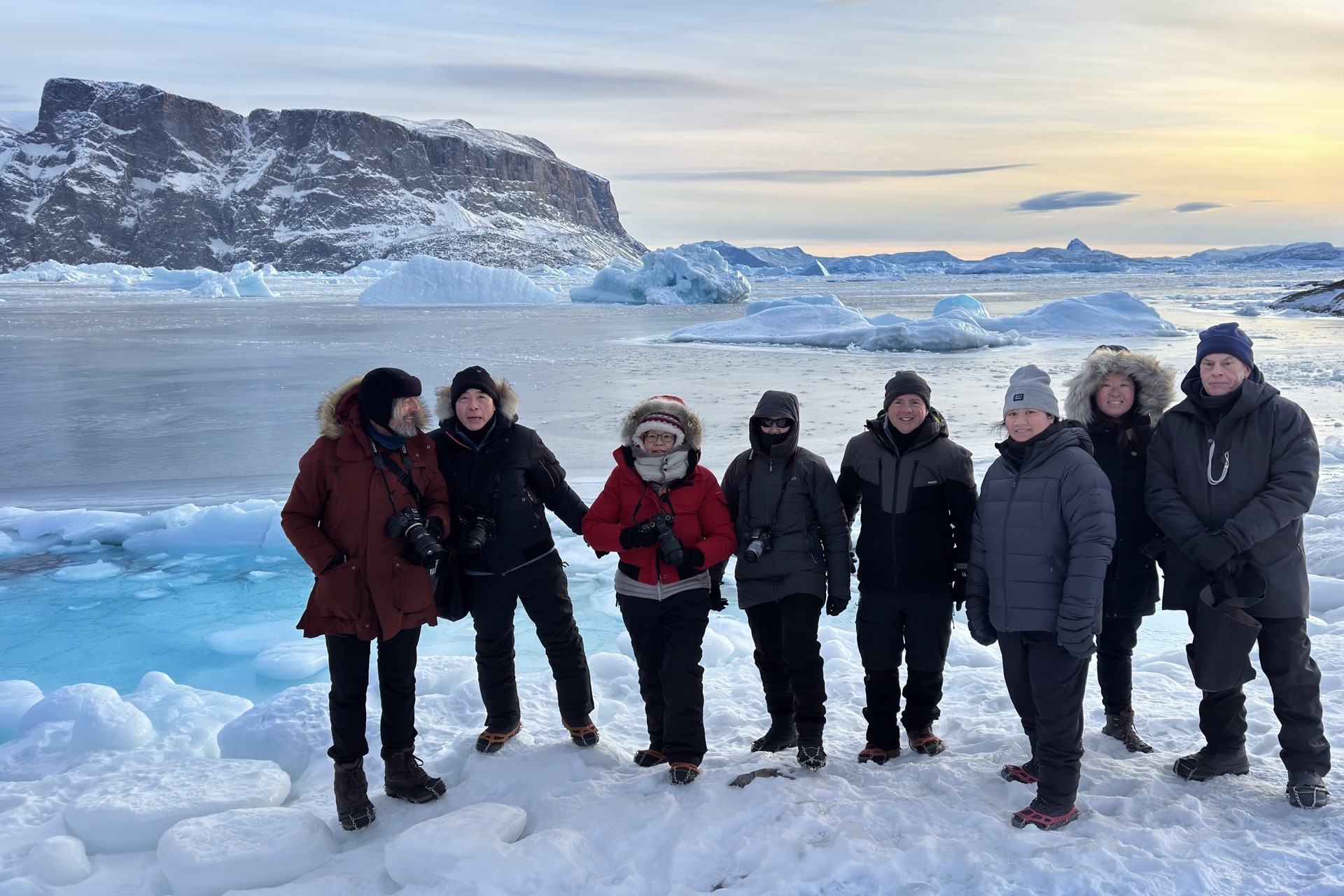
On any Arctic expedition, clothing is not just about comfort, it is essential for safety. The key is layering.
A good system begins with a moisture-wicking base layer, ideally merino wool or a technical synthetic fabric designed to move moisture away from the skin. Over this sits an insulating mid-layer such as fleece or down, trapping warmth while remaining breathable.
The outer shell should be fully windproof and waterproof, as Arctic winds can strip heat from the body surprisingly quickly. Insulated boots, thick wool socks, thermal gloves with protective outer mitts, and a well-fitting hat that covers the ears are all essential, since much of the body’s heat is lost through the extremities. It’s worth spending the extra money on decent brands such as Fjallraven Expedition coats and Sorel snow boots so you don’t feel the cold.
Modern cold-weather accessories can also make a noticeable difference. Battery-heated socks are particularly useful during long periods outdoors, helping maintain circulation in extreme cold. Compact USB-C hand warmers are another simple but effective addition, ideal for warming fingers between photographing, handling equipment, or operating zips and controls.
Combined with a proper layering system, these small additions can make a significant difference in staying warm, dry, and functional in Arctic conditions.
Despite the logistical challenges, winter in West Greenland rewards travellers with some of the most dramatic Arctic scenery and unique photographic opportunities anywhere in the world.
Camera Equipment for Winter Photography in Greenland
You don’t need a huge amount of gear to photograph Greenland successfully, but cold temperatures and long nights do mean that a few pieces of equipment become particularly useful.
Essential Camera Equipment
Camera body (a spare body can be useful in very cold conditions where equipment failure is possible)
Wide-angle lens (a fast lens is ideal for northern lights photography, though f/4 lenses can still work well on modern cameras with good high ISO performance)
Longer focal lengths from 24-400mm and longer if you can transport bulkier lenses.
Sturdy tripod
Spare camera batteries (cold temperatures significantly reduce battery life)
Head torch
Useful Additional Equipment
Crampons are an absolute must, though you won’t need full blown mountaineering ones unless intending glacier hikes. Micro crampons will suffice such as these from Salewa or Nortec.
Hiking poles with snow nets, especially if looking to do some of the trails around Ilulissat, though snowshoes maybe required depending on the depth of snowfall.

Cold Weather Camera Tips
Photographing in Arctic winter conditions presents a few additional challenges, particularly when temperatures fall well below freezing. With a little preparation, most issues are easy to manage.
Keep spare batteries warm
Cold temperatures reduce battery performance significantly. Carry spare batteries in an inside pocket close to your body and rotate them when needed.
Avoid condensation when returning indoors
When moving from the cold outdoors into a warm building, place your camera in a sealed bag before going inside. This allows condensation to form on the bag rather than inside the camera or lens.
Use manual focus for night photography
Autofocus often struggles in darkness when photographing the northern lights or night landscapes. Pre-focusing on a distant object or bright star and switching to manual focus can make shooting much easier.
Protect your tripod and controls
Metal tripods and camera bodies can become extremely cold. Gloves with good finger control help when adjusting settings, and foam grips on tripod legs make handling them much more comfortable.
Take your time with equipment
Cold conditions can make controls stiff and batteries drain faster, so working slowly and deliberately helps avoid mistakes when setting up shots in the dark.
Protect your fingers from the elements
Take time out form touching camera controls and tripod adjustments to rewarm your hands, light frostbite is common and the tingly feeling disappears within a few weeks after returning to warmer climates, but more severe frost bite can last a lifetime.
Best Time to Visit West Greenland in Winter
Winter in West Greenland generally runs from November through April, though the experience changes significantly across these months.
November – December
Early winter brings long nights and the return of the northern lights season. Snow begins to settle across the landscape, sea ice is still scarce usually at this time of year, by December, the northern regions are in Polar Night.
January – February
These are often the coldest months, but they can also bring the most stable winter conditions. The sun remains low on the horizon in the south, though norther regions are still in polar night through some of January. When the sun is back, it produces beautiful Arctic light and long blue hours that photographers love.
March – April
Late winter often provides a balance of longer daylight hours and continued northern lights activity until early April. As the fjords freeze later and later, March can be a good month for being able to get a guide to take you out on the sea ice.
For many photographers, February and March are often considered the sweet spot, combining reliable snow cover, good northern lights potential, and improving daylight.